

Key Points:
- Microsoft launched its next-generation Surface Pro and Surface Laptop, powered by Snapdragon X2.
- The advanced silicon upgrades deliver a massive 53 percent boost in graphics processing performance.
- Driven by a global memory shortage, the new devices cost up to $600 more than their predecessors.
- The computers deliver historic battery life, reaching up to 20 hours on the smaller Surface Laptop.
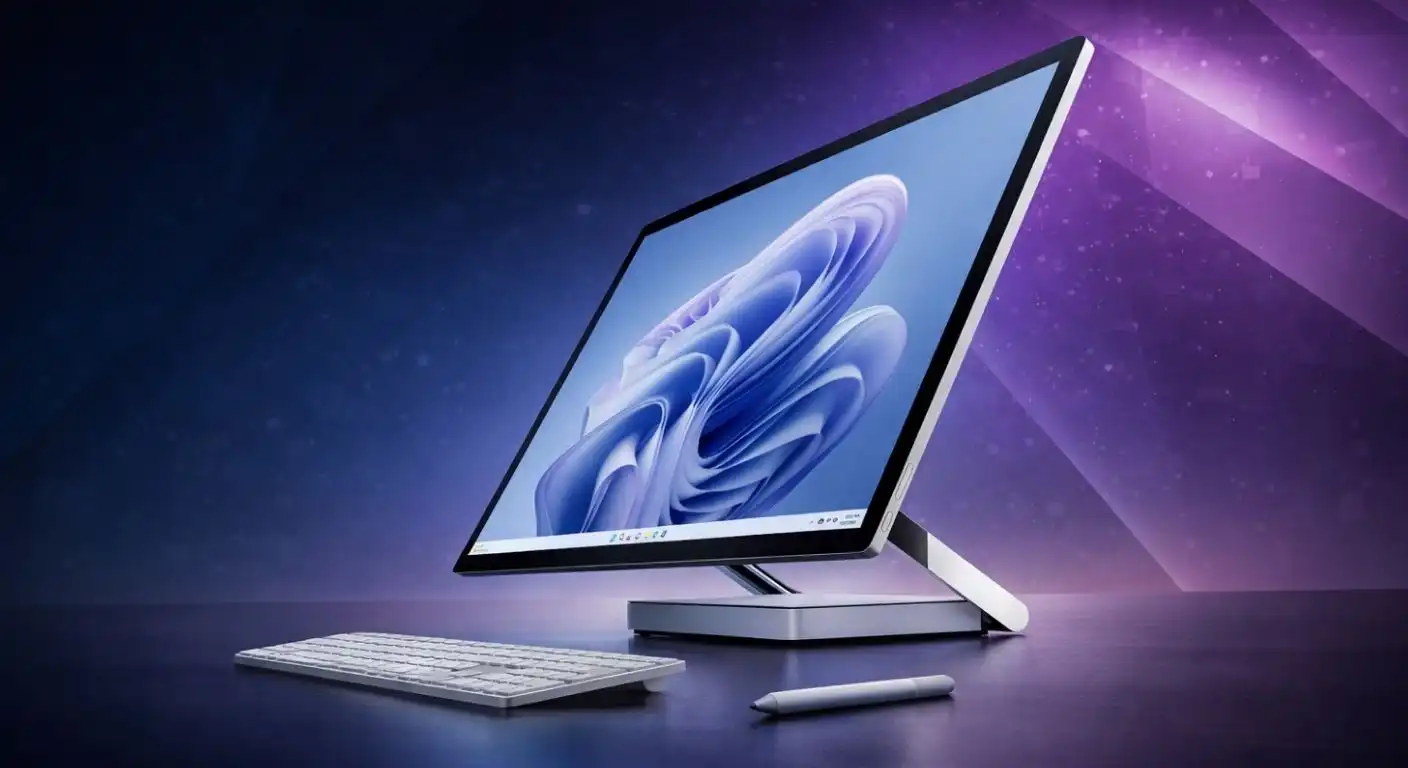
Microsoft Unveils Next-Gen models of its popular Surface Pro and Surface Laptop computers, incorporating Qualcomm’s brand new Snapdragon X2 processors to deliver a massive performance and graphics leap. The newly updated PC hardware lineup promises to accelerate artificial intelligence tasks and extend battery life to industry-leading levels. However, the advanced silicon upgrades arrive alongside significant, eye-watering price hikes that make the new machines considerably more expensive than their predecessors. This premium pricing strategy reflects a wider, industry-wide challenge, as hardware manufacturers grapple with rising component costs.
The pricing structure for the new models shows a substantial shift into the ultra-premium segment. The new 13-inch Surface Pro 12 starts at a steep $1,499 for the base configuration, representing a massive $500 increase over the entry-level price of the Surface Pro in previous years. Meanwhile, the redesigned 13.8-inch Surface Laptop is even more expensive, starting at $1,599, which represents a whopping $600 increase over its predecessor. This steep pricing trend extends across both portfolios, ensuring that every computer in the new lineup starts comfortably above the $1,000 threshold.
Industry analysts attribute these sharp price increases directly to a persistent, global memory and component shortage that is rewriting the economics of personal computer manufacturing. The massive, ongoing build-out of artificial intelligence data centers has consumed a substantial portion of the world’s supply of high-bandwidth memory chips and dynamic random-access memory (DRAM). This intense competition has caused prices for RAM and solid-state storage to skyrocket, forcing hardware giants like Dell, Lenovo, HP, and Microsoft to raise retail pricing and restrict the configurations available to consumers.
Despite the higher prices, the new hardware delivers highly impressive performance upgrades. By equipping both the Surface Pro 12 and the new Surface Laptop with Qualcomm’s 10-core Snapdragon X2 Plus and 12-core Snapdragon X2 Elite processors, the devices represent a massive leap over the first-generation Snapdragon X chips. Microsoft claims that the new Snapdragon X2 architecture delivers up to 53% faster graphics processing, based on benchmark testing, giving creative professionals and software developers the necessary processing power to run advanced design tools natively.
The custom ARM-based processors also deliver highly efficient power management, pushing battery life to historic heights. The 13-inch Surface Pro 12 boasts up to 11.5 hours of active web usage, representing a significant 15% battery life improvement over the older Surface Pro 11. More impressively, the smaller 13.8-inch Surface Laptop can achieve up to 20 hours of local video playback on a single charge, while the larger 15-inch model reaches up to 19 hours. This exceptional endurance allows on-the-go professionals to navigate a full, demanding workday without carrying bulky charging accessories.
To match this computing power, the companies have integrated premium display technology across both form factors. The Surface Pro 12 offers an optional 13-inch OLED touchscreen display that outputs a sharp 2880 by 1920 pixels with a smooth 120Hz refresh rate. Crucially, engineering teams successfully resolved previous consumer complaints regarding screen graininess on older OLED models, delivering a highly refined panel that reaches up to 900 nits of peak brightness in high dynamic range (HDR) mode. For users prioritizing budget over screen technology, a standard liquid crystal display (LCD) option also returns to the lineup.
The new clamshell Surface Laptops also debut several notable, tactile upgrades. The computers feature a highly customizable haptic touchpad that delivers subtle “rumble” feedback across Windows 11 and compatible applications like Affinity, which comes pre-loaded on the devices. The 15-inch laptop also features a sharper 262 pixels-per-inch (PPI) display, up from 201 PPI previously. To appeal to style-conscious buyers, the company introduced a fresh “Jade” green colorway for the laptop, complementing the existing Platinum, Black, and Dune options, while utilizing 100% recycled aluminum in the chassis construction.
The launch of the newest Surface Pro and Surface Laptop models marks a permanent turning page for Windows on ARM. By marrying the massive processing gains of Qualcomm’s Snapdragon X2 silicon with high-end haptics, improved OLED screens, and robust battery life, the tech giant has built a highly capable and desirable premium PC ecosystem. While the global memory crunch has forced pricing to painful new heights, the sheer performance of these realities will likely establish a new baseline for premium computing. As the commercial models prepare to ship to enterprise buyers next month, these devices prove that the future of personal computing belongs to highly efficient, AI-optimized hardware.






