Key Points:
- Major Chinese EV manufacturers are pivoting away from economy models to launch luxury, feature-rich SUVs priced significantly higher than their predecessors.
- A rapid surge in new model releases has led to a potential inventory glut, as the supply of premium electric SUVs exceeds current buyer appetite.
- Domestic brands are fighting for dominance in the luxury sector, placing immense pressure on both pricing strategies and brand loyalty.
- While premium vehicles offer higher potential margins, the cost of R&D and intense discounting to move inventory may erode these projected gains.
China’s electric vehicle industry is shifting gears. Manufacturers like BYD, Xpeng, and several other domestic heavyweights are aggressively moving their product lineups upmarket. While these companies previously defined themselves by budget-friendly, mass-market sedans, they are now pouring billions of dollars into high-end, luxury SUVs to compete with established Western brands like BMW, Mercedes-Benz, and Tesla. This pivot represents a major evolution in the Chinese auto sector, which now seeks to capture higher profit margins from wealthier consumers.
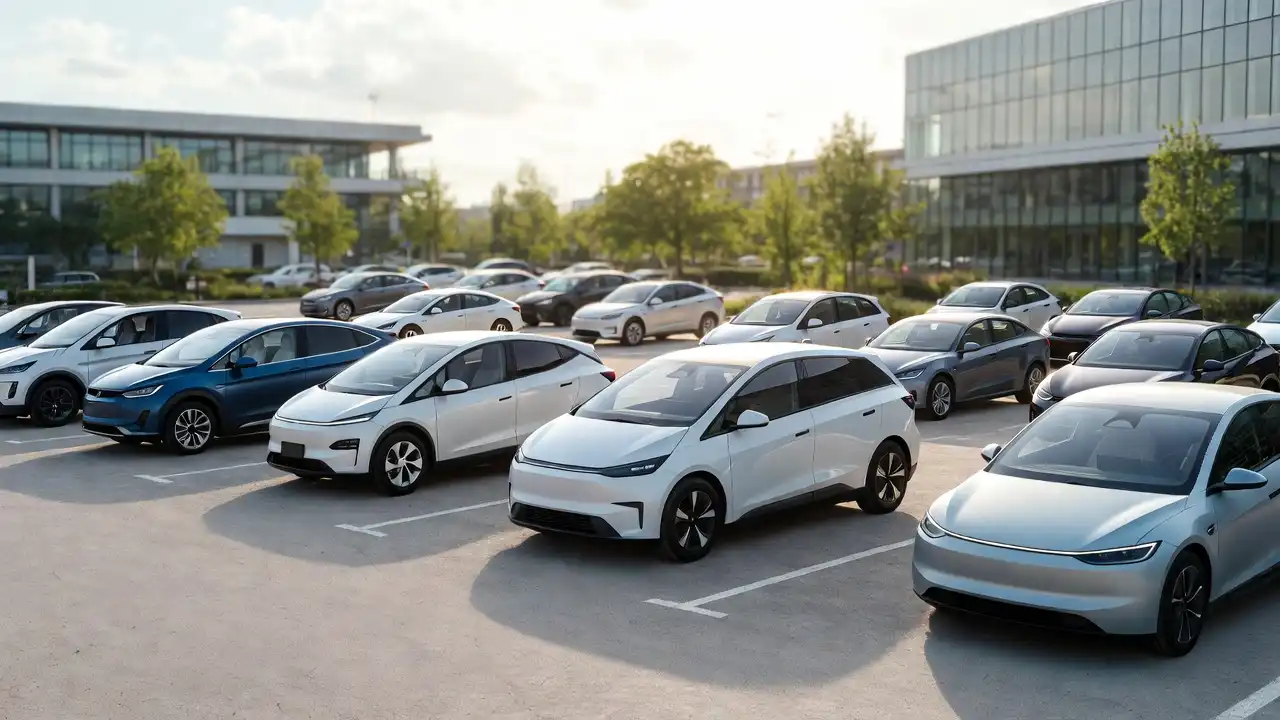
However, this strategic transition brings a significant cloud of uncertainty. Industry analysts warn that the rapid expansion into the luxury SUV segment is creating a dangerous glut in the market. As dozens of new models launch within the same price bracket, the supply of high-end electric vehicles is quickly outpacing consumer demand. This saturation threatens to trigger a brutal price war, forcing manufacturers to slash margins just as they attempt to elevate their brand prestige.
The shift toward SUVs is not a coincidence. Modern car buyers increasingly prioritize size, comfort, and advanced technology over pure utility. Chinese firms are responding by packing their new SUV lines with high-end features—such as ultra-long-range batteries, advanced autonomous driving suites, and smart cabin interfaces—that rival or exceed those found in imported luxury vehicles. These companies aim to shed the “budget” image and establish themselves as top-tier automotive leaders on the global stage.
Despite this ambition, the numbers tell a cautious story. In the first half of the year, production capacity for premium electric SUVs in China grew by roughly 25%, while domestic sales for these vehicles only increased by about 12%. This widening gap between production and demand highlights a cooling period in the market. Many consumers, facing broader economic headwinds, are becoming more selective with their purchases, leading to longer sales cycles for expensive vehicles.
To cope with this pressure, many manufacturers are resorting to aggressive promotional tactics. Some brands have already introduced discounts of up to 8% or 10% on flagship models just months after their release to prevent inventory buildup. This cycle of heavy discounting undermines the very goal of “going upmarket,” as it conditions customers to wait for price drops rather than paying the full sticker price. It remains a difficult balancing act for executives who need volume to satisfy investors but want premium pricing to maintain brand status.
The global expansion efforts of these companies further complicate the situation. While the domestic market struggles with a glut, many Chinese manufacturers are looking to Europe and Southeast Asia to offload their excess inventory. However, these international markets are also becoming increasingly crowded. With regional regulators implementing higher tariffs and stricter import standards, the path to international profitability is proving much harder than many analysts initially predicted.
Industry consolidation appears inevitable. Only the companies with the deepest cash reserves and the most efficient manufacturing processes will likely survive the upcoming shakeout. Smaller players, which jumped into the SUV craze with less capital and weaker technology, may find themselves squeezed out of the market entirely. Investors are watching closely to see which brands can effectively differentiate their products in a sea of look-alike electric SUVs.
Ultimately, the Chinese EV sector stands at a crossroads. The move toward high-end vehicles is a logical step for long-term growth, but the speed of this transition has outpaced market reality. As the industry faces a potential glut, the coming months will likely see a wave of strategic pivots. Companies that prioritize sustainable growth and product innovation over simple volume expansion will have the best chance of navigating these turbulent waters and emerging as true global luxury contenders.