Key Points:
- A massive rotation out of high-flying technology stocks wiped out billions in paper wealth, causing the Nasdaq to experience its sharpest intraday decline in months.
- Despite positive progress on a major Iran deal which typically helps stabilize global energy prices, traders largely ignored the news to focus on rebalancing their tech-heavy portfolios.
- Market analysts suggest that many tech giants were trading at over 35 times their forward earnings, prompting a necessary, albeit painful, adjustment to more sustainable levels.
- Smart money is rapidly moving capital away from speculative AI ventures and into traditional sectors like utilities and consumer staples to weather the current storm.
Wall Street experienced a significant wake-up call this week as a aggressive wave of selling washed over the technology sector. Investors, who spent the better part of the year driving high-growth stocks to record peaks, suddenly changed their tune. This broad retreat dragged the major indices downward, proving that even the most optimistic market trends face gravity when valuation concerns take center stage. While geopolitical news offered potential relief on the energy front, market participants remained laser-focused on locking in profits and hedging against potential volatility.
The sudden drop illustrates the delicate balance between innovation-driven growth and fundamental reality. Throughout the last two quarters, AI enthusiasm acted as a massive tailwind, pushing valuations to historic heights. However, when a few major semiconductor players failed to exceed aggressive analyst expectations, the market reaction was instantaneous. Algorithmic trading programs triggered sell orders across the sector, causing a domino effect that left few mega-cap stocks unscathed. This cooling period suggests that investors are no longer willing to pay any price for growth, regardless of the sector’s long-term potential.
Rising interest rates continue to loom over the trading floor like a dark cloud. With rates currently hovering around 5.25% to 5.5%, the cost of borrowing for massive infrastructure projects has become a significant burden. When money is expensive, investors demand more immediate returns from the companies they back. This environment is particularly hostile to tech companies that rely on future earnings to justify their massive market caps. As a result, many institutional portfolios are seeing a dramatic shift, with roughly $45 billion flowing out of tech and into safer, cash-generating assets in just a few trading sessions.
The disconnect between geopolitical developments and market movement remains a key theme of this cycle. Typically, a breakthrough in an Iran-related agreement would serve as a major catalyst for a market rally, as it would likely lead to increased oil supply and lower inflation pressures. However, traders are currently more concerned with the internal health of the U.S. stock market than with international diplomacy. This behavior highlights a rare moment where the domestic appetite for profit-taking is far stronger than the desire for geopolitical stability.
Financial experts suggest that this correction is not necessarily a sign of a looming recession, but rather a healthy phase of “market digestion.” After such a rapid ascent, stocks often become overextended. A pullback of 3% to 5% across major indices often serves to bring valuations back into line with historical averages. Furthermore, many companies remain profitable and are still investing heavily in long-term research, even if their share prices have taken a hit in the short term.
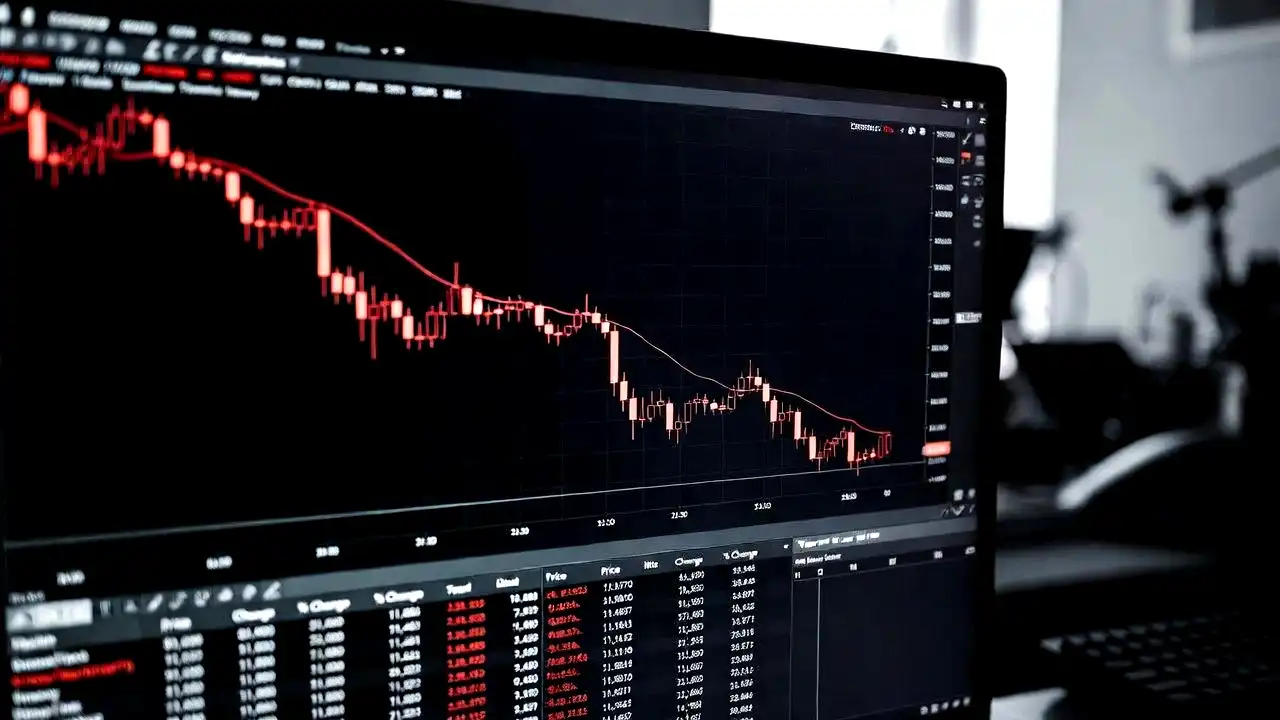
For the average individual investor, this volatility creates both risk and opportunity. While the immediate sight of red numbers on a portfolio screen is never pleasant, it provides a chance to buy high-quality assets at more reasonable prices. Market history shows that those who maintain a long-term perspective and avoid panic selling during these tech-sector corrections are the ones who ultimately build the most wealth. Staying disciplined, maintaining a diversified strategy, and keeping a close eye on interest rate policy will be the best tools for navigating the coming months.
Looking ahead, all eyes are on upcoming quarterly earnings reports. If corporate leaders can demonstrate that they are managing costs effectively while maintaining margins despite higher rates, investor confidence could return quickly. However, if the data suggests that the tech-driven boom is reaching a plateau, the market may face a much longer and more complex recovery. The current environment serves as a stern reminder that the stock market is never a straight line, and even the strongest sectors must eventually pause to regroup.