Key Points:
- Gas flaring rose by roughly 3% in the last calendar year, with total volumes reaching over 140 billion cubic meters.
- The surge effectively reverses the modest gains made during the previous three years, highlighting the difficulty of balancing oil output with climate responsibility.
- Wasted gas could have provided nearly $10 billion in value if captured and brought to market, showcasing a massive inefficiency in global energy production.
- A small number of major oil-producing nations account for the vast majority of flaring activity, suggesting that targeted interventions in specific regions could yield substantial results.
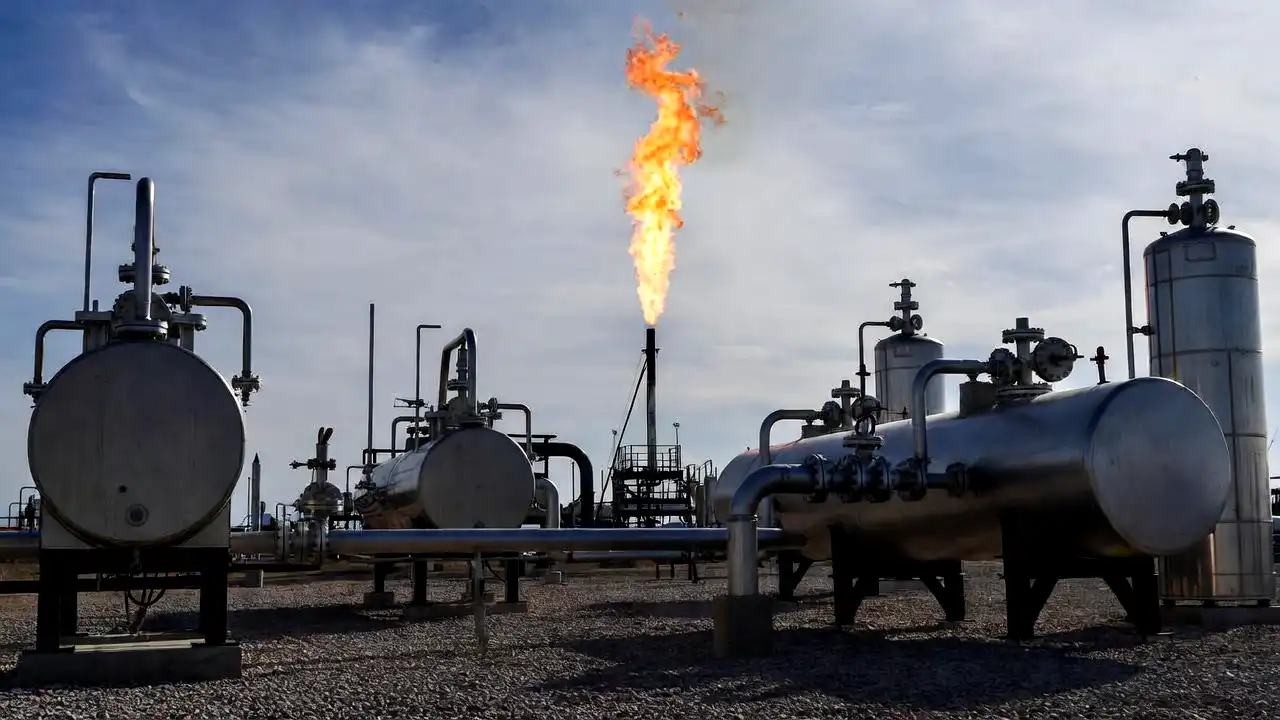
The energy industry faces a significant environmental setback as new data reveals a troubling uptick in gas flaring. Throughout the past year, fossil fuel producers around the globe released massive quantities of methane and carbon dioxide into the atmosphere by burning off unwanted natural gas during oil extraction. This practice, known as flaring, not only wastes a valuable energy resource but also contributes heavily to global warming. Despite widespread commitments to reach net-zero emissions, the progress achieved in previous years has stalled, leaving climate advocates and industry regulators concerned about the path forward.
The environmental cost of this surge is staggering. When companies flare gas, they release millions of tons of methane—a greenhouse gas that is significantly more potent at trapping heat than carbon dioxide over short time frames. By failing to invest in the infrastructure needed to capture and transport this gas, producers are effectively pumping the equivalent of millions of additional cars onto the road. The failure to curb these emissions complicates the climate goals of major corporations, many of which promised to eliminate routine flaring by 2030.
Economic inefficiency sits at the heart of this issue. In many developing regions, producers lack the pipeline capacity to move extracted gas to market, leading them to view it as a waste product rather than a commodity. However, at a time when global energy markets remain volatile, this waste is increasingly difficult to justify. Capturing that gas would not only satisfy environmental regulations but could also provide a consistent supply of electricity to energy-starved regions, creating a win-win scenario for both the climate and local economies.
Policy experts argue that the lack of accountability is a primary driver of the problem. Many governments do not impose strict enough penalties on companies that fail to modernize their operations. Without clear financial incentives to invest in gas-capture technology, firms often prioritize short-term profit margins over the long-term health of the planet. As energy demand remains high, producers appear to be prioritizing high-volume oil output, treating the associated gas as an inconvenient byproduct rather than a resource worth preserving.
Technological solutions already exist to combat this problem. Methods such as gas-to-power projects and modular processing units allow operators to turn flare gas into usable electricity on-site. However, these projects require upfront capital. With the industry currently focused on maximizing cash flow, many firms are hesitant to authorize the $1 billion or more required to overhaul aging infrastructure. This hesitation creates a cycle where short-term financial targets override the necessity of long-term sustainable infrastructure.
As we look toward the future, pressure is mounting for stronger international cooperation. Several international bodies are currently discussing frameworks that would require transparency in flaring reporting. By forcing companies to disclose their exact flaring numbers, stakeholders hope to shame laggards into action. Investors are also taking notice, with large pension funds and asset managers increasingly demanding that energy companies show verifiable progress in lowering their methane emissions as a condition for continued funding.
If the industry continues to ignore these trends, the consequences could be severe. Regulatory bodies are already threatening to impose stricter permit requirements on producers that fail to meet baseline environmental standards. The era of cheap and easy oil extraction is evolving, and the industry’s ability to manage its environmental footprint will soon determine its survival. While the latest data presents a grim reality, it also offers a clear roadmap: investing in infrastructure, enforcing penalties for waste, and prioritizing sustainability are the only ways to align energy production with the urgent needs of the climate.