Key Points:
- Alibaba filed a lawsuit in a federal court in San Jose, California, arguing that the Department of Defense’s designation is arbitrary, lacks a factual basis, and violates constitutional due process.
- The Pentagon’s updated list, released earlier this month, includes 188 entities, such as Baidu, BYD, and Nio, claiming these firms support China’s military-civil fusion strategy.
- The designation triggers restrictions that bar the U.S. military from entering into new contracts with listed firms starting June 30, and limits the company’s ability to retain certain legal and lobbying services in the U.S.
- Alibaba maintains that its products and services are strictly focused on retail, logistics, and cloud computing, emphasizing that it has no meaningful ties to the People’s Liberation Army or defense intelligence.
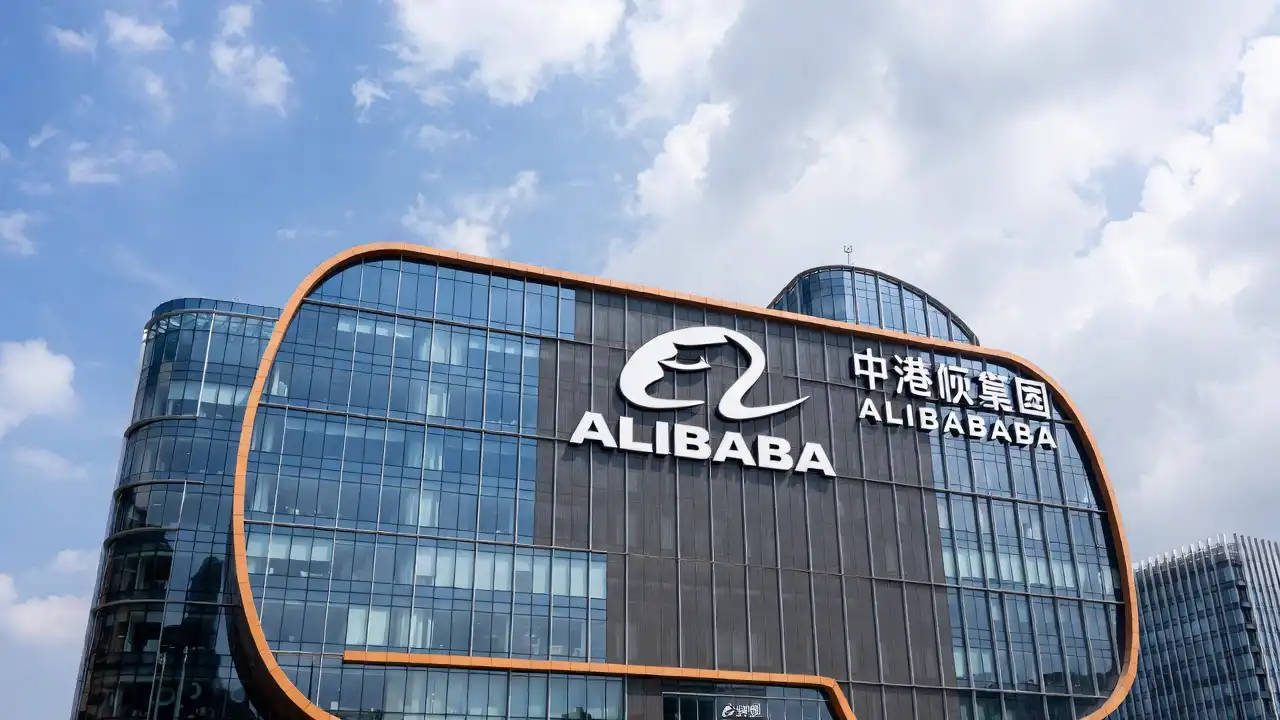
Alibaba Group has launched a significant legal offensive against the United States government, filing a federal lawsuit to contest its recent inclusion on a Pentagon blacklist. The Chinese e-commerce titan is demanding removal from the list, which labels the company as a “Chinese military company.” This move marks a major escalation in the ongoing technological and trade tensions between Washington and Beijing, as the tech giant fights to clear its reputation and protect its international business operations.
The controversy began when the Department of Defense updated its so-called 1260H list, casting a wide net over various sectors including artificial intelligence, biotechnology, and automotive technology. For Alibaba, this label acts as a severe red flag, potentially complicating its relationships with global investors and American partners. In its court filing, the company pointed out that its shareholder base includes some of the world’s most prominent American financial institutions, such as BlackRock, JPMorgan, and Citigroup, making the military-linked label particularly damaging to its standing in Western capital markets.
Alibaba’s legal team asserts that the government failed to provide substantial evidence or clear explanations for why the company was added to the list. The company previously engaged in discussions with defense officials for months, hoping to resolve the matter quietly, especially after a brief, unexplained appearance on the list earlier this year. With the June 8 publication confirming its spot, the company decided that formal litigation was the only remaining path to rectify what it calls a misrepresentation of its business activities.
The implications of this blacklist extend beyond direct military contracts. While the 1260H designation does not trigger immediate, sweeping economic sanctions, it creates a “compliance risk” for virtually any American company doing business with Alibaba’s cloud or digital divisions. Major corporations are now forced to evaluate their partnerships with the Chinese giant to ensure they do not run afoul of U.S. policy, a reality that Alibaba argues unfairly targets private-sector firms for regulatory requirements that are standard for all companies operating within China.
This high-stakes legal battle highlights the broader “tech war” between the two global powers. As both nations seek to protect their interests, Chinese firms often find themselves caught in the middle of national security policies that emphasize “military-civil fusion.” Alibaba’s argument hinges on the fact that compliance with local Chinese technology regulations should not be conflated with providing support for military weapons development or defense intelligence efforts.
As the case moves forward, the tech industry will be watching closely to see if the U.S. courts demand that the Pentagon provide concrete proof for its classifications. Past cases have shown that removal from such lists is possible, but the process is often lengthy and politically charged. For now, Alibaba is positioning itself as a strictly commercial entity, hoping to persuade the judiciary that it is a retail and cloud services provider, not a cog in a military-industrial machine.