Key Points:
- A Chinese worker died after being struck by a truck at the Szeged construction site, marking the second fatal accident at the facility within four months.
- Police have initiated formal criminal proceedings to investigate the circumstances surrounding this latest workplace fatality.
- The incident follows ongoing allegations of labor rights violations, including excessive working hours and unsafe conditions for migrant workers.
- BYD has expressed shock over the accident and confirmed it is cooperating fully with local authorities and the project’s contractors.
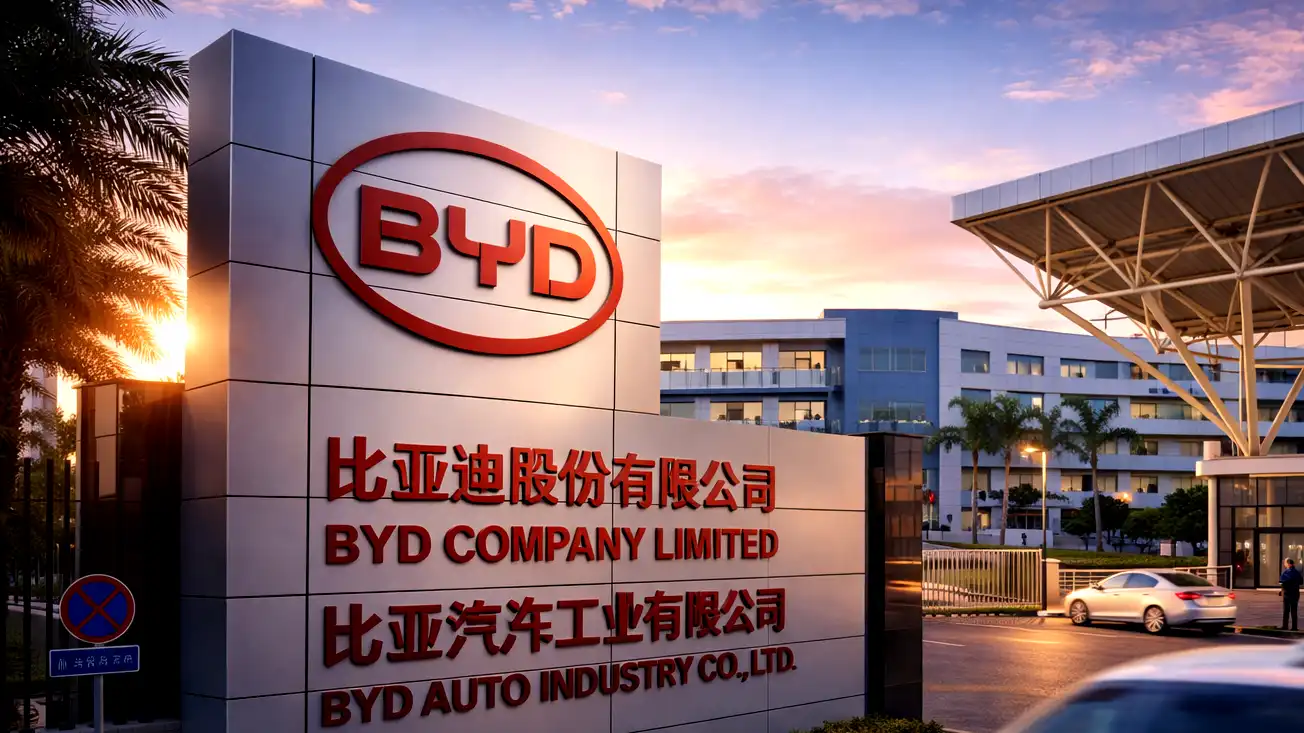
The construction site of BYD’s flagship electric vehicle factory in Szeged, Hungary, faces intense scrutiny following a second worker fatality this year. Authorities have launched a criminal investigation after a Chinese national died in a workplace accident involving heavy machinery. This latest tragedy adds to a growing list of safety and labor concerns that continue to shadow one of the most ambitious automotive projects in the European Union.
The fatal incident occurred when a truck, moving across the busy construction zone, struck a worker who had stepped between the vehicle and a loader. Despite the rapid arrival of ambulance crews and an air rescue team, the worker could not be saved. Police investigators are now looking into the event as a fatal road accident, marking another dark chapter for the site where construction has been characterized by high-pressure timelines.
This death is not an isolated event. Earlier in February, another worker lost his life during a crane and loading operation, prompting an immediate investigation into negligent endangerment. Additionally, in May, another worker suffered severe injuries after being run over by a truck. These repeated accidents have drawn significant attention from labor rights groups, who argue that the rapid pace of development at the plant has compromised essential safety standards.
Beyond physical accidents, the Szeged project has faced mounting criticism over the treatment of its workforce. Reports from labor investigators have highlighted a pattern of systematic abuses, including grueling schedules that often bypass legal limits and coercive recruitment practices. These investigations suggest that some migrant workers face conditions that essentially amount to debt bondage, with reports of employees being coached on how to mislead inspectors during audits.
Local officials and government bodies have begun to respond to these compounding issues. In recent weeks, authorities launched an environmental probe following complaints that contaminated soil was improperly disposed of at external locations. Furthermore, several subcontractors associated with the project have faced sanctions, though labor advocates remain skeptical that these measures will provide the systemic changes needed to protect workers on the ground.
The Szeged facility represents a $1 billion-plus investment and serves as a vital pillar in BYD’s strategy to capture the European electric vehicle market. With the company aiming for high-volume production, the pressure to meet tight deadlines appears to be clashing with the responsibility to maintain a secure and legal working environment. For now, the construction site remains under the watchful eye of both law enforcement and industry regulators, as the company struggles to balance its aggressive expansion goals with the human cost of its progress.