Key Points:
- Samsung and SK Hynix have unveiled a combined investment plan worth $1.3 trillion to solidify their dominance in the AI memory chip market.
- The massive funding will support the construction of new fabrication plants, advanced research hubs, and a dedicated semiconductor mega-cluster.
- This initiative is a direct response to the explosive global demand for HBM and next-generation DRAM required to power large-scale AI data centers.
- The project is expected to create over 50,000 high-tech jobs and significantly boost South Korea’s export capacity for critical computing components.
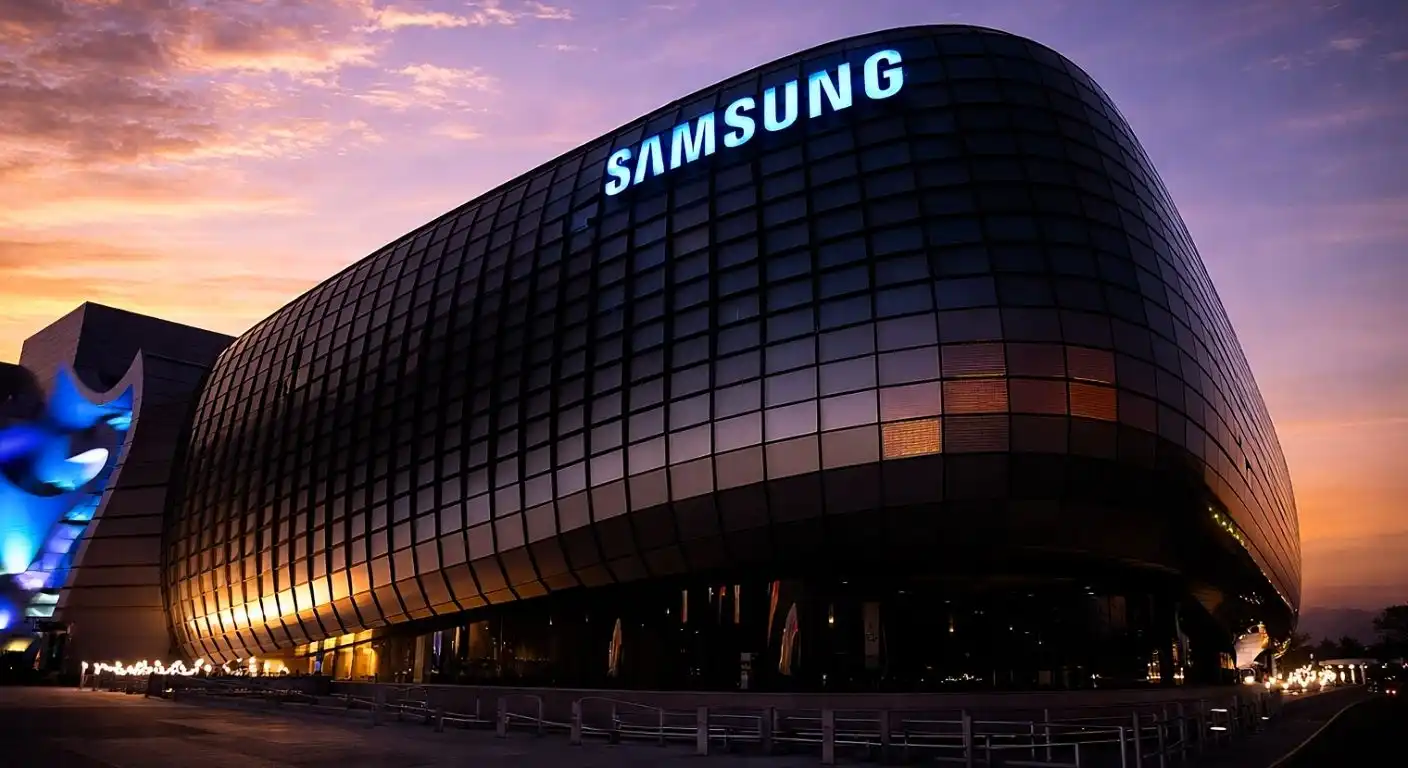
The global semiconductor landscape is witnessing a historic mobilization of capital as South Korean technology giants Samsung Electronics and SK Hynix announce a staggering combined investment of $1.3 trillion. This colossal financial commitment, planned over the coming years, aims to construct a series of high-tech “mega-clusters” dedicated to artificial intelligence memory production. As the world transitions into an AI-first economy, these two companies are betting their future—and the future of the nation’s industrial backbone—on the necessity of dominating the high-bandwidth memory (HBM) sector.
This $1.3 trillion investment is not just a capital expenditure; it represents a fundamental re-industrialization strategy. The semiconductor industry currently operates in a “winner-take-all” environment where the ability to supply massive volumes of specialized memory is the primary constraint on global AI progress. By funneling such unprecedented resources into their domestic infrastructure, Samsung and SK Hynix aim to create an insurmountable lead in manufacturing efficiency, precision, and output volume. This ensures that when global tech giants need the “brain fuel” for their AI models, they will have no choice but to turn to South Korea.
The centerpiece of this plan is the creation of a semiconductor mega-cluster, a massive industrial zone that integrates the entire supply chain from raw silicon wafers to finished memory modules. By clustering manufacturing, design, and testing facilities in one location, the companies expect to drastically reduce transit times and operational friction. This centralized approach allows for faster iteration cycles, meaning that when a new chip architecture is designed, it can move from the drawing board to the factory floor in record time. This agility is the key to maintaining a competitive edge in an industry where product lifecycles are shortening.
Financing a commitment of this size requires a deep alignment between private industry and national policy. The government is backing this effort with massive tax incentives, simplified land-use permits, and a dedicated power infrastructure build-out. Because advanced chip manufacturing requires an extraordinary amount of electricity and ultra-pure water, the government is investing billions of dollars into green energy grids to ensure that these facilities can run sustainably. This collaborative public-private model is expected to attract even more secondary investment from global materials suppliers and equipment manufacturers.
For global tech companies, this development is both a relief and a challenge. On one hand, the massive increase in HBM production capacity will eventually lower the cost of building AI data centers, which is currently a massive financial burden for cloud providers. On the other hand, it cements South Korea’s role as the indispensable gatekeeper of AI hardware. As the world becomes more dependent on these specific memory chips, the strategic influence of these two companies will grow, making them essential players in the geopolitical tech landscape.
The human impact of this investment is equally significant. South Korea is preparing to scale its technical workforce to meet the demands of these new facilities. University programs, vocational schools, and global recruitment drives are all part of the strategy to ensure that the “mega-cluster” is fully staffed with the best engineers and data scientists in the world. With over 50,000 new high-paying jobs in the pipeline, the investment is projected to have a major multiplier effect on the national economy, supporting everything from retail growth to urban development in the regions surrounding the clusters.
Looking toward the next decade, the industry is entering a “memory-centric” era. Traditional computing once focused primarily on CPU clock speeds, but today’s AI models are limited by how fast data can move between the processor and the memory. By dominating this bottleneck, Samsung and SK Hynix are positioning themselves at the very heart of the AI revolution. This $1.3 trillion bet is a clear signal that the two firms are not just looking to lead for a few years; they are building the infrastructure that will power the global digital economy for the next quarter-century.