Key Points:
- Samsung and SK Hynix have unveiled a massive $1.3 trillion investment plan to build a semiconductor mega-cluster, focusing on AI-grade memory chips.
- The mega-cluster project will centralize fabrication, research, and supply chain logistics to slash production times by 25%.
- This investment addresses the critical global shortage of HBM chips, which are essential for powering the next generation of generative AI models.
- The initiative is expected to solidify South Korea’s position as the indispensable hardware partner for every major global cloud provider and AI developer.
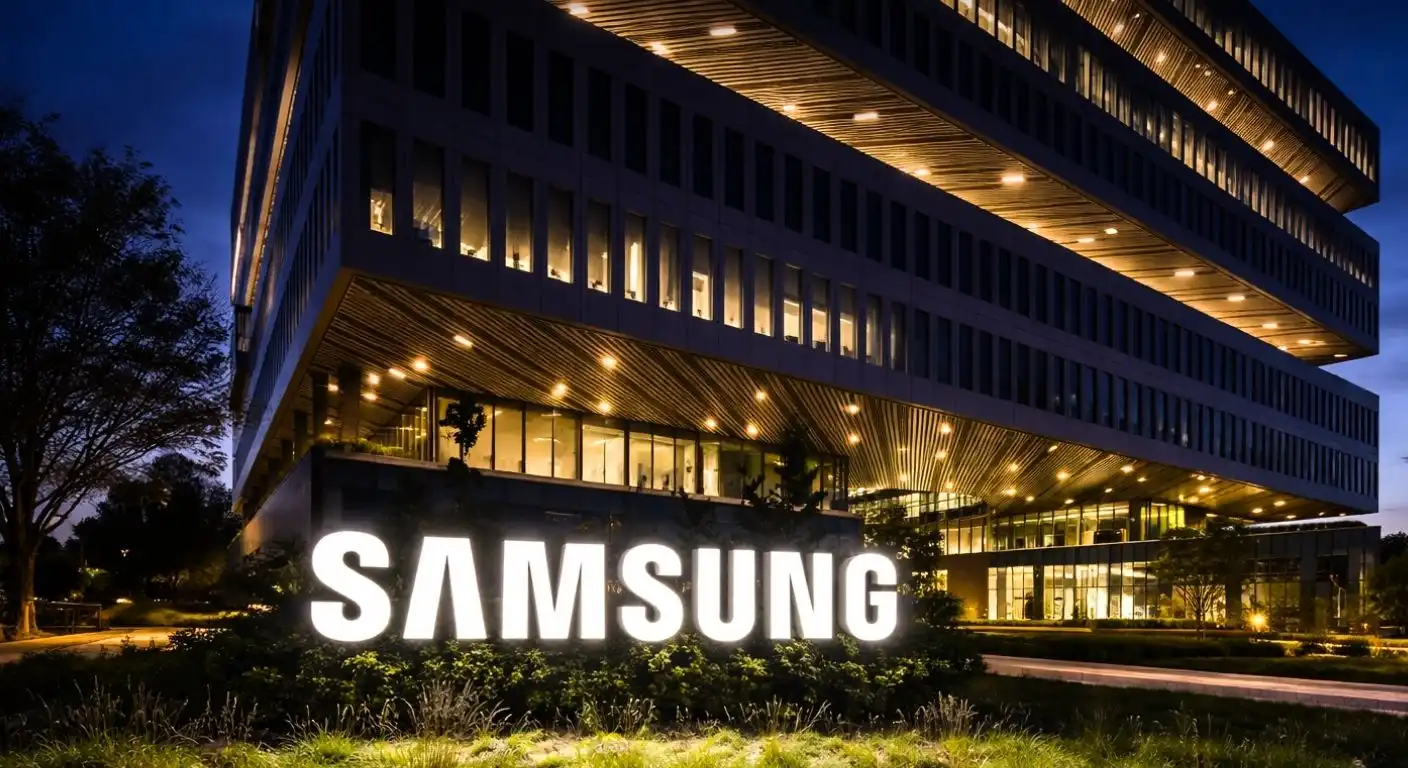
South Korea has officially launched a historic industrial transformation, with Samsung Electronics and SK Hynix committing a combined $1.3 trillion to create the world’s most advanced semiconductor “mega-cluster.” This colossal investment marks the single largest industrial gamble in the nation’s history, aimed squarely at securing global dominance in high-bandwidth memory (HBM) and AI-specific processor production. As the global demand for artificial intelligence infrastructure continues to outpace supply, these two titans are betting that the “AI super-cycle” is only in its infancy.
The scale of this project is difficult to overstate. By integrating dozens of new fabrication plants, design hubs, and testing centers into a single centralized zone, the two companies are essentially creating a sovereign silicon city. This mega-cluster is designed to overcome the persistent bottlenecks that have plagued the semiconductor industry, such as long transport times for wafers and inefficient resource distribution. By clustering these facilities, the firms can share power grids, water recycling systems, and logistics networks, achieving a level of operational efficiency that few other regions in the world can replicate.
Financial analysts are watching this development with a mix of awe and caution. Investing $1.3 trillion is a massive undertaking that requires not just private capital, but a long-term commitment from the national government to provide favorable regulatory frameworks and infrastructure support. The companies are effectively betting that AI development will continue its current exponential growth trajectory for at least another decade. If the AI cycle cools or demand plateaus, these firms risk being left with massive, underutilized capacity in a world of high fixed costs.
However, the current reality of the market suggests that this risk is justified. Major cloud providers and AI research labs are currently struggling to acquire enough HBM chips to keep up with their data center build-outs. Because these chips are so complex to manufacture—requiring specialized stacking and packaging techniques—there are only a few companies on Earth capable of producing them at scale. By aggressively expanding their production footprint, Samsung and SK Hynix are creating a “moat” around their market share, making it nearly impossible for newer, smaller competitors to catch up.
The mega-cluster initiative also signals a significant change in how the technology industry views manufacturing resilience. In the past, companies favored a globalized supply chain, spreading production across many countries to keep costs low. Today, the focus has shifted to geographic concentration and “friend-shoring.” By concentrating their most valuable manufacturing assets at home, South Korean firms are insulating themselves from the growing geopolitical instability that threatens to disrupt traditional trade routes and chip shipments.
Human capital is the final, and perhaps most important, piece of this massive puzzle. Building the plants is only half the battle; staffing them is the other. The initiative includes plans for advanced vocational training programs and university-corporate partnerships to produce tens of thousands of specialized engineers. This workforce development is a crucial part of the long-term strategy, ensuring that the country has a steady supply of domestic talent who understand the intricacies of sub-2nm fabrication and advanced memory stacking.
As the industry moves toward 2030, the success of this $1.3 trillion gamble will depend on the continued integration of AI into the global economy. If artificial intelligence becomes the engine of global industrial growth, these memory chips will be the fuel. By positioning themselves as the primary supplier of this fuel, Samsung and SK Hynix are securing their place at the very center of the digital world. This is not just an investment in chips; it is an investment in the foundational architecture of the future, ensuring that when the world thinks of AI, it thinks of South Korea.