Key Points:
- A federal judge has rejected Meta’s motion to dismiss a massive lawsuit filed by multiple U.S. states regarding the addictive nature of its platforms.
- The legal action claims Meta knowingly created features that encourage compulsive usage, leading to widespread mental health issues among teenagers.
- The ruling mandates that the company must now disclose internal research and design documents, potentially exposing how algorithms influence adolescent behavior.
- Legal experts suggest this case could set a massive precedent for the entire tech industry, potentially resulting in billions of dollars in damages and mandatory design changes.
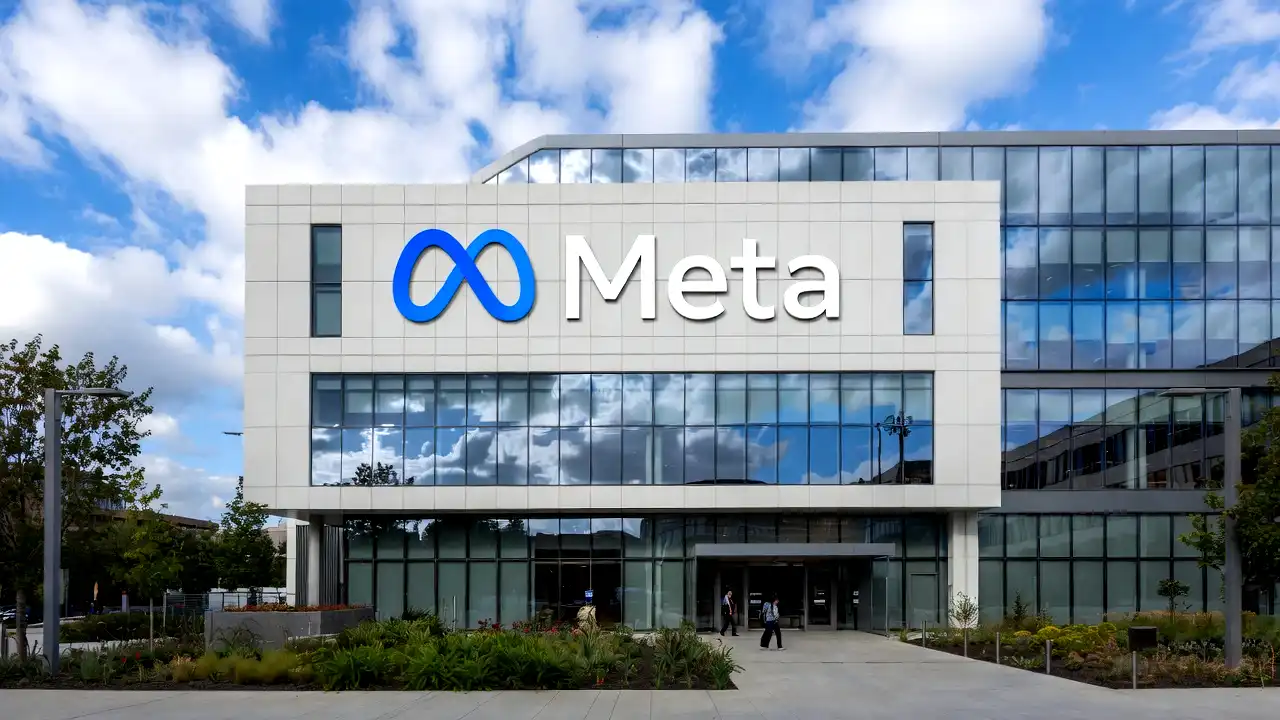
Meta, the parent company of Facebook and Instagram, has suffered a major legal setback in its effort to block a sweeping lawsuit brought by dozens of U.S. states. A federal judge recently ruled that the case, which alleges the company intentionally designed its platforms to be addictive and harmful to children, must proceed to the discovery phase. This decision marks a significant milestone in the broader national campaign to hold social media giants accountable for the mental health impacts of their algorithmic design choices on younger users.
The lawsuit argues that Meta, through Facebook and Instagram, prioritized engagement metrics over the well-being of its most vulnerable users. State attorneys general contend that the company’s “infinite scroll,” push notification systems, and variable reward structures—features similar to those found in gambling machines—were intentionally calibrated to keep minors on their phones for as long as possible. By refusing to dismiss the case, the court has effectively agreed that these design choices could constitute a form of product liability, shifting the legal focus away from traditional content moderation and onto the physical architecture of the software itself.
For Meta, the stakes could not be higher. The company has long defended itself by invoking Section 230 of the Communications Decency Act, which typically shields platforms from liability for the content posted by users. However, this lawsuit bypasses the content issue entirely, targeting the design and functionality of the platforms. If the states prevail, the legal implications could force the company to fundamentally rethink how its algorithms operate. This might mean disabling specific engagement features for users under the age of 18 or implementing strict, verifiable age-gating that goes far beyond current industry standards.
The discovery phase of this litigation will be the most intensive part of the process. Meta will be forced to turn over years of internal memos, white papers, and communications between its engineers and product managers. Plaintiffs hope to find evidence that the company was aware of the negative mental health outcomes linked to its products but chose to ignore those findings in favor of boosting advertising revenue. If internal documents show a pattern of “profit over protection,” the legal burden on Meta will become exponentially heavier, potentially turning public opinion and jury sentiment decisively against them.
From an economic perspective, the company is staring at a massive financial risk. Beyond the potential for a multibillion-dollar settlement, the cost of regulatory compliance could be staggering. If Meta is forced to redesign its platforms globally, the impact on its advertising business—which relies on high engagement rates—could be severe. Wall Street analysts have already begun to factor in the potential for increased legal expenses, with some estimates suggesting that the firm could face total costs exceeding $1 billion once legal fees, research audits, and structural changes are accounted for.
The social implications are equally profound. This case is part of a larger, global conversation about the “hidden costs” of the digital age. Parents, educators, and health professionals have spent years raising alarms about rising rates of anxiety, depression, and body dysmorphia among teens, frequently pointing to social media as a primary culprit. By taking this fight into the federal courts, state officials are providing a platform for these grievances. The outcome of the trial could lead to the first federal regulations that specifically mandate how software algorithms must be built to protect the psychological development of minors.
As the case moves forward, Meta will likely emphasize its recent efforts to improve safety, such as the rollout of “teen accounts” and parental supervision tools. However, the states argue that these measures are reactive “band-aids” placed on a platform designed from the ground up to exploit human psychology. The tension between the company’s narrative of progress and the states’ narrative of exploitation will define the trial. For the legal community, this will serve as the premier case study for 21st-century product liability, proving that technology companies are not exempt from the standards of duty and care that apply to every other manufacturer of consumer goods.
Ultimately, this ruling is a clear message to Silicon Valley: the era of unchecked algorithmic experimentation is drawing to a close. While Meta is currently the primary target, the outcome of this case will undoubtedly shape the future of YouTube, TikTok, and other platforms that operate on similar business models. The court’s decision to allow the case to proceed confirms that the legal system is finally catching up with the reality of digital life. Whether this leads to a new era of “safe-by-design” software or a prolonged period of legal turmoil, the tech industry is now officially under the microscope of the American judicial system.