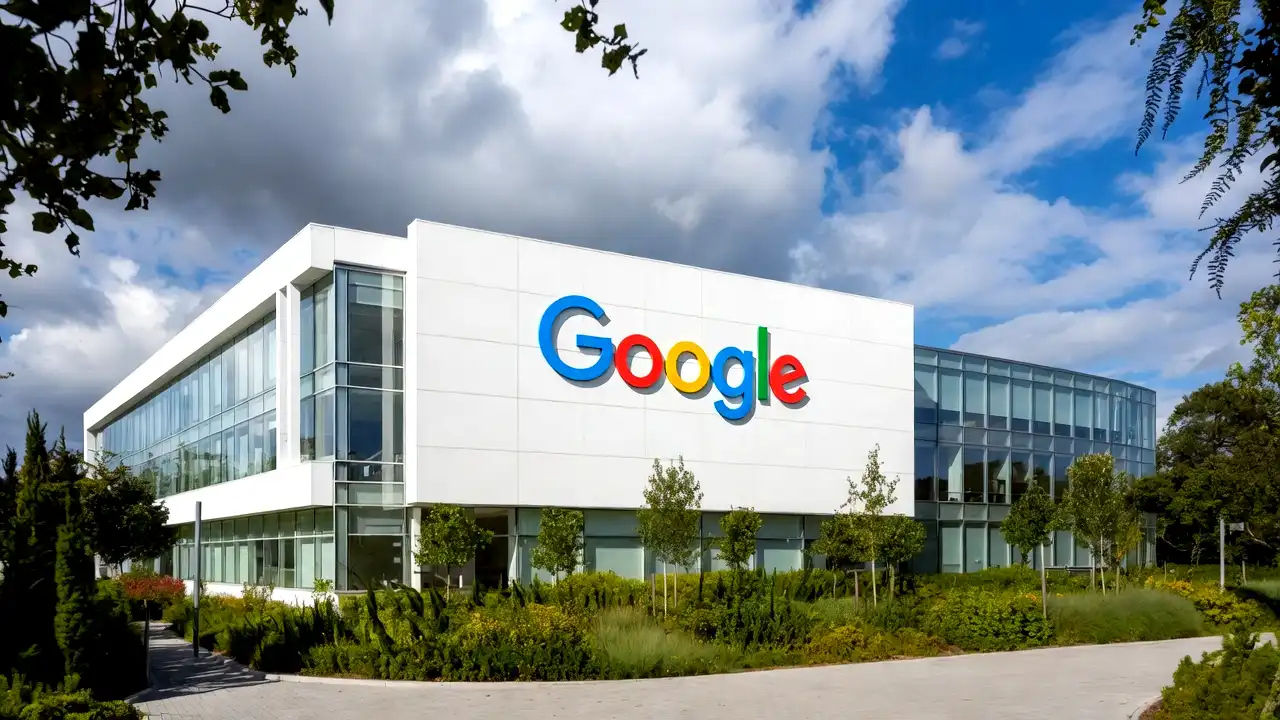
Key Points:
- A Swedish court ordered Alphabet Inc.’s Google to pay 14.3 billion kronor ($1.97 billion) in antitrust damages to Klarna’s subsidiary, PriceRunner.
- The court found that Google unlawfully abused its dominant search engine position to favor its own comparison-shopping service over independent competitors.
- The historic judgment marks the largest financial penalty ever decided in a Swedish competition case, though it is lower than PriceRunner’s original $8.3 billion claim.
- Shares of fintech giant Klarna rose 6 percent following the verdict, which bolsters its AI-driven “agentic commerce” and product search strategy.
Alphabet Inc.’s Google has suffered a monumental legal defeat in Scandinavia, marking a massive milestone in Europe’s ongoing regulatory campaign against tech monopolies. The Stockholm Patent and Market Court ruled in favor of price-comparison platform PriceRunner, a subsidiary of Swedish fintech giant Klarna Group plc, in a high-stakes antitrust lawsuit. The court ordered Google to pay 14.3 billion Swedish kronor in damages—a sum Klarna valued at approximately $1.97 billion, though standard currency conversions place it at around $1.5 billion. This historic judgment represents the largest antitrust payout ever awarded in a Swedish competition case, sending shockwaves through the global tech sector.
The long-running legal battle centered on allegations that the search giant systematically manipulated its search engine results to choke out independent competition. In its final judgment on Wednesday, the Swedish court concluded that the American tech giant unlawfully abused its dominant search market position to favor its own comparison-shopping service, Google Shopping, over independent rivals. The court determined that PriceRunner suffered substantial, long-term commercial damage as a direct result of Google’s self-preferencing practices, which illegally redirected millions of potential shoppers and valuable merchant traffic away from independent portals for many years.
The massive legal dispute began in February 2022 when PriceRunner first filed its antitrust lawsuit in Stockholm, shortly before its acquisition by Klarna. PriceRunner’s legal team originally sought up to 77 billion kronor, or approximately $8.3 billion, in total damages, arguing that the search giant’s anti-competitive behavior was systemic, ongoing, and actively destroying the European e-commerce ecosystem. Although the presiding judge, Linda Kullberg, noted that the platform did not fully succeed in securing its original, multi-billion-dollar claim, she emphasized that the 14.3 billion kronor award remains without doubt the most significant competition penalty in national history.
This major Swedish ruling is not an isolated local development, but is deeply grounded in a decade-long regulatory battle across the broader European Union. The litigation followed a landmark 2017 decision by the European Commission, which fined Google €2.42 billion for abusing its search engine dominance in comparison shopping. The European Union’s General Court upheld this fine in 2021, and the European Court of Justice issued a final, binding confirmation of the antitrust violation in 2024. These European-level rulings firmly established Google’s liability, leaving local national courts with the responsibility of determining the exact financial damages suffered by individual domestic competitors.
In response to the historic verdict, Google has adopted a highly defensive posture, indicating that the multi-year legal battle is far from over. A corporate spokesperson stated that the company does not agree with the court’s decision, adding that its legal teams are currently reviewing the ruling and actively considering all available legal options. The tech giant maintains that the structural changes it implemented for its shopping advertisements back in 2017 have successfully resolved all competition concerns, creating a fair, open, and highly competitive environment for European merchants. The company is widely expected to file a formal appeal, which could delay any actual payout for years.
Despite the prospect of a long appeal process, the verdict sparked immediate celebration among Klarna’s leadership and investors. Shares of Klarna Group, which is publicly traded on the New York Stock Exchange under the ticker KLAR, jumped by over 6% in Wednesday’s trading sessions following the announcement. Dan Greaves, the company’s Head of Communications and Policy, hailed the ruling as a major victory for consumers and the broader digital economy. Greaves asserted that when digital markets operate fairly, everyone benefits, adding that the court’s decision supports a healthier, more competitive environment for how everyday consumers compare and purchase products online.
The massive legal victory has also drawn fresh attention to Klarna’s broader corporate strategy of moving beyond simple Buy Now, Pay Later financial services. The fintech giant originally acquired PriceRunner in 2022 specifically to weaponize its extensive product discovery, review, and price-comparison capabilities. Since the acquisition, the company has aggressively expanded these features across 13 global markets, building a massive database that boasts over 100 million distinct products and 500 million merchant listings. This data treasure trove serves as the core engine powering the company’s new Shopping Search application integrated directly inside ChatGPT, forming the backbone of its ambitious agentic commerce strategy.
However, financial analysts are cautioning investors that the headline-grabbing $1.97 billion damages figure will not flow directly or entirely into the fintech company’s cash reserves. Under the complex terms of the 2022 acquisition, any eventual financial recovery resulting from the PriceRunner litigation is subject to pre-existing sharing arrangements. The company must split the final payout with PriceRunner’s former shareholders and its external litigation funders who financed the multi-year legal proceedings. Additionally, any eventual payout will be subject to standard corporate taxation, meaning the net cash recovery will be significantly lower than the court-mandated total.
Ultimately, the landmark Swedish verdict serves as a powerful warning to global technology monopolies that the cost of anti-competitive behavior is becoming increasingly expensive. While tech giants historically treated regulatory fines as minor, routine business expenses, the emergence of multi-billion-dollar private damages lawsuits is creating real financial consequences. By allowing independent competitors to claw back lost revenues through national courts, the European legal system is establishing a highly effective mechanism to enforce fair competition. As regulators worldwide continue to tighten their grip on digital markets, the companies that can successfully transition toward open, compliant, and user-centric ecosystems will be the ones that survive.