Key Points:
- Samsung Electronics and SK Hynix shares have suffered a significant decline, causing a major drag on the South Korean KOSPI index.
- The sell-off is part of a larger global rotation away from semiconductor stocks as investors grow cautious about the sustainability of AI capital expenditures.
- Market analysts point to fears of an “AI fatigue” where the massive spending by cloud providers is not yet translating into widespread software profitability.
- The volatility has wiped out billions in market capitalization, forcing institutional investors to re-evaluate their exposure to the cyclical memory chip sector.
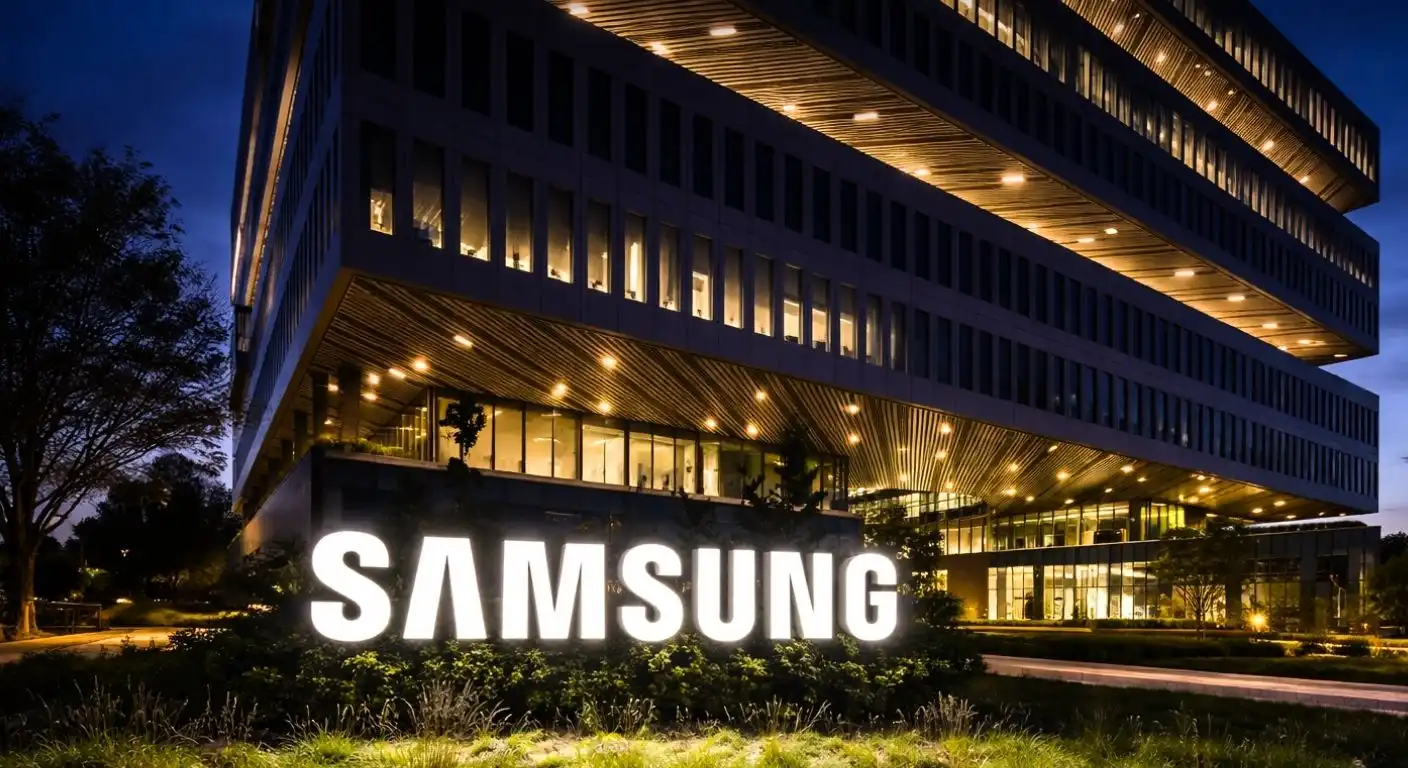
South Korean semiconductor giants Samsung Electronics and SK Hynix have faced a sharp downturn in their share prices, dragging the broader KOSPI index lower in a wave of investor pessimism. This sudden sell-off mirrors a broader global trend where investors are rotating away from high-growth technology stocks, particularly those heavily leveraged in the artificial intelligence hardware supply chain. As market participants react to mixed signals regarding the future of the AI investment cycle, these two industry titans are finding themselves at the center of a significant valuation correction.
The decline in these two heavyweights reflects an increasingly fragile sentiment within the global tech sector. For months, Samsung and SK Hynix were the darlings of the stock market, riding a massive wave of demand for high-bandwidth memory (HBM) chips. These components are the critical “fuel” for training large-scale AI models. However, the market’s enthusiasm has hit a wall as high-profile investors begin to question whether the astronomical amounts spent on data centers and chip production will actually result in long-term, stable returns.
When a sector is valued at a premium based on future growth, even a slight change in investor perception can trigger a massive sell-off. We are currently seeing a “de-risking” event where institutional funds—which previously poured billions into South Korean tech—are now taking profits to move into more defensive sectors. This rotation is exacerbated by the fact that memory chip manufacturing remains a notoriously cyclical business. Despite the current AI boom, the memory industry still faces the age-old challenges of inventory fluctuations, pricing pressure, and the need for constant, massive capital expenditure.
This market tension is further fueled by the performance of the Nasdaq and other major U.S. technology indices. Because South Korea’s chip market is so deeply integrated with the global supply chain, local stocks often move in lockstep with their peers in the United States. When investors in New York become nervous about the pace of AI deployment, the impact is felt almost instantly in Seoul. This correlation is a reminder of how interconnected the modern digital economy is; a shift in market psychology on one side of the world can lead to a multi-billion dollar swing in equity values on the other.
Infrastructure costs are another major concern weighing on the sector. Building a single modern semiconductor fabrication plant now requires an investment exceeding $15 billion. Samsung and SK Hynix have committed to massive, long-term expansion plans to capture the AI demand, but these projects require years to become operational. If the current cooling in demand for hardware persists, these companies risk having “stranded capacity”—factories that cost a fortune to run but are not operating at their full, high-margin potential. This uncertainty is causing the market to price in a higher risk premium for the sector.
Despite the current slide, it is important to remember the massive scale of the industry. These companies are not just manufacturing chips; they are building the physical foundation of the digital future. The demand for advanced memory is unlikely to evaporate, as generative AI is still in its early stages of enterprise adoption. However, the market is moving into a more mature phase of the investment cycle, where the “hype” phase is replaced by a “performance” phase. Investors will now focus on tangible financial metrics, such as gross margins, inventory turnover, and the successful commercialization of new product lines.
The South Korean government has attempted to soothe market fears by reiterating its commitment to supporting the “mega-cluster” projects that anchor these firms. By providing tax incentives and streamlining energy permits, the government is trying to provide a stable backdrop for these companies to weather the storm. Yet, the stock market remains a forward-looking mechanism, and it is clearly worried that the pace of growth in the AI hardware market might be hitting a short-term ceiling. Whether this is a temporary consolidation or the start of a broader downturn remains the primary question for investors.
Ultimately, the sell-off in Samsung and SK Hynix is a reminder that even the most “essential” industries are subject to market volatility. While the role of memory chips in the AI era is virtually guaranteed, the timing of capital expenditure and the pricing of those components are always subject to debate. As these two titans work to navigate the current market headwinds, their ability to maintain their technological lead while managing their financial efficiency will be the most important story for the remainder of the year. For now, the market is signaling that it demands more evidence of lasting success, and it is no longer willing to take the future of AI growth as an absolute certainty.