Key Points:
- L-H Battery Company, the joint venture between LG Energy Solution and Honda, launched mass production of energy storage system (ESS) cells in Ohio.
- The 2-million-square-foot Jeffersonville plant was originally built to supply electric vehicles but pivoted to address the booming grid-storage market.
- The shift comes in response to cooling electric vehicle demand, changing U.S. regulatory policies, and the rapid power needs of AI data centers.
- North American annual ESS demand is projected to expand dramatically from 88 gigawatt-hours last year to nearly 1,000 GWh by 2035.
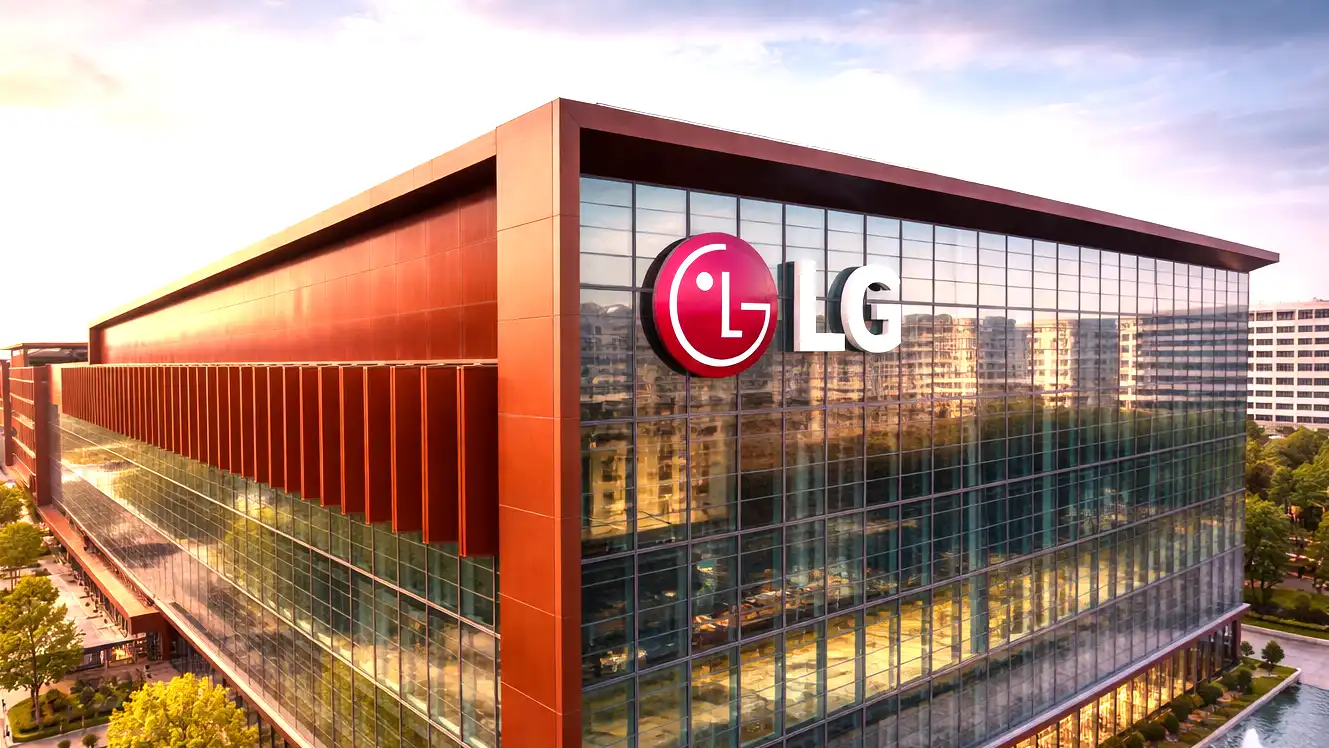
A major structural transition in the global clean energy economy has officially begun on American soil. L-H Battery Company, the high-stakes joint venture between South Korea’s LG Energy Solution and Japanese automaker Honda Motor, has launched mass production of lithium-ion battery cells for energy storage systems (ESS). The commercial rollout at the joint venture’s recently completed plant in Jeffersonville, Ohio, represents a significant milestone in local manufacturing. By immediately channeling its production capacity into utility-scale, commercial, and residential power grids, the alliance is securing a vital early foothold in the rapidly growing North American energy storage market.
What makes the start of production so highly watched by the automotive and technology sectors is its dramatic departure from the facility’s original manufacturing roadmap. The companies originally designed the massive, 2-million-square-foot plant in Fayette County to produce battery cells exclusively for Honda and Acura electric vehicles (EVs) in North America. However, in response to slowing consumer EV adoption rates, a temporary cooling in regional electric car sales, and shifting U.S. regulatory frameworks, the joint venture made the bold decision to pivot its production focus entirely to energy storage systems and future hybrid-electric vehicle (HEV) cells.
The battery cells rolling off the newly operational Ohio assembly lines will flow directly to where they are needed most to support critical infrastructure. The joint venture will supply the cells to LG Energy Solution Vertech, the company’s North American energy storage systems integration subsidiary. Vertech will package the high-capacity lithium-ion cells into utility-scale storage systems destined for commercial, industrial, and residential power grids across the United States. These smart energy systems will capture and store electricity from both renewable sources, like wind and solar, and traditional sources, such as natural gas, to improve daily grid stability and prevent localized brownouts.
The economic footprint of the newly completed Ohio facility is immense, reflecting the scale of the transatlantic partnership. The factory represents a total capital investment exceeding $4.4 billion and currently employs more than 1,000 local associates. As production lines ramp up toward full capacity over the next year, the joint venture expects to grow its local workforce to a total of 2,200 full-time employees, bringing substantial economic benefits to the Fayette County community. This rapid job creation highlights how private capital is successfully transforming former agricultural lands into high-tech, sovereign manufacturing hubs.
To fund this massive transition and maximize its operational efficiency, the parent companies executed a highly complex corporate restructuring earlier this year. In a strategic transaction finalized on February 28, LG Energy Solution sold the plant’s physical building and infrastructure assets—excluding the specialized manufacturing equipment and land—to Honda Development and Manufacturing of America for $2.85 billion. This cash-generating asset sale allowed the Korean battery maker to recoup a massive chunk of its initial capital outlay, while the joint venture continues to operate the site seamlessly under a long-term lease, ensuring that day-to-day manufacturing operations remain completely unaffected.
The primary driver behind this sudden, market-wide pivot toward energy storage systems is the explosive boom in artificial intelligence infrastructure. Modern gigawatt-scale data centers housing tens of thousands of high-power graphics processing units (GPUs) require unprecedented amounts of electricity to run their complex neural network algorithms. Because these high-density computing clusters require continuous, completely uninterrupted power supplies to prevent data corruption during massive model training runs, tech giants are investing billions of dollars to build their own on-site energy storage hubs. This insatiable appetite has turned the ESS market into a highly profitable, non-cyclical alternative to the fluctuating consumer EV market.
To protect itself from future market shifts, the joint venture’s leadership team is designing its manufacturing lines to maintain a high degree of operational flexibility. Chief Executive Officer Koo Cha-hoon emphasized that ESS represents one of the company’s key future growth businesses, but noted that the plant is also capable of producing battery cells for hybrid electric vehicles depending on real-time market demand. By dividing its production lines between grid-scale storage cells and high-efficiency hybrid vehicle batteries, the company can easily adapt its product mix to match shifting regulatory mandates and consumer buying patterns over the next decade.
The decision to establish a highly secure, localized supply chain within the United States is backed by spectacular market growth projections. Independent energy market researchers estimate that the North American energy storage battery market will expand sharply over the coming years as utilities scramble to stabilize their aging grids. Annual ESS battery shipments in the region are projected to swell from a modest 88 gigawatt-hours (GWh) last year to an impressive 485 GWh by 2030, eventually scaling past 976 GWh by 2035. This massive, non-speculative growth curve explains why battery makers are increasingly prioritizing grid storage even as passenger EV adoption moderates.
Ultimately, the successful launch of mass production at the Jeffersonville plant demonstrates that the clean energy transition is moving into a mature, infrastructure-first phase. While the early stage of the green technology boom was characterized by a consumer-focused rush to sell electric passenger cars, the current phase is firmly anchored in the physical stability of our power grids and digital data centers. By combining Korean battery technology with Japanese automotive manufacturing and localized U.S. assembly, the partners have built a highly resilient, globally competitive energy engine. The companies that can successfully adapt their factories to meet the real-world power needs of the modern digital age will continue to lead the way.