Key Points:
- Tesla officially expanded its autonomous ride-hailing network to Florida, making Miami the first city outside of Texas and California to offer the service.
- The initial service area covers a geofenced zone of 10 to 14 square miles in western Miami-Dade County, including Miami International Airport.
- The current fleet consists of Tesla Model Y vehicles, with plans to introduce the custom-built, pedal-free Cybercab once production scales up.
- Florida law allows driverless vehicles to operate on public roads, and local emergency crews completed safety training just days before the official launch.
Tesla has officially launched its autonomous ride-hailing operations in Miami, Florida. This move introduces the service to its third state, following initial rollouts in Texas and California. By selecting Miami, the company targets a high-density, tourist-heavy metropolitan area known for complex driving conditions and heavy traffic. The launch signals that the electric car manufacturer is ready to push its driverless technology into new markets outside of its established test hubs, escalating the competitive race for autonomous transportation dominance.
The new service operates within a strict geofenced zone in western Miami-Dade County. The designated area covers roughly 10 to 14 square miles, containing neighborhoods such as West Miami, Doral, and Coral Gables. A major highlight of this initial launch zone is the inclusion of Miami International Airport, giving travelers a direct way to experience autonomous rides. However, the current boundaries exclude downtown Miami and Miami Beach. By focusing on a smaller, targeted zone first, the operations can gather valuable street data and refine route planning before expanding to coastal tourist hotspots.
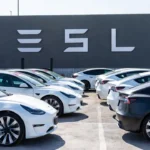
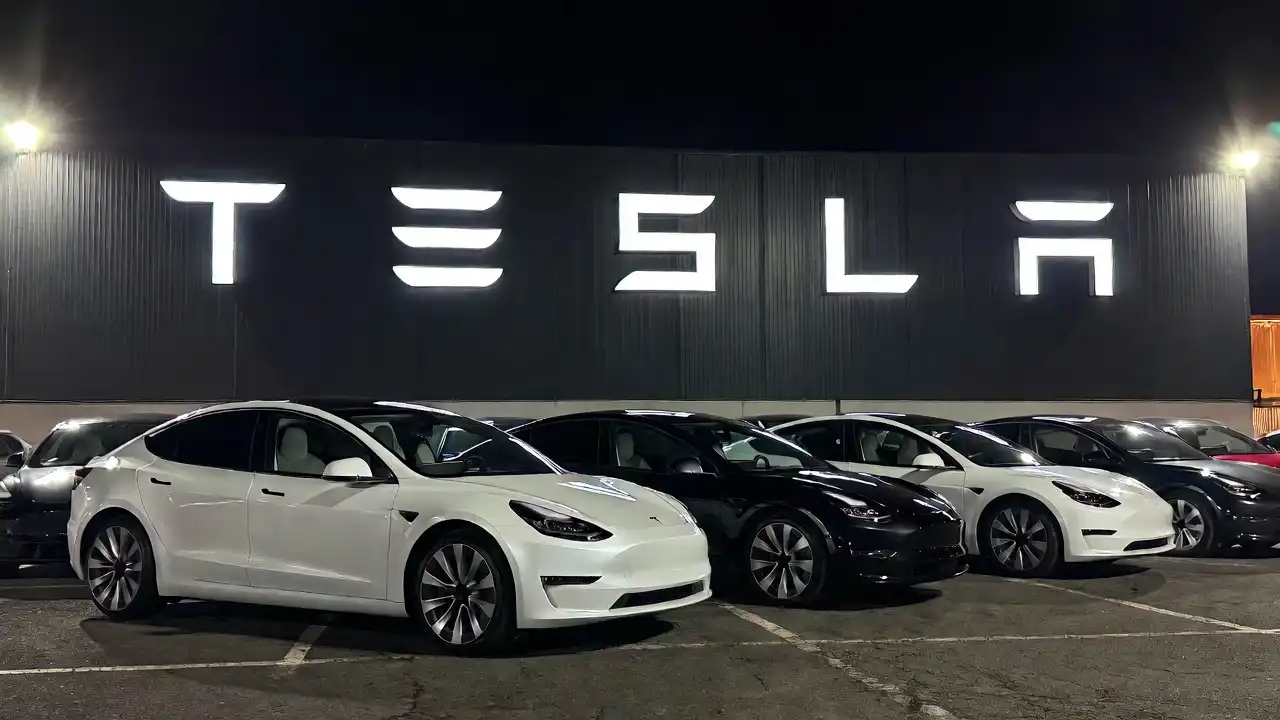
At launch, the Miami fleet consists of Model Y vehicles, which is the same model Tesla uses for its operations in Austin, Dallas, Houston, and the San Francisco Bay Area. While the Model Y handles the current workload, the company plans to introduce its custom-designed Cybercab once production scales up. The Cybercab is a unique two-seat vehicle built from the ground up without a steering wheel or pedals, specifically created to run on the unsupervised Full Self-Driving system. The company aims to eventually manufacture these vehicles at an ambitious rate of 5 million units per year to support a massive global network.
Florida’s welcoming regulatory climate played a decisive role in bringing the autonomous service to Miami. Under state law, driverless vehicles can operate on public roads without a human operator inside, provided they meet federal safety guidelines. Despite these favorable rules, Tesla is taking a careful, step-by-step approach to local safety. For instance, Coral Gables fire and rescue crews completed specialized emergency response training with the company’s technical teams just days before the service went live. This training focused on teaching firefighters how to safely disable high-voltage batteries and interact with driverless vehicles during road incidents. Taking these steps is critical for building public trust, especially as city dwellers remain cautious about sharing roads with computer-driven cars.
The Miami expansion comes just over a year after the company debuted its commercial robotaxi service in Austin in June 2025. Over the last year, the program has steadily grown across Texas and parts of California. Although the network has successfully logged thousands of paid miles, scaling has been a gradual process. Some industry analysts point out that the overall fleet size remains relatively modest, operating with dozens of vehicles rather than the thousands of self-driving cars once promised by executives. However, entering a third state shows that the commercial rollout is gaining momentum after early delays.
Passengers in the Miami area can book rides through a dedicated smartphone app. The application allows users to check wait times, view estimated fares, and customize in-cabin features before the vehicle arrives. Once inside the vehicle, passengers have total control over their environment. The rear touchscreen lets riders adjust seat heaters, modify the climate zone, and play their favorite playlists. These personal preferences save directly to the rider’s profile, meaning the car automatically applies the same settings on any future rides, whether in Miami or Dallas.
While exact pricing details for the Florida market remain under wraps, the company has historically utilized an introductory model. For comparison, the established Austin service has run on a base fare of $3.25 plus an additional $1 per mile. This pricing structure makes the autonomous rides highly competitive with traditional ride-hailing services. The company aims to make the experience feel like a personal vehicle rather than a standard rental or cab.
The move directly challenges other autonomous vehicle developers in the region. Competitors already operate commercial ride-hailing services in major cities including Los Angeles, San Francisco, and Phoenix, and have announced their own testing phases in Miami. By launching its service now, Tesla is working to establish an early footprint in South Florida’s lucrative transit market. Navigating Miami’s unpredictable traffic, frequent sudden downpours, and dense pedestrian zones will serve as a major test for the reliability of the vision-based self-driving system.
Beyond deploying company-owned fleets, the long-term vision relies on a shared autonomous network where private owners can list their personal vehicles to earn extra income. This crowdsourced fleet model could allow the platform to scale rapidly without requiring billions of dollars in vehicle manufacturing costs. If successful, the strategy would help the company transition from a traditional automotive manufacturer into a high-margin software and robotics giant, a shift that investors have eagerly anticipated.
As the Miami fleet begins navigating the streets of western Miami-Dade, the success of this expansion will heavily influence the company’s plans for other confirmed cities, including Phoenix and Las Vegas. Navigating the regulatory and technical hurdles of a major metropolitan area is no easy feat, but establishing a reliable presence in Florida brings the company one step closer to making driverless transportation a mainstream reality. The coming months will reveal how local riders respond to the service and whether the technology can handle the unique demands of South Florida roads.