Key Points:
- Iran launched talks with multiple Japanese energy firms to resume crude exports for the first time since 2019 under a temporary US sanctions waiver.
- The 60-day waiver, known as General License X, permits dollar-denominated trade for Iranian crude and petrochemicals through August 21, 2026.
- Japanese refiners are demanding an extension of the waiver and clear maritime security guarantees in the Strait of Hormuz before committing to purchases.
- Iran holds approximately 68 million barrels of unsold crude on offshore tankers, with more than 80% lacking designated destinations.
Iran has opened negotiations with several Japanese companies to resume crude oil exports, capitalizing on a temporary relief from long-standing international trade restrictions. The discussions represent a significant shift in global energy dynamics as Tehran attempts to re-enter traditional Asian markets. The United States authorized the temporary opening of trade channels in late June, easing economic blocks in an effort to advance broader regional peace negotiations. If the talks succeed, they will mark Japan’s first purchases of Iranian crude oil in seven years, offering a new supply source for the resource-scarce East Asian nation.
The commercial talks are taking place under a temporary 60-day sanctions waiver issued by the United States Treasury Department. This specific authorization, designated as General License X, allows dollar-denominated transactions for Iranian crude oil, petroleum products, and petrochemicals through August 21, 2026. A memorandum of understanding between Washington and Tehran, which links to ongoing negotiations for regional security and nuclear inspections, drove the temporary policy shift. For decades, strict payment blocks prevented such trade, forcing Iran to rely heavily on shadow banking and alternative currencies.
Despite the potential to secure discounted energy, Japanese refiners are approaching the opportunity with extreme caution. Prospective buyers argue that the remaining duration of the 60-day window is fundamentally too short to establish secure payment channels, arrange complex maritime insurance, and complete necessary legal due diligence. Because a round-trip voyage between Iranian ports and Japanese refineries takes several weeks, buyers face a high risk of being caught mid-transaction if the waiver expires without a renewal. Consequently, Japanese companies are demanding a formal extension of the sanctions exemption before signing any binding purchase agreements.
Maritime safety in the Persian Gulf represents another significant hurdle for the prospective trade. Over the past several years, regional geopolitical conflicts have led to tanker seizures, drone attacks, and elevated insurance premiums for vessels transiting the Strait of Hormuz. Japanese refiners want ironclad guarantees that their hired tankers can navigate these vital shipping lanes without facing hostile actions. Initial plans indicate that any potential shipments would depart from Iran’s primary export hub at Kharg Island using Japanese-operated vessels, but local maritime insurers remain hesitant to extend full coverage under the current security climate.
The diplomatic opening comes as Iran actively seeks to diversify its customer base. Since international restrictions tightened in 2018, China has stood as the sole major buyer of Iranian crude, often purchasing the oil at steep discounts through a network of independent refineries. Re-engaging with traditional buyers in Japan, South Korea, and India would give Tehran greater leverage in negotiations and reduce its economic dependence on a single trading partner. For Japan, South Korea, and European nations that halted imports years ago, the opening offers a chance to lower average procurement costs, provided the political risks remain manageable.
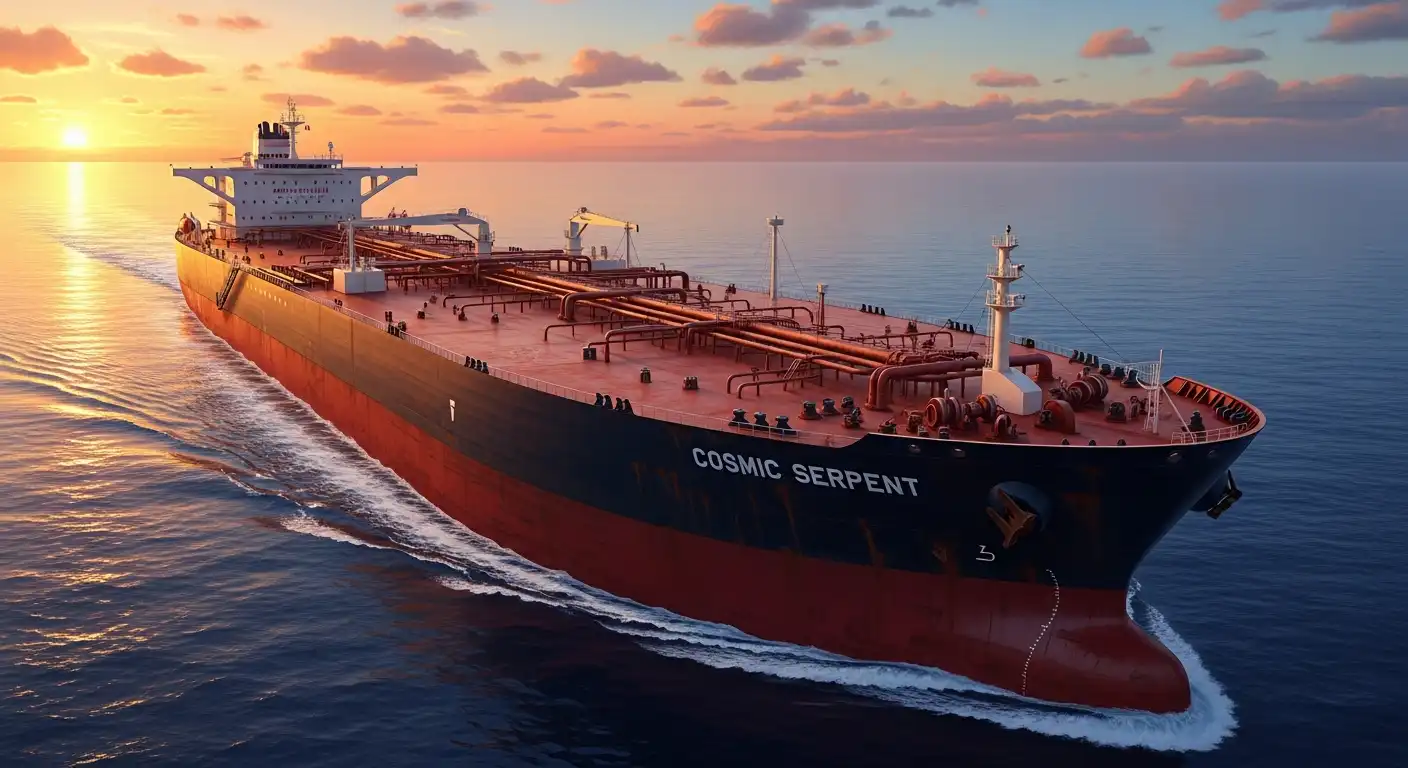
Tehran has a strong financial incentive to move its oil quickly. Currently, an estimated 68 million barrels of Iranian crude are sitting in floating storage on tankers anchored at sea. More than 80% of these stored barrels do not have a designated destination, costing millions of dollars in ongoing storage fees and tying up valuable shipping capacity. Successfully selling even a fraction of this offshore backlog to high-value Asian buyers would provide an immediate cash infusion for the Iranian economy, which has struggled with high inflation and currency devaluation under years of economic isolation.
The oil negotiations are playing out against a highly complex geopolitical backdrop in the Middle East. Recent leadership transitions in Tehran, including preparations for national ceremonies, have created some domestic administrative delays. At the same time, ongoing regional proxy conflicts continue to threaten the stability of the very shipping lanes required for the oil trade. These overlapping crises mean that any commercial progress remains vulnerable to sudden political shifts, keeping international energy markets on high alert as the August deadline approaches.
As the August 21 expiration date draws closer, the future of the trade talks rests almost entirely on the outcome of the ongoing diplomatic dialogue between Washington and Tehran. While private energy firms are eager to explore cheaper crude alternatives, they will not jeopardize their relationships with the global financial system for a short-term supply of oil. Unless the United States Treasury offers a clear signal of its intent to extend the sanctions waiver, the current talks may yield little more than preliminary agreements, leaving the vast reserves of Iranian crude floating at sea.