Key Points:
- Elon Musk issued rare praise for competitor Anthropic on social media, calling the startup the obvious current frontrunner in artificial intelligence.
- Musk admitted he had “clearly misjudged” the company, praising the unmatched capabilities of its unreleased Mythos and Fable models.
- The public turnaround follows a massive mid-2026 infrastructure deal where Anthropic leased over 220,000 graphics processors from SpaceXAI’s Memphis facility.
- Defending his fair-play principles, Musk vowed not to restrict Anthropic’s access, comparing it to Tesla open-sourcing its charging network.
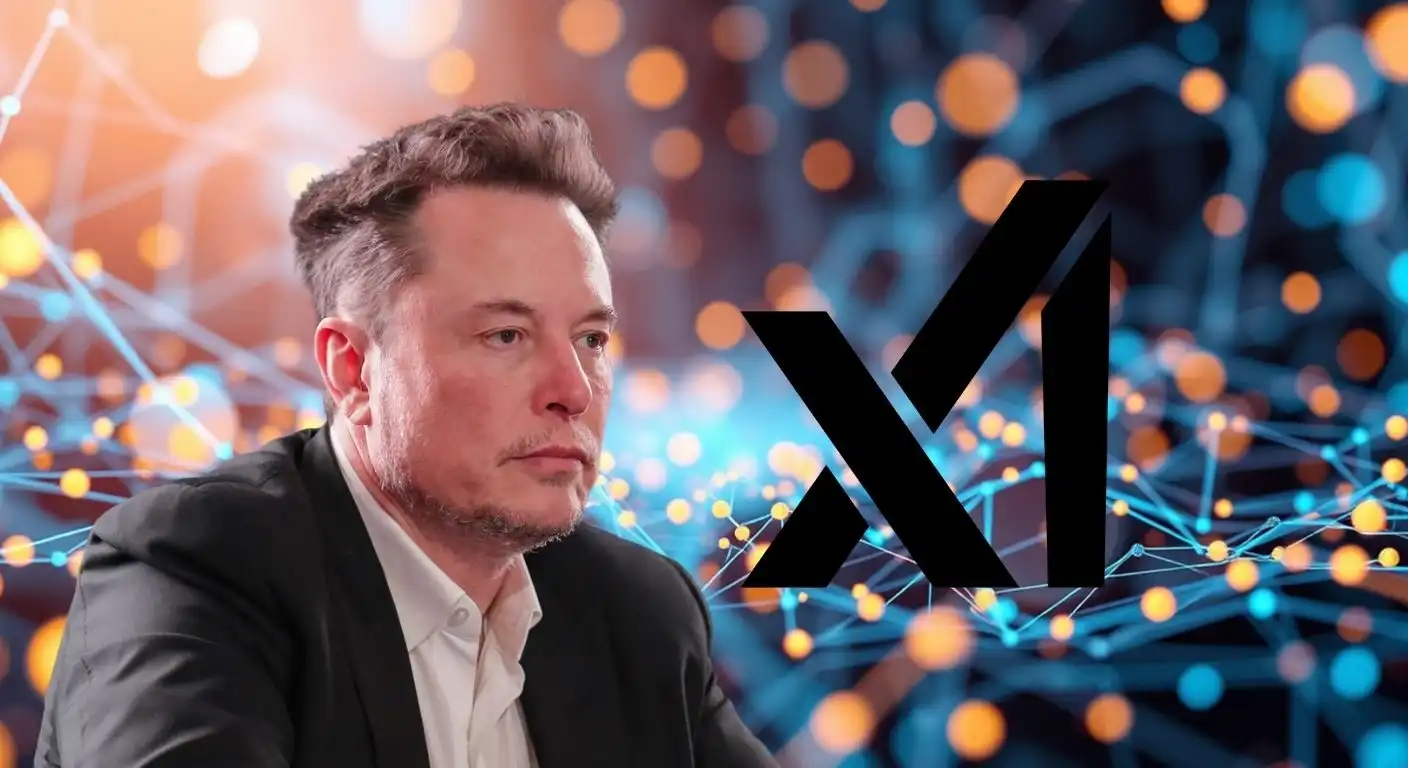
In a major development that has stunned the Silicon Valley technology ecosystem, tech billionaire Elon Musk has issued highly unusual and direct praise for one of his primary business rivals. Speaking on his social media platform X, the founder of Tesla and SpaceXAI explicitly declared that artificial intelligence startup Anthropic is the current leader in the global artificial intelligence race. This public endorsement represents a highly significant pivot for Musk, who had previously spent months criticizing the startup as a safety-compromised entity. The sudden public validation underscores the rapidly shifting alliances and competitive dynamics shaping the next chapter of digital intelligence.
The tech entrepreneur did not mince words when discussing his past skepticism, admitting that he had clearly misjudged the startup’s capabilities and trajectory. In his social media posts, he noted that no other artificial intelligence developer has successfully released models that match the raw technical capabilities of the startup’s unreleased Fable and Mythos model families. He also indicated that he expects the firm to launch its highly anticipated Mythos 2 upgrade soon, further cementing its position at the forefront of the industry. This public admission represents a rare gesture of professional humility from an executive famous for his combative corporate posturing.
In addition to praising the startup’s models, the tech leader vowed to maintain a cooperative relationship, promising that his companies would not impose any operational restrictions to stifle the rival firm’s growth. To defend his commitment to fair market competition, he cited his past corporate decisions across multiple industries. He pointed out that Tesla previously open-sourced its proprietary electric vehicle patents and voluntarily opened its Supercharger network to rival manufacturers. He additionally noted that when SpaceX launched communications satellites for direct business competitors, the aerospace giant maintained fair contract pricing and did not exploit its launch monopoly, setting a positive precedent for the AI sector.
This dramatic warming of relations follows a major, multi-billion-dollar infrastructure transaction signed between the two companies in mid-2026. To satisfy its desperate need for raw computing power, the startup signed a landmark agreement to lease approximately 220,000 Nvidia graphics processors housed within SpaceXAI’s massive Colossus data center in Memphis, Tennessee. This strategic deal proved to be a major win-win transaction. It provided the startup with the necessary hardware to serve its ballooning customer base, while generating a highly profitable, immediate cash stream for Musk’s newly restructured AI division, which he recently integrated into SpaceX under the SpaceXAI banner.
The startup’s massive demand for computing power stems from its historic operational growth, which has completely outpaced standard industry projections. Financial summaries indicate that the firm’s annualized revenue run rate exploded from $9 billion at the end of last year to over $30 billion by May 2026. This vertical growth curve was highlighted by a record-breaking Series G funding round that raised $30 billion in February, establishing a post-money valuation of approximately $380 billion. At this unprecedented scale, the developer requires access to massive, sovereign-scale supercomputing clusters to keep its model performance ahead of competitors like OpenAI and Google.
The primary driver behind this explosive revenue generation is the massive commercial success of the firm’s developer-focused tool, Claude Code. This specialized coding assistant has gained dominant market share in Silicon Valley, generating an estimated $2.5 billion in annualized recurring revenues. Unlike general-purpose chatbots that users interact with occasionally to generate brief text passages, software engineers utilize this advanced programming tool continuously, spending an average of 20 hours per week writing, testing, and debugging complex software within the application. This highly intensive usage profile creates massive, non-stop processing demands that put severe strain on traditional cloud servers.
For the tech billionaire, the lucrative server leasing deal represents a core pillar of his long-term financial strategy for SpaceXAI. After merging his independent startup xAI into SpaceX earlier this year, the entrepreneur has aggressively positioned the combined entity as a master provider of physical AI plumbing. By leveraging SpaceX’s unique access to cheap industrial electricity, advanced thermal engineering, and global logistics, the firm can construct and operate high-density server clusters at a fraction of the cost of traditional real estate developers. This hardware efficiency allows the company to lock in massive margins when leasing servers to capital-flush startups.
The sudden reconciliation represents a major departure from a highly contentious relationship that previously dominated tech headlines. Just three months ago, the Tesla chief had publicly attacked the startup, accusing its founders of building a closed-door system that posed a threat to Western civilization due to its strict safety filters. However, after the startup’s engineering team conducted extensive demonstrations of their unreleased model architectures, the tech leader conceded that their research methods were highly disciplined and did not trigger his automated safety detectors. This technical consensus has cleared the path for deeper physical and financial cooperation between the two hardware giants.
Ultimately, the rare endorsement from the world’s wealthiest entrepreneur cements the startup’s transition from an ambitious challenger into a dominant, systemic leader of the artificial intelligence era. By securing both the technical validation and the physical server backing of the market’s leading infrastructure operator, the firm has built a highly defensive competitive position. As the industry continues to consolidate around a few capital-intensive platforms, the collaborative hardware partnership between SpaceXAI and the startup will likely serve as a vital anchor for the global digital economy, permanently reshaping how the world manufactures and deploys advanced computational power.