Key Points:
- Grab is planning to expand its electric vehicle charging network in Vietnam by 15 times its current capacity by the end of 2028.
- The project is focused on supporting the massive fleet of ride-hailing and delivery drivers who currently rely on traditional fossil-fuel motorcycles and cars.
- This expansion is a core pillar of the company’s regional sustainability strategy, which targets a total reduction in carbon emissions by 20% over the next five years.
- The initiative includes a $1 billion commitment to green infrastructure across Southeast Asia, with Vietnam serving as the primary test market for high-density charging.
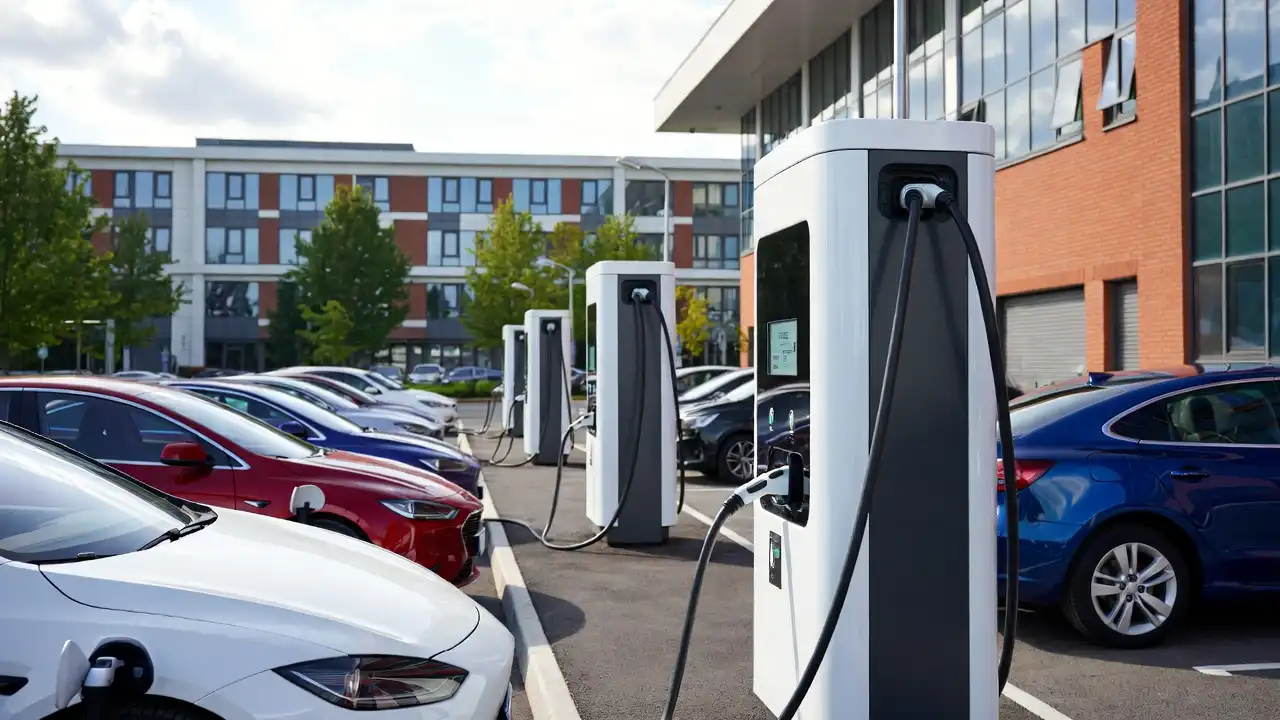
Grab, the dominant ride-hailing and delivery platform across Southeast Asia, has announced a massive infrastructure project to transform the electric vehicle (EV) landscape in Vietnam. The company is set to expand its proprietary EV charging network fifteenfold by 2028, a move designed to eliminate the primary barrier to electric adoption in the region: range anxiety. By creating a dense, accessible grid of high-speed chargers, the company aims to move thousands of its ride-hailing drivers and delivery partners away from internal combustion engines and toward sustainable electric alternatives.
For Southeast Asian nations like Vietnam, the transition to electric mobility is not just an environmental goal; it is an economic necessity. Urban centers are increasingly plagued by noise pollution and poor air quality, which drive up healthcare costs and lower the quality of life for millions. Grab’s decision to build out such an expansive network of chargers provides a plug-and-play solution for the gig economy workforce. By making it easier for drivers to charge their vehicles than it is to fill up a gas tank, the company is effectively lowering the total cost of ownership for EV drivers, making the switch to electric a smart financial move rather than just a moral one.
The technical scale of this rollout is unprecedented for a private ride-hailing firm. The network will utilize smart-grid technology to manage electricity loads during peak hours, ensuring that the surge in demand from EV charging does not destabilize the local power grid. Each charging hub is planned to feature ultra-fast chargers capable of topping up a battery in under 30 minutes, allowing drivers to get back on the road with minimal downtime. This is crucial for gig-economy workers, for whom every minute spent waiting at a charger is a minute of lost potential income.
Financial backing for this project is substantial, with the broader regional green initiative pulling in a commitment of over $1 billion from various green-bond investors and private equity partners. This capital is being deployed to secure premium real estate in high-traffic urban areas, where charging stations can be integrated into existing parking complexes, convenience stores, and shopping malls. By embedding these chargers into the daily lives of drivers—at locations where they already stop for coffee or to wait for their next ride—Grab is turning the inconvenience of charging into a frictionless part of the daily routine.
Beyond the driver experience, this expansion will have a profound impact on Vietnam’s auto market. As the charging grid becomes a common sight in every neighborhood, the psychological barrier for private car owners will eventually fall. When regular consumers see that they can easily charge a vehicle near their home or office, they become much more likely to consider an electric vehicle for their next purchase. This creates a “network effect” that extends far beyond the ride-hailing fleet, effectively boosting the adoption rate for the entire national automotive industry by an estimated 1.5% annually.
Integration with the company’s “Super-App” is the final piece of the puzzle. Drivers will be able to locate available chargers, book a charging slot, and process payments all through the same interface they use to manage their ride-hailing tasks. This level of digital integration is exactly what has made the company successful in other areas like food delivery and financial services. By controlling both the demand side (the ride request) and the supply side (the vehicle and the power), the firm is building an integrated mobility ecosystem that no traditional automaker can easily replicate.
Government officials in Vietnam are providing strong support for this build-out, viewing it as a critical infrastructure project that supports the country’s 2050 net-zero goals. The government is offering tax breaks on the import of charging hardware and fast-tracking the permitting process for new hubs. This public-private collaboration is essential, as the sheer scale of the grid upgrades requires a level of coordination that transcends simple corporate investment. By working together, the state and the tech giant are setting a precedent for how a modern, rapidly growing economy can tackle the transition to clean energy.
As the network expands, we should expect a significant increase in the sales of locally manufactured electric vehicles. Many Vietnamese automakers, recognizing the shift, are already partnering with the ride-hailing giant to develop vehicles specifically designed for the charging network. This creates a powerful domestic industry where the charging grid, the fleet of cars, and the software that connects them all work in harmony. It is a blueprint that could potentially be exported to other Southeast Asian nations, such as Indonesia or Thailand, which also face the same urgent need for a clean, efficient urban transit model.
In the long run, this 15-fold expansion is a bet on the future of urban life. Cities of the future must be quiet, clean, and connected. By providing the energy architecture today, the company is ensuring that it remains the backbone of urban transport for the next generation. As the project reaches its 2028 targets, the resulting network will likely become one of the most reliable and efficient charging grids in the world. It is a massive, ambitious industrial project, and it confirms that the future of the Southeast Asian mobility market is undeniably electric.