Key Points:
- China’s cyberspace regulator has officially approved and registered Apple Intelligence for use on iPhones.
- Alibaba’s Qwen (Tongyi Qianwen) model will be integrated directly into Apple’s operating systems for Chinese users.
- The partnership allows Apple to comply with strict domestic laws on generative AI, where foreign services like OpenAI are banned.
- Alibaba’s stock rose over 4% premarket following the approval, which also includes localized AI search contributions from Baidu.
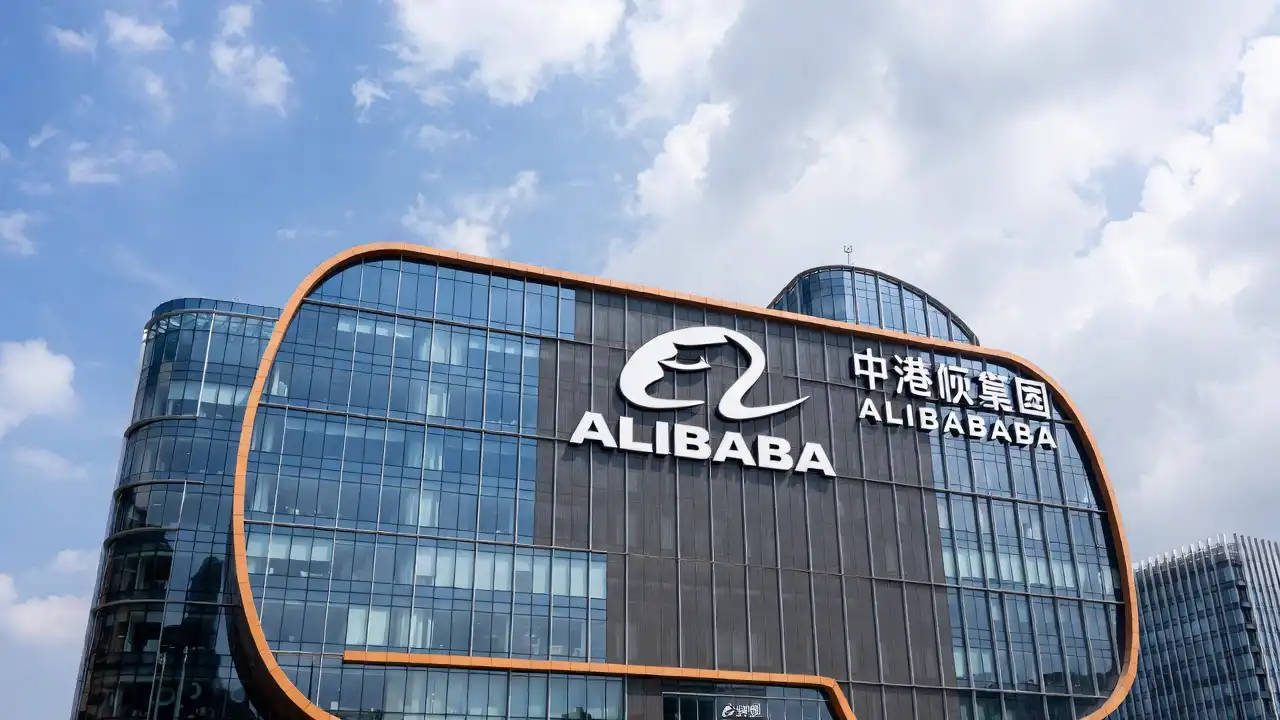
Apple’s long-delayed artificial intelligence platform has finally cleared a major regulatory hurdle in one of its most critical international markets. China’s cyberspace regulator, the Cyberspace Administration of China, has officially registered Apple Intelligence for use on iPhones, ending a multi-year effort by the technology giant to deploy its digital assistant features in the country. To comply with strict domestic laws governing generative software, the on-device system will integrate Alibaba’s Qwen artificial intelligence model to power text comprehension, image analysis, and content generation directly within the operating system.
The announcement of the regulatory green light triggered an immediate, positive reaction across global equity markets. Alibaba’s U.S.-listed shares climbed more than 4% in premarket trading to hit $119.30, reflecting strong investor enthusiasm for the partnership. Apple shares also gained approximately 1.8%, while Baidu’s stock rose 2.8% on the news of its own separate involvement. This market rally highlights how highly investors value the integration, which plugs Alibaba’s proprietary model directly into Apple’s massive, high-margin premium user base in China.
This milestone is the culmination of more than two years of intense technical and regulatory negotiation. Apple originally introduced its AI suite in June 2024, but China’s data privacy and generative AI laws prevented the immediate deployment of Western models. Because foreign services like OpenAI are banned in the country, the company had to rebuild its software suite. To prepare for the launch, engineers worked to adapt the system’s core capabilities, eventually choosing to split the workload between Alibaba’s advanced language model and localized search technologies developed by Baidu.
This deep software integration ensures that Chinese users can access next-generation AI capabilities natively on their devices without needing to download external tools. Alibaba’s Qwen model, known domestically as Tongyi Qianwen, will power real-time text summarization, document analysis, and original content generation across iOS, iPadOS, macOS, and visionOS. By embedding these capabilities directly into the operating system level, the partnership delivers exceptionally low latency and a frictionless user experience, bypassing the need to switch between third-party applications.
The technical collaboration traces back to early 2025, when both companies began optimizing their technologies for local deployment. By mid-June, the Chinese tech giant had successfully developed custom versions of its Qwen3 models that are fully compatible with Apple’s proprietary machine learning framework, known as MLX. The MLX framework serves as the underlying engine of Apple Intelligence, and rebuilding parts of the Qwen model to run natively on this engine ensures high computational efficiency and reduced battery drain for compatible hardware.
The regulatory approval occurred alongside a wider release of registrations from the Cyberspace Administration of China, which approved seven mobile on-device generative AI services for smartphones. In addition to Apple Intelligence and Samsung’s Galaxy AI, the regulatory batch included domestic offerings from local smartphone rivals, such as Huawei’s Xiaoyi, OPPO’s AndesGPT, and Vivo’s BlueCore large language models. This age-assurance and filing process is a mandatory prerequisite for any firm wishing to offer generative AI capabilities to the public in China, ensuring that all models align with state content guidelines.
Securing a local partner is critical to reversing Apple’s recent market share declines in Greater China, where local competitors like Huawei have won back premium buyers. During the second fiscal quarter, Apple’s revenue from Greater China jumped 28% year-over-year to $20.5 billion, confirming the massive stakes of the regional mobile market. By successfully delivering its overhauled Siri and on-device writing tools through a highly respected local partner, the company can actively defend its premium hardware margins against domestic brands that already offer integrated AI services.
While Alibaba’s Qwen model handles the heavy lifting for language and image understanding, Baidu is also contributing specialized features to the local operating ecosystem. Baidu has partnered with the hardware giant to develop specific AI search functionalities, such as Visual Intelligence, which allows users to analyze real-world objects through their device’s camera. This dual-partner strategy allows the American tech firm to leverage the unique strengths of both Chinese tech giants, delivering a highly comprehensive, fully compliant user experience.
The deal also highlights the complex geopolitical realities of modern technology partnerships. The collaboration is progressing during a period of intensifying competition between American and Chinese artificial intelligence firms, with both nations exploring ways to curb the adoption of foreign software systems. By working with established domestic giants that already possess the necessary government approvals, the American company successfully avoided geopolitical friction, proving that international technology firms must prioritize local cooperation to operate globally.
Ultimately, the integration of Alibaba’s Qwen model into Apple Intelligence represents a major milestone in the global commercialization of artificial intelligence. By successfully navigating China’s strict regulatory maze, the technology giant has safeguarded its most important international hardware market while giving Alibaba direct access to hundreds of millions of premium consumer devices. As the official rollout date approaches, the success of this localized, multi-model architecture will likely serve as a template for other global tech firms seeking to balance international innovation with national sovereignty.