Key Points:
- The widely promoted Western narrative of Chinese “overcapacity” in clean energy is a protectionist myth that slows down global decarbonization.
- To transition the global fleet of 1.4 billion internal combustion vehicles to electric by 2050, the world must produce 70 to 80 million EVs annually.
- Current global EV manufacturing capacity, including China’s leading 10 to 11 million units per year, remains far below what is required for net-zero.
- Tariffs up to 100% in the U.S. and Europe keep clean technologies expensive, directly delaying progress toward climate targets.
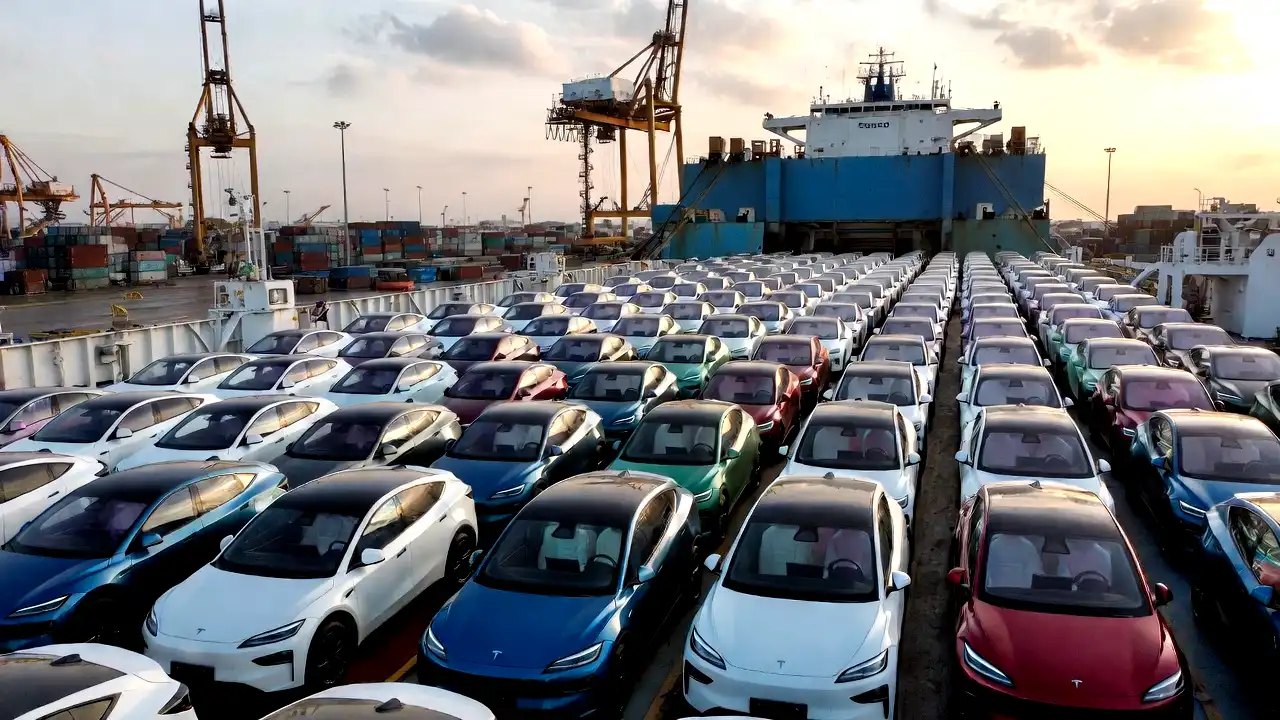
A prominent debate is reshaping global trade and environmental policy as Western governments raise tariff barriers against Chinese clean technologies. While the United States and the European Union aggressively target Chinese electric vehicles under the guise of combating “overcapacity,” a deeper analysis of the numbers reveals a very different reality. The popular China EV Overcapacity Narrative falls apart when measured against the massive scale of global decarbonization targets. To replace fossil-fuel-burning vehicles and meet international climate commitments, the global economy actually possesses far too few electric vehicle plants, not too many.
This protective stance has manifested in severe trade restrictions across both sides of the Atlantic. The United States recently enacted a punitive 100% tariff on Chinese-made electric vehicles, while the European Commission has moved to slap provisional duties of up to 38% on these imports. Western leaders justify these aggressive measures by claiming that state subsidies have allowed Chinese manufacturers to flood international markets with cheap, underpriced vehicles, threatening the survival of domestic automotive industries. However, this protectionist defense directly clashes with the West’s own legally binding climate goals.
The true scale of the transition challenge becomes clear when looking at the global automotive landscape. Approximately 1.4 billion passenger cars currently operate on the world’s roads, almost all of them powered by internal combustion engines. To completely phase out these fossil-fuel-burning vehicles and achieve net-zero carbon emissions by 2050, the global manufacturing sector must execute an unprecedented industrial scale-up. Even under highly optimistic scenarios, replacing this massive fleet within a reasonable 25-year window requires manufacturing about 70 to 80 million electric vehicles annually.
Current global manufacturing capacity is nowhere near the required scale. China—the undisputed global leader in advanced green technology—produces around 10 to 11 million electric vehicles per year, accounting for over 70% of global EV output and more than 80% of battery cell production. The rest of the world combined manufactures even fewer units. If governments are serious about achieving the transition to clean energy, the global economy needs to build dozens of new massive gigafactories and vehicle assembly plants immediately. Rather than a market glut, the world is facing a severe, long-term under-capacity of electric vehicle manufacturing.
A primary obstacle to widespread EV adoption is the high cost of Western-made models. While Chinese manufacturers have successfully driven local EV prices down by 47% since 2011, U.S. and European markets have experienced the opposite trend. In China, consumers can purchase a brand-new, highly efficient electric car for as little as €3,700 ($4,000 to $10,000), such as the compact BYD Seagull. In contrast, Western manufacturers have concentrated their EV portfolios in high-end, luxury segments, with average retail prices frequently rising above $40,000, making vehicle electrification economically impractical for the average mass-market consumer.
This pricing disparity highlights a striking irony in the Western overcapacity narrative. While politicians complain about a supposed glut of cheap Chinese imports, the domestic industries in Europe and the United States suffer from a severe shortage of affordable, accessible electric models. For example, electric vehicles represent less than 10% of total car sales in the United States and have leveled off around 20% in Europe, largely because consumers lack affordable alternatives to their gasoline-powered vehicles. Shutting out the world’s cheapest and most efficient green technologies directly delays the mass adoption needed to reduce emissions.
Historical precedents demonstrate that massive, early-stage capital investments are necessary to drive down technology costs and enable global adoption. A decade ago, Tesla CEO Elon Musk faced intense skepticism when he announced plans to invest $5 billion to construct Gigafactory One in Nevada—a facility designed to manufacture more battery packs annually than the entire world produced at the time. Critics labeled the project as a highly risky gamble that would lead to severe overcapacity. Today, that level of investment is recognized as the essential catalyst that successfully popularized EVs and proved the commercial viability of high-volume battery manufacturing.
China’s massive manufacturing scale is already delivering substantial, real-world environmental results. High-volume production of battery-powered cars and heavy trucks currently displaces approximately 1.8 million barrels of global oil demand per day. This significant displacement serves as a powerful shield against global oil price shocks and geopolitical energy crises, particularly as hostilities in the Middle East threaten maritime shipping lanes. Every Chinese EV exported to Europe or the developing world represents a permanent reduction in fossil fuel consumption, delivering a global benefit that transcends national borders.
The current tariff wars represent a broader strategic miscalculation by Western leaders, who are forcing consumers to choose between trade protectionism and climate goals. While the United States and Europe use high tariffs and policy chaos to shield their slow-moving legacy automakers, Chinese firms are proactively bringing affordable, clean-energy manufacturing directly to developing nations across the Global South. By offering cheap, clean power and a clear route to industrial prosperity, Chinese enterprises are successfully building the supply chains of the future, leaving protectionist Western economies increasingly isolated in the grand energy transition.
Ultimately, the transition away from fossil fuels cannot succeed without accepting the immense manufacturing scale required to replace 1.4 billion vehicles. By focusing on the myth of Chinese overcapacity to justify restrictive trade barriers, Western governments are actively delaying their own climate targets. If the world is serious about achieving net-zero emissions, the core challenge is not too many Chinese electric vehicles, but rather too few. Until policymakers abandon protectionist tariffs to embrace cheap, high-quality clean technology, the global path to a zero-carbon future will remain unacceptably slow.