Key Points:
- Tesla won an appeal in London to revive its 5G patent licensing lawsuit against InterDigital and Avanci.
- The ruling allows UK courts to determine fair, reasonable, and non-discriminatory (FRAND) terms for 5G vehicle patent pools.
- Tesla challenged Avanci’s non-negotiable $32 per-vehicle fee, calling it more than double 4G licensing rates.
- The legal decision creates a major precedent for global automakers negotiating connected vehicle patent royalties.
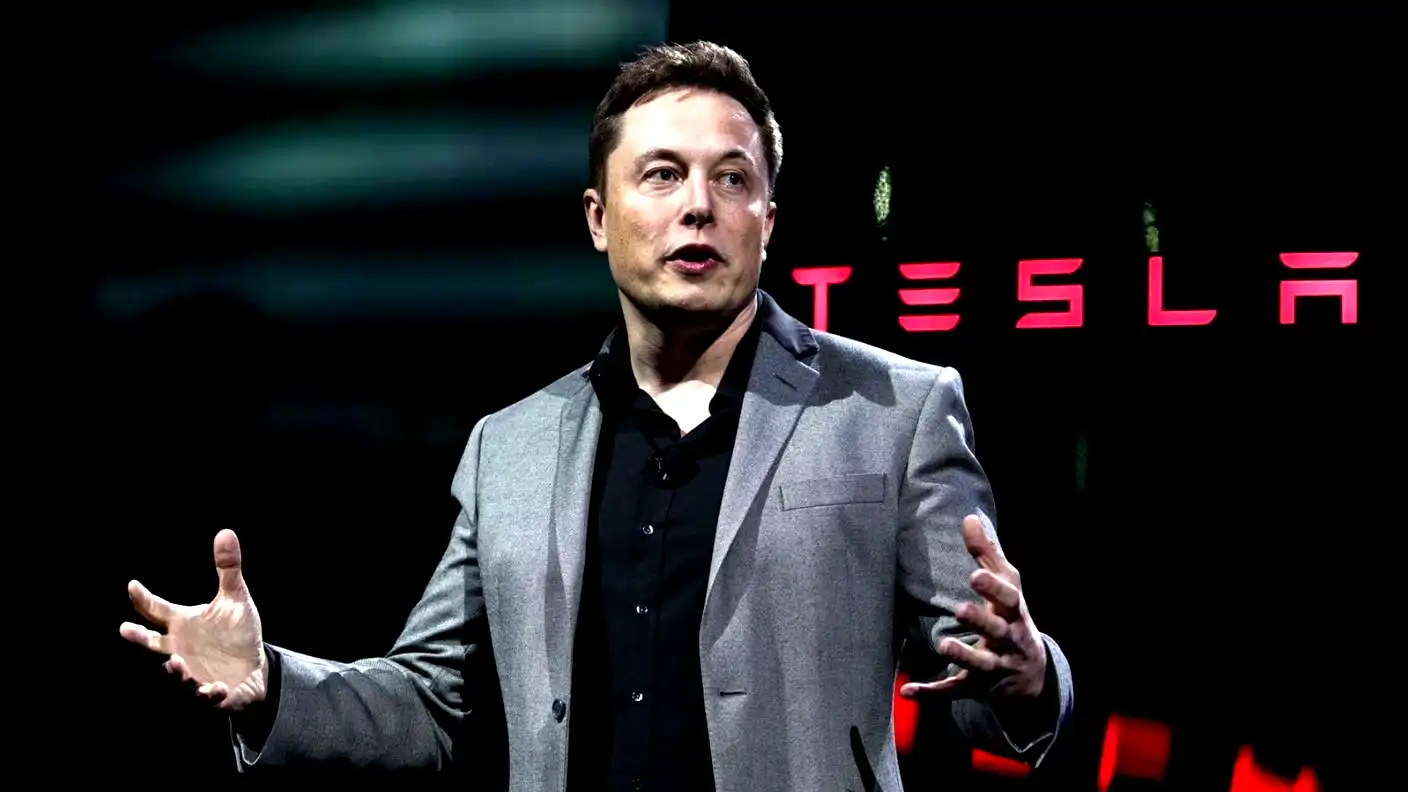
Electric vehicle leader Tesla Inc. has secured a major legal victory in London, winning an appellate decision to revive its high-stakes lawsuit against wireless technology firm InterDigital and patent licensing platform Avanci. The higher court ruling allows English courts to establish fair, reasonable, and non-discriminatory (FRAND) licensing terms for 5G standard-essential patents across Avanci’s automotive platform. The legal victory clears a path for Tesla to challenge pool-wide patent royalties ahead of its planned launch of 5G-connected electric vehicles in the United Kingdom.
The appellate decision reverses a previous lower court ruling that dismissed Tesla’s lawsuit on jurisdictional grounds. Lower court judges originally held that British courts lacked statutory authority to set global FRAND licensing rates for an entire patent pool containing thousands of overseas patents. However, the higher court overturned that dismissal, confirming that English judges possess jurisdiction to determine whether patent pool platforms offer fair commercial terms to automotive manufacturers seeking 5G vehicle connectivity.
At the heart of the legal battle lies a sharp commercial dispute over 5G patent licensing costs. Avanci, which acts as a central licensing agent for roughly 65 wireless patent owners, offers a standard 5G connected vehicle platform license at a flat rate of $32 per vehicle. Tesla’s legal team argued that Avanci’s $32 fee represents an excessive, non-negotiable demand that far exceeds fair market rates. Tesla noted that paying $32 per car represents more than double the $15 per vehicle fee automakers previously paid for 4G telematics licenses.
Avanci’s 5G automotive platform represents one of the largest technology patent pools in the global telecommunications industry. The platform covers approximately 170,000 declared standard-essential patents spanning 2G, 3G, 4G, and 5G cellular standards, including roughly 11,900 UK-designated patents. Major wireless development firms—including InterDigital, Qualcomm, Nokia, and Ericsson—pool their patents through Avanci to streamline licensing negotiations with global automakers rather than negotiating individual bilateral agreements with each car manufacturer.
Tesla originally launched its lawsuit in London’s High Court in late 2023 as part of a broader strategy to secure predictable 5G licensing costs. In court filings, Tesla confirmed that it plans to integrate native 5G connectivity across its Model 3, Model Y, Cybercab, and next-generation vehicle fleets in Britain and Europe. 5G connectivity enables ultra-fast over-the-air software updates, real-time video streaming for Full Self-Driving neural networks, and advanced vehicle-to-everything communication with smart city infrastructure.
Defense attorneys representing InterDigital and Avanci argued that the London case should face outright dismissal, contending that any complex patent pool litigation belongs in United States federal courts. Lawyers for InterDigital claimed that individual patent holders cannot force an independent pool administrator like Avanci to alter its global platform rates. However, the appellate court rejected these jurisdictional objections, establishing that when patent owners voluntarily pool their intellectual property to target UK commercial markets, English courts can evaluate whether those pool rates comply with international FRAND undertakings.
The legal precedent set by Tesla’s victory extends far beyond Elon Musk’s company, offering immense leverage to global automotive manufacturers. Car companies transitioning to connected electric vehicles face mounting licensing demands from telecommunications patent holders. By confirming that courts can evaluate whole patent pools under FRAND rules, the decision prevents licensing platforms from imposing non-negotiable flat-rate fees on carmakers under threat of patent infringement lawsuits and sales injunctions.
As automotive technology advances, high-speed cellular connectivity has become as essential to modern vehicles as electric drivetrains and lithium-ion batteries. Connected cars rely on 5G standards to transmit real-time telemetry, manage battery health, run autonomous driving simulations, and provide in-cabin infotainment services. Establishing court-determined FRAND royalty rates in the UK provides automakers with cost predictability, allowing engineering teams to deploy 5G hardware across entry-level electric vehicles without absorbing unpredictable licensing penalties.
Tesla’s successful appeal positions London as a primary global venue for resolving complex, multi-party standard-essential patent disputes. As artificial intelligence, Internet of Things devices, and autonomous transportation depend increasingly on standardized 5G and future 6G telecommunications networks, intellectual property courts in the UK, Europe, and Asia are reshaping how patent pools operate. The revived lawsuit will now proceed to trial in London’s High Court, where judges will evaluate economic data to determine true FRAND royalty rates for 5G-connected vehicles.