Key Points:
- Nvidia CEO Jensen Huang published his first-ever X post advocating for open-weight artificial intelligence.
- A coalition of 25 technology leaders warned Washington that banning open-source AI will harm competitiveness.
- Open-weight models cut operational compute costs by up to 80% for startups, universities, and sovereign nations.
- Closed-source developers, OpenAI, Anthropic, and Google declined to sign the joint industry petition.
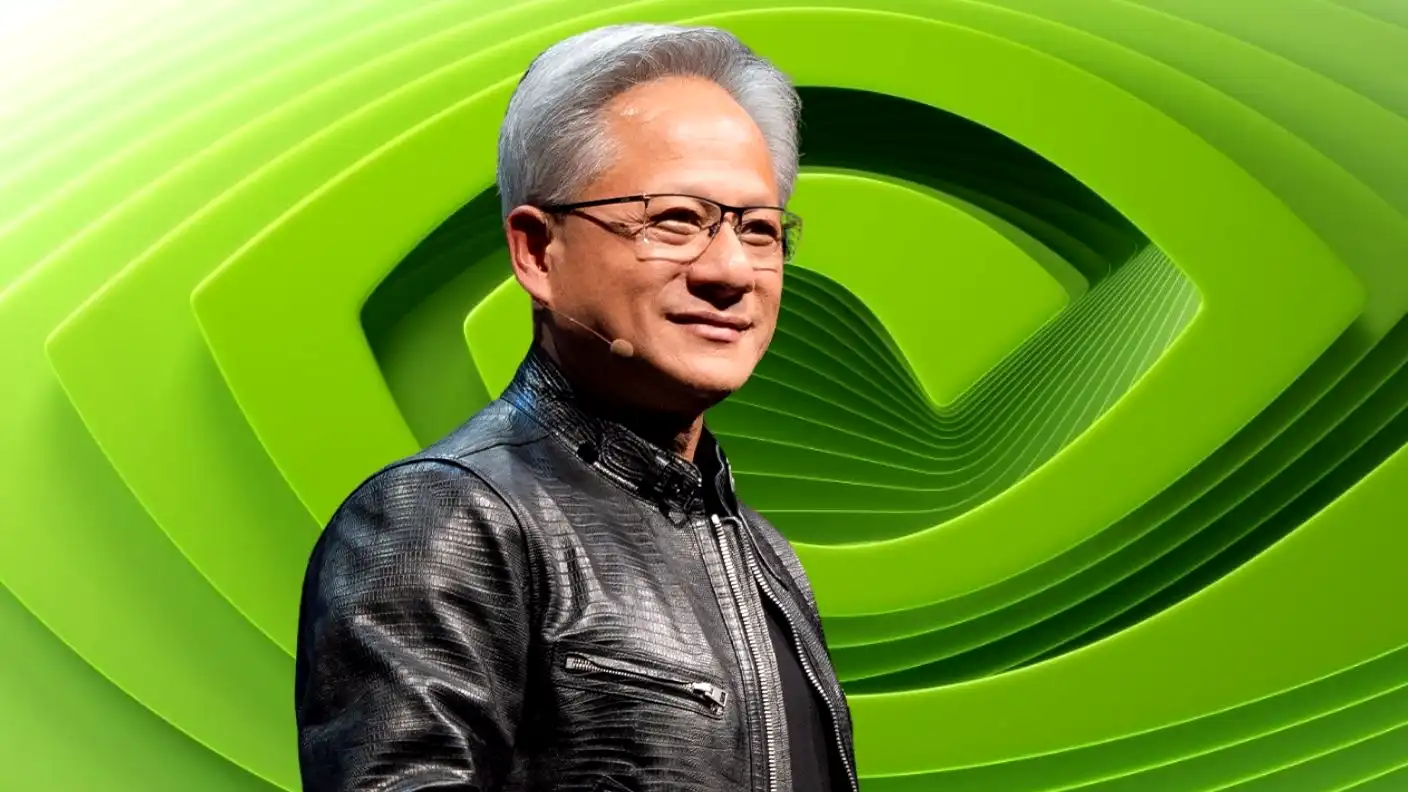
Nvidia Corporation Chief Executive Officer Jensen Huang has issued a powerful public plea to government leaders, urging international policymakers to protect open-weight artificial intelligence models from restrictive federal regulations. Joining a unified coalition of 25 technology chief executives, venture capital directors, and open-source advocates, Huang published an open letter titled “Open Weights and American AI Leadership.” The joint declaration warns that enacting premature bans or sweeping restrictions on open-weight software will stifle developer innovation, harm economic growth, and weaken global cybersecurity defenses.
Huang highlighted the campaign by publishing his first-ever social media post on platform X, attracting over 11 million views within hours of publication. The semiconductor leader declared that artificial intelligence will transform every industry, power every business, and serve every sovereign nation. Huang emphasized that the world requires a balanced technological landscape featuring both cutting-edge closed proprietary models and high-performing open-weight models. He asserted that open-source models strengthen digital safety, accelerate scientific diffusion, and give individual countries true technological sovereignty.
The policy petition represents one of the most powerful corporate alliances formed during the generative artificial intelligence era. Alongside Huang, the letter features signatures from top technology leaders, including Microsoft Chairman Satya Nadella, Meta Platforms CEO Mark Zuckerberg, IBM CEO Arvind Krishna, Palantir CEO Alex Karp, and Hugging Face CEO Clement Delangue. Institutional support came from major venture capital firms Andreessen Horowitz and Y Combinator, alongside non-profit software organization the Linux Foundation.
The coalition’s letter clearly defines the structural difference between open-weight models and closed proprietary platforms. Open-weight AI models publish their underlying mathematical weights freely online, allowing developers, university researchers, and enterprise IT teams to download, inspect, and host the software on private server hardware. In contrast, closed-source providers like OpenAI and Anthropic keep their underlying code strictly confidential, requiring enterprise clients to access models through paid application programming interfaces (APIs) hosted in centralized cloud data centers.
From an economic perspective, the alliance argued that open weights democratize access to the modern digital economy. Building a frontier foundation model from scratch requires hundreds of millions of dollars in graphics processing units and electricity. However, by taking pre-trained open weights—such as Meta’s Llama series—startups and small businesses can fine-tune the architecture for specialized medical, legal, or industrial tasks at a fraction of the cost. Industry benchmark studies indicate that running fine-tuned open-source models on local hardware slashes operational compute costs by up to 80% compared to paying recurring closed-API token fees.
The signatories drew a direct historical parallel between artificial intelligence regulation and the open-source software movement of the 1980s. The letter recalled how early software pioneers successfully resisted corporate efforts to restrict open-source code. Today, open-source Linux kernel architecture underpins the vast majority of global internet routing, enterprise cloud servers, and mission-critical military defense networks. The tech leaders argued that American technological dominance has always depended on open software ecosystems that allow global developers to build on top of core innovation.
Addressing national security concerns directly, the coalition argued that open-weight models actively enhance cybersecurity resilience. When software code remains open for public inspection, thousands of independent security researchers worldwide can test model architectures, identify hidden zero-day vulnerabilities, and publish safety patches far faster than closed corporate laboratories. The alliance warned that forcing the global economy to depend on a small handful of closed-source AI platforms creates dangerous single points of failure across critical national infrastructure.
Huang’s public intervention arrives as Washington policymakers debate how to handle international technological competition. Federal trade officials and White House advisers have evaluated potential restrictions on foreign open-weight models, pointing to Chinese developers like Moonshot AI, creator of the 2.8-trillion-parameter Kimi K3 model. While national security hawks worry that open weights could facilitate cyberattacks or allow foreign rivals to clone American technology, the 25 tech signatories maintained that banning open-source code will only isolate American developers while foreign competitors continue open-source development unabated.
The signatures on the open letter exposed a deep strategic divide within Silicon Valley. Major closed-model developers—including OpenAI, Anthropic, and Google—conspicuously declined to sign the joint statement. Industry analysts note that closed-source providers benefit commercially when regulatory barriers restrict open-weight distribution, as corporate customers remain locked into paid API subscriptions. However, OpenAI Chief Executive Officer Sam Altman publicly shared Huang’s post, expressing general support for American leadership across both open and closed artificial intelligence platforms.
Jensen Huang’s vocal endorsement of open-weight artificial intelligence marks a watershed moment in technology policy. By uniting semiconductor manufacturers, cloud platforms, cybersecurity providers, and venture capital investors behind open weights, the coalition has built a formidable wall against government over-regulation. As Congress and federal agencies draft future digital policies, the tech industry’s message remains clear: protecting open-source innovation is essential for maintaining market competition, advancing scientific discovery, and securing long-term technological leadership.