Key Points:
- British automotive industry leaders warned that aggressive expansion by Chinese automakers is crushing domestic rivals.
- Affordable Chinese electric vehicles are flooding the United Kingdom market, undercutting legacy European brands.
- Traditional UK car factories face immense pressure to slash production costs or risk permanent closures.
- Industry executives called for government support and trade policies to protect domestic manufacturing jobs.
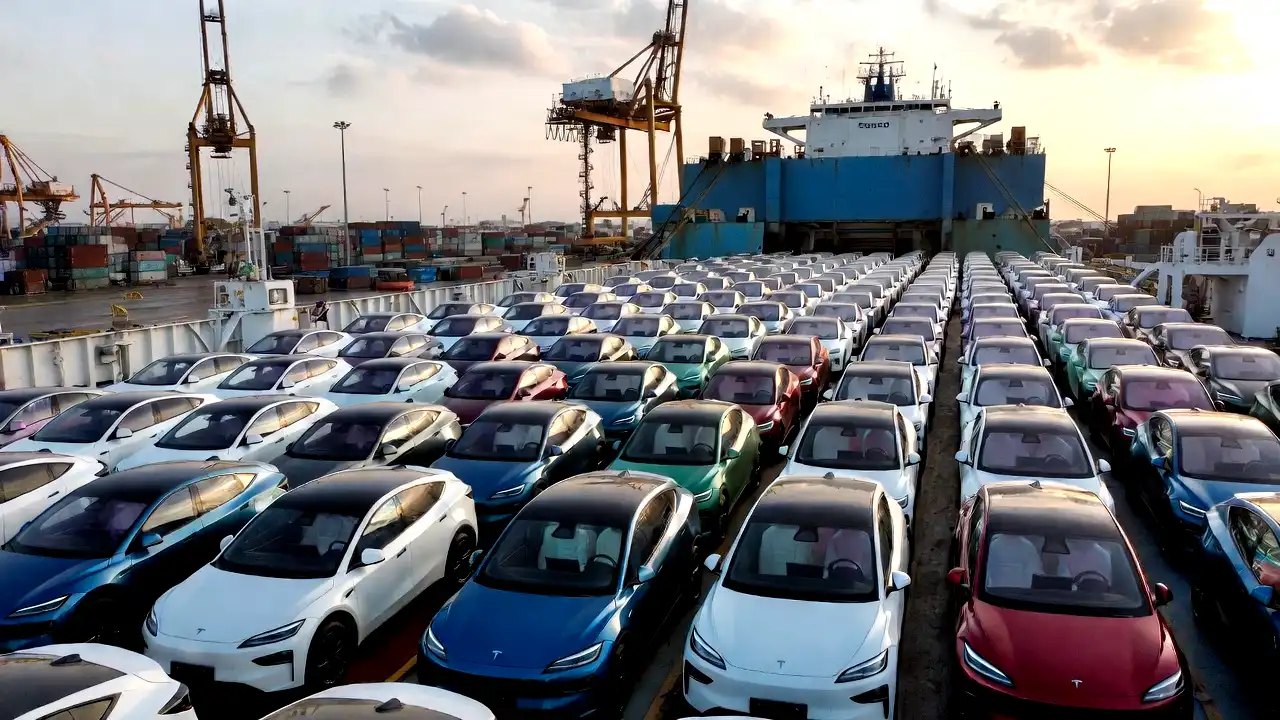
British automotive industry leaders have issued a stark warning that aggressive expansion by Chinese electric vehicle manufacturers is placing unprecedented pressure on United Kingdom carmakers. Speaking at a manufacturing and trade association briefing, senior automotive executives stated that affordable, high-tech Chinese electric cars are flooding British showrooms, rapidly capturing market share from legacy European brands. The intense competitive wave threatens to disrupt decades of established manufacturing traditions across the United Kingdom.
The warning underscores a profound structural transformation sweeping across the British automotive market. Chinese electric vehicle giants—including BYD, Great Wall Motor, Chery, and SAIC Motor under the MG brand—have launched aggressive retail campaigns across Britain. Offering advanced battery technology, digital entertainment cockpits, and consumer price tags significantly lower than equivalent Western models, Chinese brands have transformed from niche market entrants into dominant commercial competitors in record time.
Traditional United Kingdom automotive manufacturers and heritage brands struggle to match the aggressive pricing strategies of Chinese competitors. Decades of entrenched labor costs, expensive supply chain legacy systems, and high European manufacturing overhead make it exceptionally difficult for legacy European automakers to compete with vehicles built inside vertically integrated Chinese mega-factories. Consequently, British car dealerships report that showroom foot traffic is shifting rapidly toward Chinese electric vehicle models.
The aggressive market penetration by Chinese brands creates immediate operational risks for domestic vehicle assembly plants and local component suppliers across England. Industry analysts warn that if British automotive companies fail to accelerate their own affordable electric vehicle development programs, legacy domestic plants face severe production cutbacks, restructuring, and potential plant closures. The manufacturing crisis threatens thousands of skilled engineering and factory jobs tied directly to the automotive supply chain.
Automotive trade association leaders are urging government officials to implement stronger policy measures and strategic industrial support to safeguard domestic manufacturing capacity. While the United Kingdom maintains a relatively open market policy regarding foreign automotive imports, industry groups argue that unfair state subsidies enjoyed by overseas manufacturers distort fair competition. Executives want policymakers to consider tariff protections, localized battery manufacturing incentives, and consumer purchase grants to help British brands remain viable.
Despite mounting competitive pressures, some traditional carmakers are adapting by pursuing joint ventures, shared component sourcing, and aggressive retail financing incentives. However, industry insiders acknowledge that incremental adjustments are no longer sufficient to stop the Chinese electric vehicle surge. Surviving the current market shift requires radical cost-cutting, faster vehicle design cycles, and massive investments in next-generation battery architecture.
The intense pressure facing British carmakers mirrors a broader continental crisis unfolding across Europe. Regulators in Brussels and London are evaluating trade policies to balance consumer demand for affordable green technology against the economic necessity of preserving domestic industrial manufacturing. As electric vehicle adoption accelerates toward national net-zero targets, the competitive battle between British legacy brands and Chinese manufacturing giants will dictate the future of the United Kingdom automotive sector.