Key Points:
- SpaceX instituted strict supply chain rules to block Chinese-manufactured parts and restrict Chinese nationals.
- The aerospace manufacturer cited national security compliance and sensitive defense contracts as primary drivers.
- Suppliers face rigorous audits to verify that no components originate from mainland China or restricted entities.
- The sweeping policy shift impacts global aerospace suppliers attempting to work with Starship and Starlink programs.
SpaceX has implemented sweeping new supply chain restrictions designed to purge Chinese-manufactured components and limit the involvement of Chinese nationals across its aerospace manufacturing network. Driven by sensitive defense contracts, federal security clearances, and multi-billion-dollar government space programs, Elon Musk’s rocket company is enforcing rigorous compliance rules across its entire vendor ecosystem. The strict corporate policy reflects growing anxiety over national security and intellectual property protection within America’s critical defense industrial base.
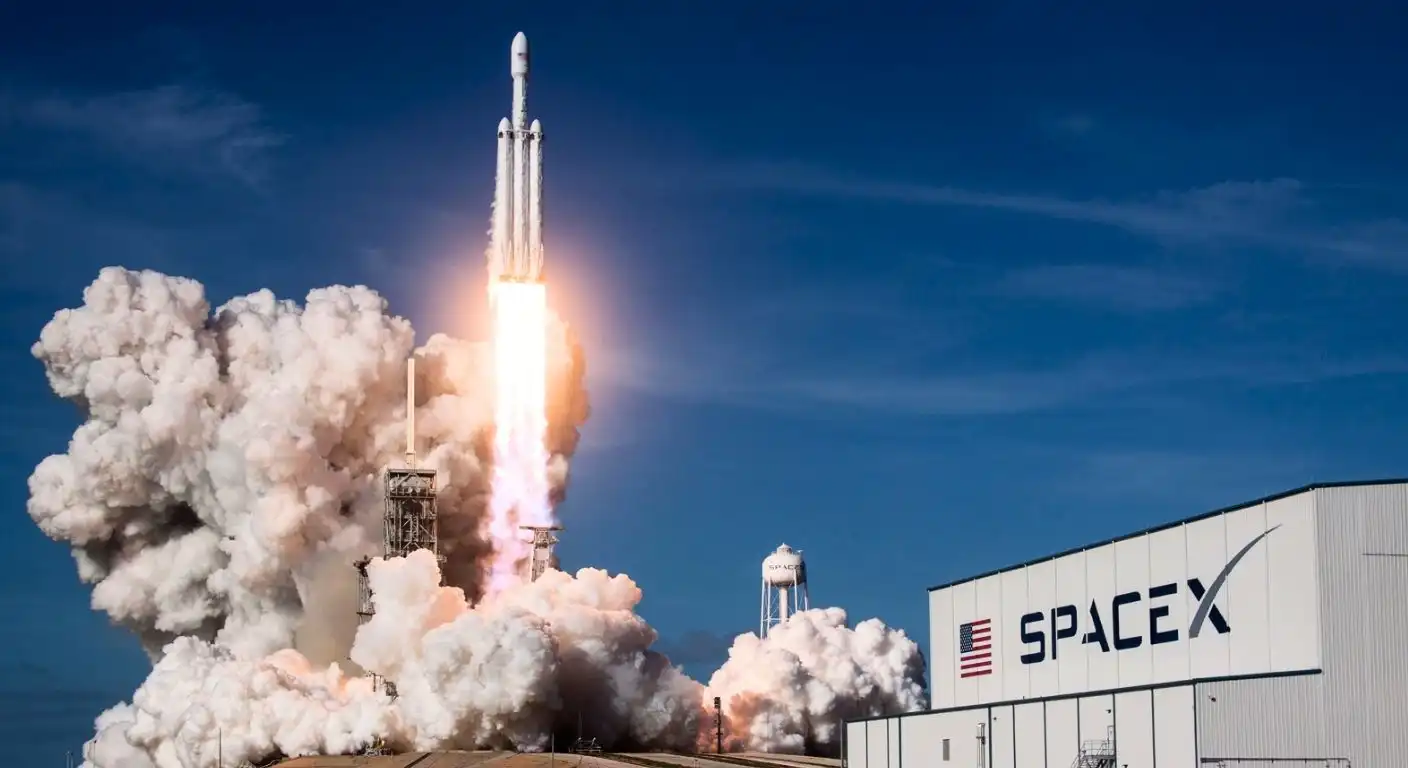
Under the updated procurement mandates, tier-one and tier-two suppliers providing hardware for the Starship rocket, Falcon 9 booster fleet, and Starlink satellite constellation must certify that zero raw materials, sub-assemblies, or electronic chips originate from mainland China. SpaceX instituted mandatory audits and digital traceability requirements, forcing component makers to map their sub-tier supply chains down to raw material smelters. Vendors that fail compliance checks face immediate contract terminations and removal from future launch manifests.
Beyond hardware restrictions, SpaceX tightened personnel and engineering security protocols regarding Chinese nationals working on sensitive aerospace designs. While the company already complies with strict United States International Traffic in Arms Regulations (ITAR), the expanded internal measures restrict access to proprietary computer-aided design files, propulsion schematics, and flight software repositories. Engineers and subcontractors must undergo enhanced background vetting to ensure compliance with federal defense trade rules.
The supply chain overhaul arrives as SpaceX handles an increasing volume of classified national security payloads for the United States Department of Defense, NASA, and the National Reconnaissance Office. With multi-billion-dollar military contracts underpinning critical satellite networks like the National Security Space Launch program, federal regulators require absolute supply chain visibility. Eliminating reliance on Chinese electronics and raw materials ensures that foreign adversaries cannot compromise launch hardware or embed malicious software telemetry into orbital systems.
The aggressive decoupling effort creates significant friction for global aerospace manufacturing. For decades, international aerospace supply chains depended heavily on specialized Chinese machine shops and raw metal processors due to their cost efficiency and production scale. By abruptly banning Chinese components, SpaceX forced its suppliers to scramble for alternative manufacturing partners in North America, Mexico, and allied European nations, temporarily increasing component costs and lengthening production timelines.
Despite short-term logistical hurdles, industry analysts view the move as an inevitable trajectory for private defense contractors operating in an era of heightened geopolitical tension. As the United States and China compete for supremacy in artificial intelligence, aerospace, and orbital infrastructure, American defense authorities are cracking down on vulnerabilities in military supply chains. SpaceX’s proactive purge sets a strict benchmark that other defense tech contractors will likely follow.
SpaceX’s decisive action underscores how geopolitical fragmentation is permanently reshaping global technology manufacturing. By completely insulating its supply chain from Chinese hardware and restricting sensitive engineering access, SpaceX is protecting its core innovations while solidifying its status as a trusted partner for the United States military. As Starship prepares for upcoming orbital test flights, every bolt, circuit board, and sensor flying into space will carry guaranteed domestic and allied pedigree.