Key Points:
- The Canadian government approved a major new nickel mine project in Northern Ontario to secure critical minerals.
- The multi-million-dollar mining development aims to supply high-purity nickel directly to the electric vehicle battery supply chain.
- Federal and provincial regulators fast-tracked environmental approvals to reduce Western dependence on foreign mineral processors.
- Indigenous partnerships and sustainable extraction frameworks form a central pillar of the new mining operations.
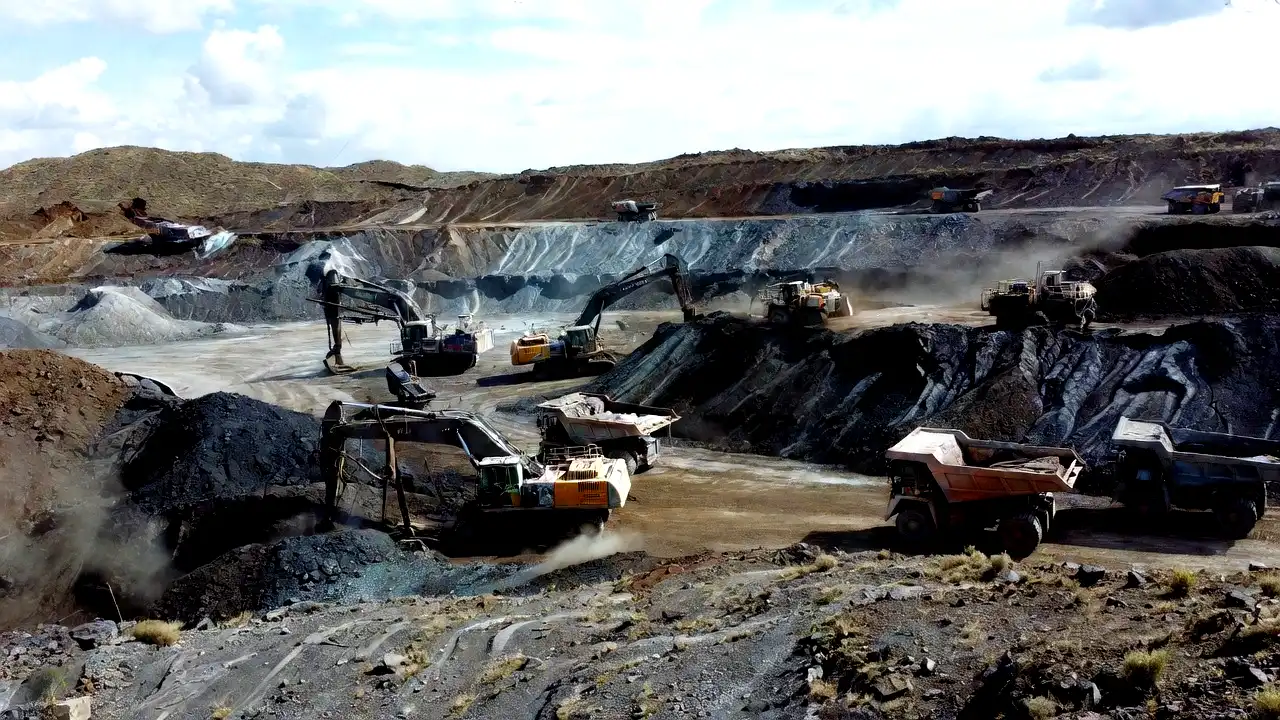
The Canadian federal and provincial governments have officially approved a massive new nickel mining project in Northern Ontario, marking a significant milestone in North America’s push to secure critical raw materials for the electric vehicle revolution. Designed to supply high-purity battery-grade minerals directly to domestic and international electric vehicle manufacturing hubs, the multi-million-dollar development aims to strengthen regional supply chain resilience and reduce Western reliance on foreign mineral processing monopolies.
The newly sanctioned nickel deposit ranks among the most promising undeveloped mineral reserves in North America. Geological surveys indicate that the Northern Ontario site holds extensive reserves of high-grade sulfide nickel, a vital chemical component required for manufacturing high-density lithium-ion batteries. As automobile manufacturers scale up electric vehicle production across the United States and Canada, securing a reliable, localized supply of ethically mined nickel has become an urgent strategic priority for industrial policymakers.
Environmental and regulatory authorities worked closely with mining developers to establish rigorous oversight standards for the project. Regulators fast-tracked environmental assessments while maintaining strict protections for local watersheds, boreal forests, and wildlife habitats. Mining executives committed to deploying low-emission extraction equipment, utilizing electric-powered underground mining vehicles, and integrating advanced wastewater treatment systems to minimize the environmental footprint of the extraction process.
A core component of the project’s success involves establishing formal partnership agreements with local Indigenous communities. Mining developers negotiated equity sharing, employment guarantees, and environmental monitoring protocols with First Nations leaders whose traditional territories encompass the mining zone. Establishing cooperative economic frameworks ensures that regional Indigenous populations share directly in the financial benefits and long-term prosperity generated by the natural resource development.
The approval arrives at a critical juncture for the global clean energy transition. Western governments face intense geopolitical pressure to decouple critical mineral supply chains from dominant overseas processors, particularly in nations like China that control a vast majority of global nickel refining capacity. By approving domestic projects like the Northern Ontario nickel mine, Canada is positioning itself as a trusted, secure supplier of the raw materials powering the future of global clean transportation.
Financing and construction schedules for the Northern Ontario mine are already underway, with heavy equipment mobilization slated to begin in the coming months. Mining engineers estimate that initial commercial production will commence within a few years, ramping up output to feed battery cell manufacturing plants currently under construction across North America. The project is expected to create hundreds of high-paying local jobs, injecting substantial economic vitality into regional Ontario communities.
As global demand for electric vehicles and grid-scale energy storage systems accelerates, nickel remains an irreplaceable commodity for clean energy technology. Canada’s formal approval of the Northern Ontario mine demonstrates a clear national commitment to building a secure, sustainable domestic mining sector. By combining rich geological resources with rigorous environmental standards and strong Indigenous partnerships, Canada is laying the physical foundation for the clean energy economy of tomorrow.