Key Points:
- A new nuclear power unit utilizing China’s domestically designed Hualong One technology began commercial operation in Guangdong Province.
- The launch of the No.2 unit marks the full completion of the first phase of the Taipingling nuclear power plant.
- Together, the two operational units will generate over 18 billion kilowatt-hours of clean electricity annually.
- The project successfully cuts carbon dioxide emissions by 16.63 million tonnes each year, supporting national green energy targets.
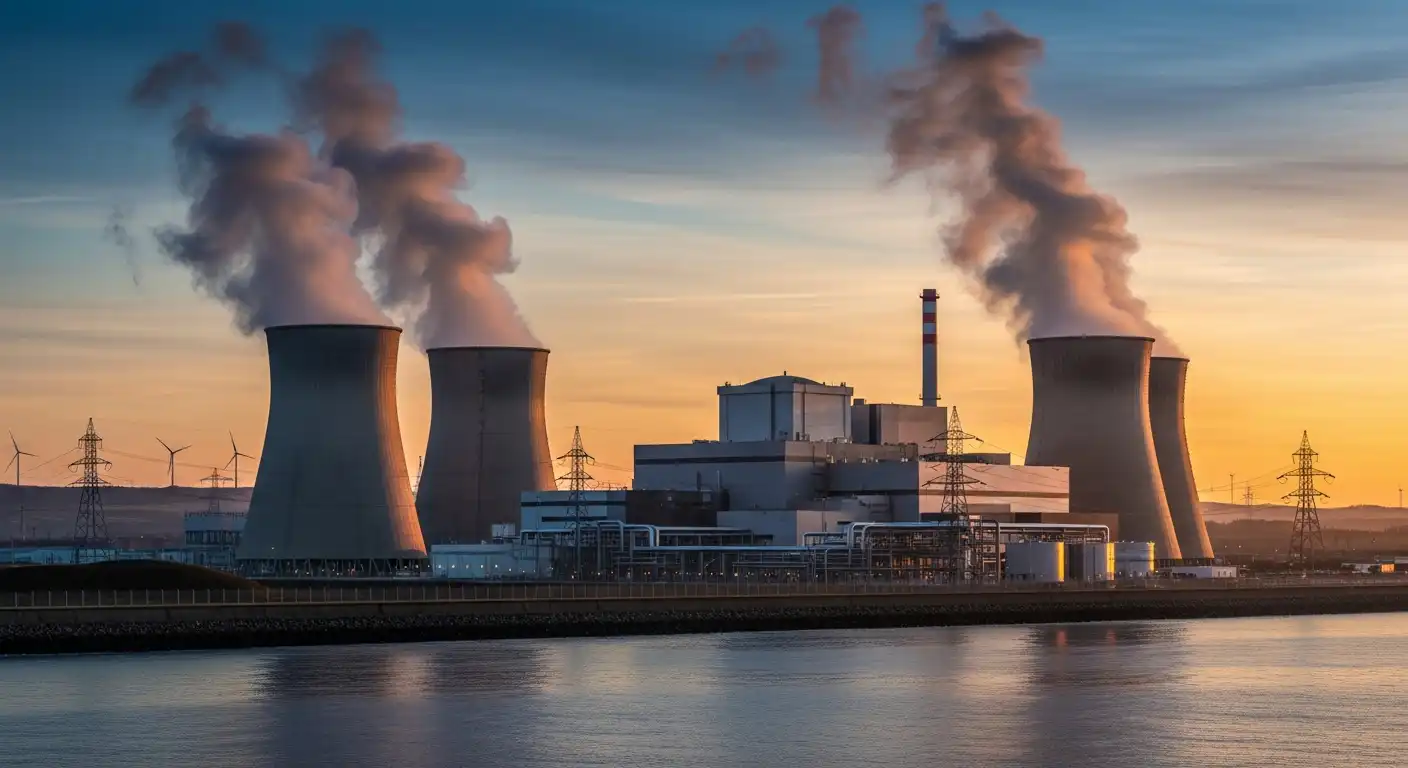
China continues to expand its clean energy infrastructure with a major milestone in nuclear power generation. A newly completed nuclear power unit powered by the domestically designed Hualong One reactor officially entered commercial operation in Guangdong Province. Operated by the China General Nuclear Power Corporation, this milestone marks the full completion of the first phase of the Taipingling nuclear power plant, establishing it as the first nuclear project in the Greater Bay Area to adopt this advanced third-generation reactor technology.
The newly commissioned No.2 unit follows the successful launch of its sister reactor, the No.1 unit, which began commercial generation earlier in the year. Located in Huidong County within the city of Huizhou, the broader Taipingling master plan intends to house six Hualong One reactors upon final completion. Regulatory authorities approved the first two units in April 2019, and construction on the second unit began in October 2020, culminating in this efficient commercial rollout.
Environmental metrics for the completed first phase highlight massive contributions to regional decarbonization. Company executives report that the two active reactors will generate more than 18 billion kilowatt-hours of electricity every year. This massive output provides enough reliable power to support nearly 2 million residents while cutting carbon dioxide emissions by 16.63 million tonnes annually. This reduction plays an essential role in advancing national carbon neutrality goals.
The Hualong One reactor represents a major achievement for domestic engineering, meeting the highest international safety standards. Industry experts note that the successful integration of this indigenous technology strengthens the clean energy supply chain across the Guangdong-Hong Kong-Macao Greater Bay Area. As regional power demand climbs due to rapid industrial growth and digital data center expansion, reliable baseload nuclear energy ensures long-term grid stability.
National energy planning documents outline aggressive goals for the nuclear sector as part of a broader transition toward low-carbon systems. Government strategies emphasize developing nuclear power in a proactive and orderly manner while prioritizing absolute safety. Projections indicate that the country aims to reach roughly 110 gigawatts of installed nuclear capacity by the end of the decade. Furthermore, commercial units in operation will exceed 100 as new builds come online to replace older fossil fuel generation.
This commercial milestone reflects a broader industrial momentum toward sustainable energy independence. By deploying advanced third-generation reactors at scale, the country secures a reliable blueprint for future power generation. As additional units progress through construction phases, nuclear energy will anchor the evolving low-carbon power grid for decades to come.