Key Points:
- Amazon-backed autonomous vehicle subsidiary Zoox is preparing to launch its commercial, paid robotaxi service in Las Vegas.
- The upcoming launch marks a historic milestone as the first commercial deployment of a vehicle completely devoid of manual driving controls.
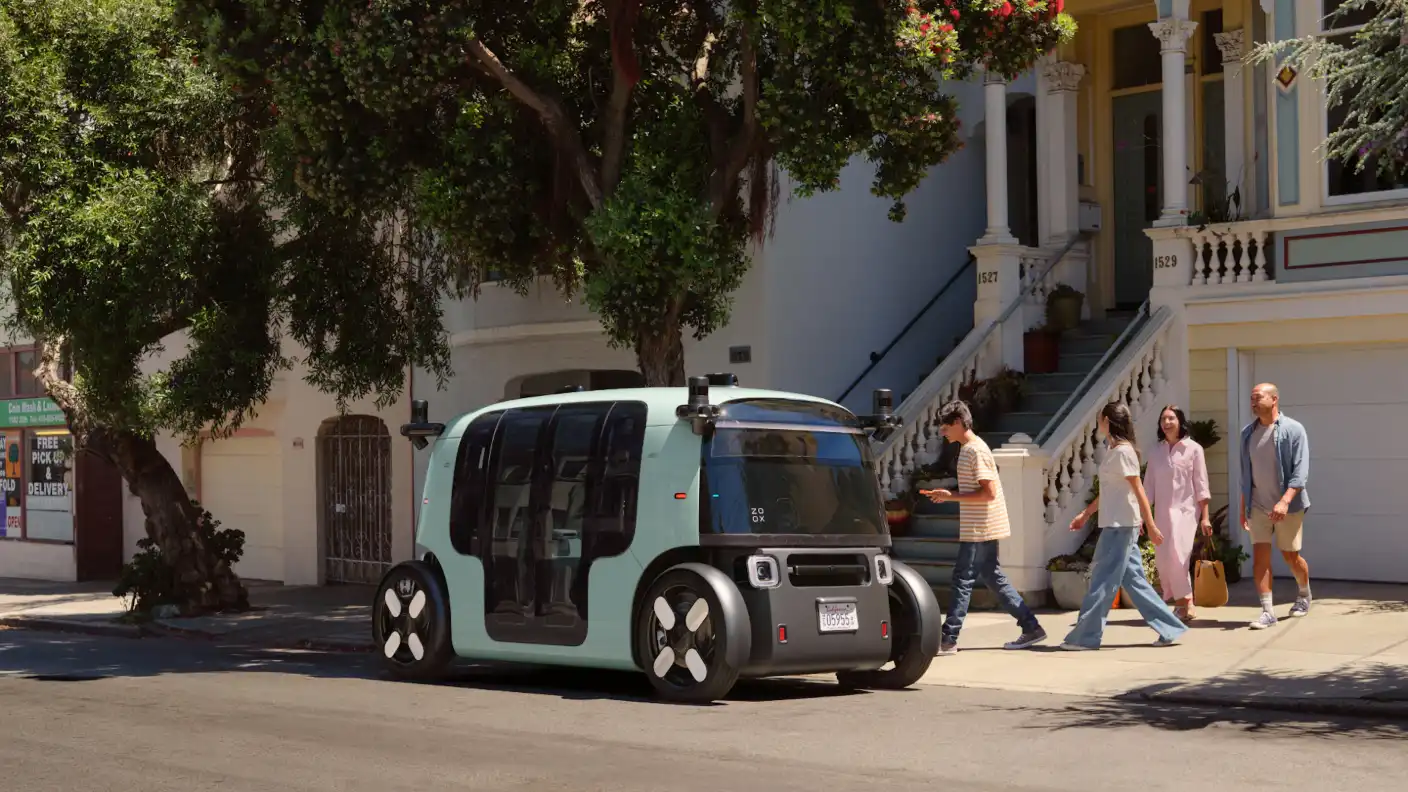
- The custom-built robotaxi features a carriage-style cabin layout with inward-facing seating designed specifically for shared urban transport.
- Fares for the service will align closely with traditional comfort-tier ride-hailing options, incorporating transparent upfront pricing models.
The autonomous vehicle landscape is entering a brand-new commercial era. Zoox, the self-driving vehicle subsidiary backed by retail giant Amazon, is putting the final touches on its upcoming public launch in Las Vegas. This strategic rollout transitions the company from an experimental testing phase into a full-scale, revenue-generating commercial operation, positioning it directly against established legacy ride-hailing providers.
The upcoming deployment stands apart from competing autonomous fleets because of its unique hardware design. Unlike rival operators that retrofit conventional passenger cars with external sensor suites and secondary control computers, Zoox built its vehicle completely from scratch. The custom electric pod features no steering wheel, brake pedals, or accelerator configuration. Instead, the cabin adopts a carriage-style layout with two opposing bench seats, allowing passengers to face one another during transit.
Regulatory hurdles required extensive collaboration with federal safety agencies before commercial operations could begin. The National Highway Traffic Safety Administration granted the enterprise a historic exemption, clearing the custom vehicle for public road deployment without standard human-driver backups. This regulatory milestone acknowledges the rigorous testing and redundant safety architecture embedded into the vehicle’s hardware and software systems.
Pricing for the commercial service will mirror conventional comfort-tier ride options available in major metropolitan markets. Riders will use a dedicated mobile application to request trips, view upfront fare estimates, and manage destinations. Total trip costs combine a baseline rate with time and distance variables, while airport transfers include specific additional fees to handle local terminal logistics seamlessly.
During its initial testing phase leading up to the public rollout, the autonomous fleet safely transported nearly one million passengers across trial markets including Las Vegas, San Francisco, Austin, and Miami. Company leadership emphasizes that transitioning from complimentary public trials to fare-paying operations introduces a demanding set of consumer expectations. Reliability, safety assurance, and smooth customer support remain the top priorities as the fleet scales.
Looking ahead, expanding the service beyond Las Vegas will require navigating a patchwork of state and municipal regulatory frameworks. While federal authorization provides a foundation to deploy up to 2,500 vehicles annually under strict incident-reporting protocols, local acceptance varies across different regions. As these steering-wheel-free pods welcome their first paying customers onto public streets, the experiment will test whether custom autonomous transport can achieve long-term financial success at scale.