Key Points:
- A new administration report reveals that the United States loses between $19 billion and $26 billion annually in tariff revenue.
- The revenue loss stems from foreign manufacturers routing exports through third-party countries to bypass import duties.
- Trade advisers emphasize that goods, largely originating from China, are sent to nations like Mexico and Malaysia for minor assembly or packaging.
- Customs officials are introducing artificial intelligence tools and stricter trade frameworks to detect and penalize transshipment practices.
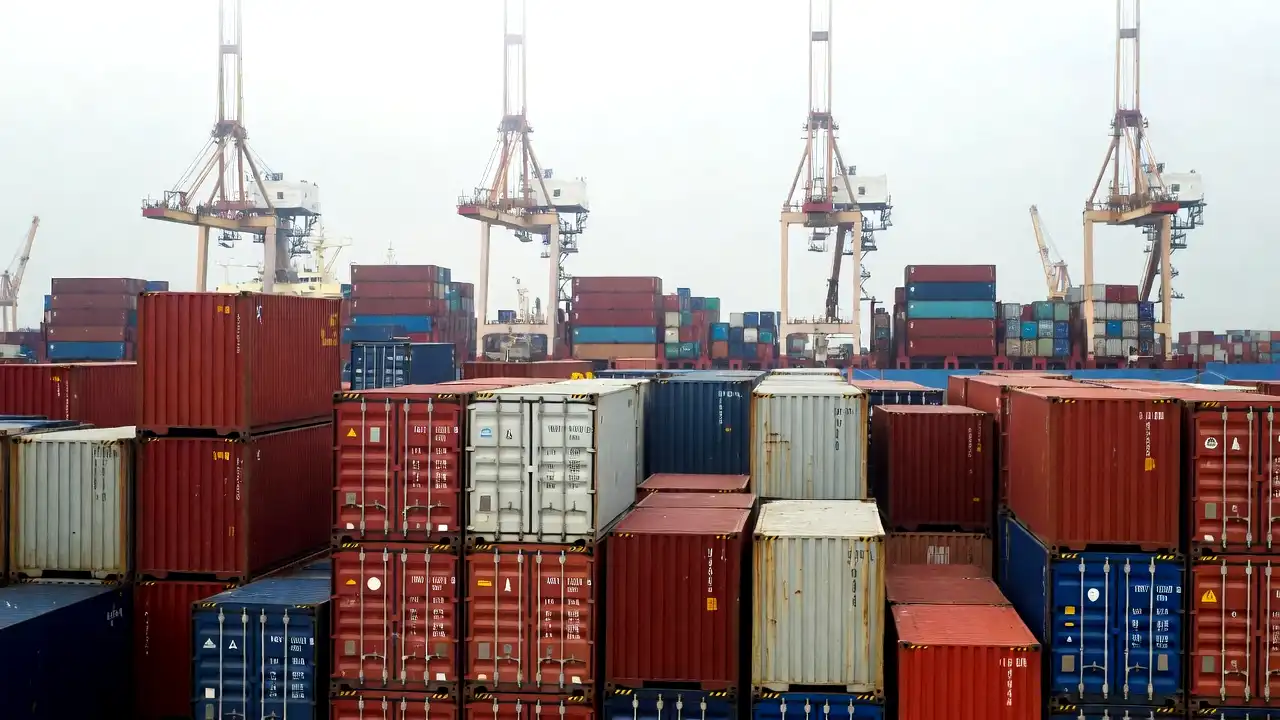
The federal government has released a comprehensive trade report highlighting major financial losses tied to international supply chain loopholes. According to the document, the United States loses an estimated $19 billion to $26 billion every year in uncollected tariff revenue. This financial drain occurs because international exporters reroute products through intermediate nations to disguise their country of origin and avoid American import duties.
The practice, commonly known as transshipping, typically involves goods manufactured in major exporting nations like China being sent to third-party countries across various regions, ranging from Mexico to Malaysia. Once inside these intermediate locations, the items undergo minor packaging changes or superficial assembly before being exported to the United States. This workaround creates the statistical illusion that direct imports from the primary manufacturing nation have decreased, while foreign factories continue bypassing duties and challenging domestic industrial employment.
Trade officials and economic advisers pointed out that this routing scheme allows foreign industries to launder exports through more than forty different nations. While tariffs were originally implemented to protect American manufacturing sectors across the automotive, metals, and electronics industries, these clever routing tactics undermine federal enforcement and create competitive disadvantages for local factories.
To combat the loophole, federal authorities are upgrading enforcement capabilities. Customs and Border Protection launched an artificial intelligence prototype program designed to flag suspicious shipping patterns and intercept fraudulent import declarations. Furthermore, trade advisers noted that upcoming bilateral trade frameworks will incorporate strict penalty clauses, ensuring that any trading partner caught enabling tariff avoidance faces immediate economic repercussions.
As global trade policies continue evolving under intensive administrative oversight, closing enforcement gaps remains a top priority for federal regulators. By deploying advanced digital surveillance and stricter customs verification, the government aims to recover billions of dollars in lost tax revenue while protecting domestic industrial interests from unfair foreign competition.