Key Points:
- Public opposition to massive artificial intelligence data centers has emerged as a powerful bipartisan campaign issue in the United States.
- Voter surveys reveal that over 70% of Americans oppose building new data center campuses in their local communities.
- Grassroots resistance across 49 states has already delayed or blocked 75 major data center projects valued at $130 billion.
- Political candidates in key battleground states are distancing themselves from tech developments to address rising electricity and water concerns.
What began as scattered neighborhood zoning disputes has exploded into a major national campaign issue across the United States. Public backlash against massive artificial intelligence data centers is rapidly reshaping political strategies ahead of the upcoming midterm elections. Candidates from both major political parties are confronting voters angry over soaring household electricity bills, heavy municipal water consumption, and industrial construction noise, transforming windowless server warehouses into an unexpected electoral liability.
Public sentiment toward large-scale computing infrastructure has soured dramatically across the political spectrum. National voter surveys show that roughly 71% of Americans oppose constructing new artificial intelligence data centers in their local neighborhoods, including 48% who are strongly opposed. Resistance spans traditional party lines: approximately 75% of Democrats, 74% of political independents, and 63% of Republicans express direct opposition to local data center construction, making computing infrastructure one of the rarest cross-partisan flashpoints in modern American politics.
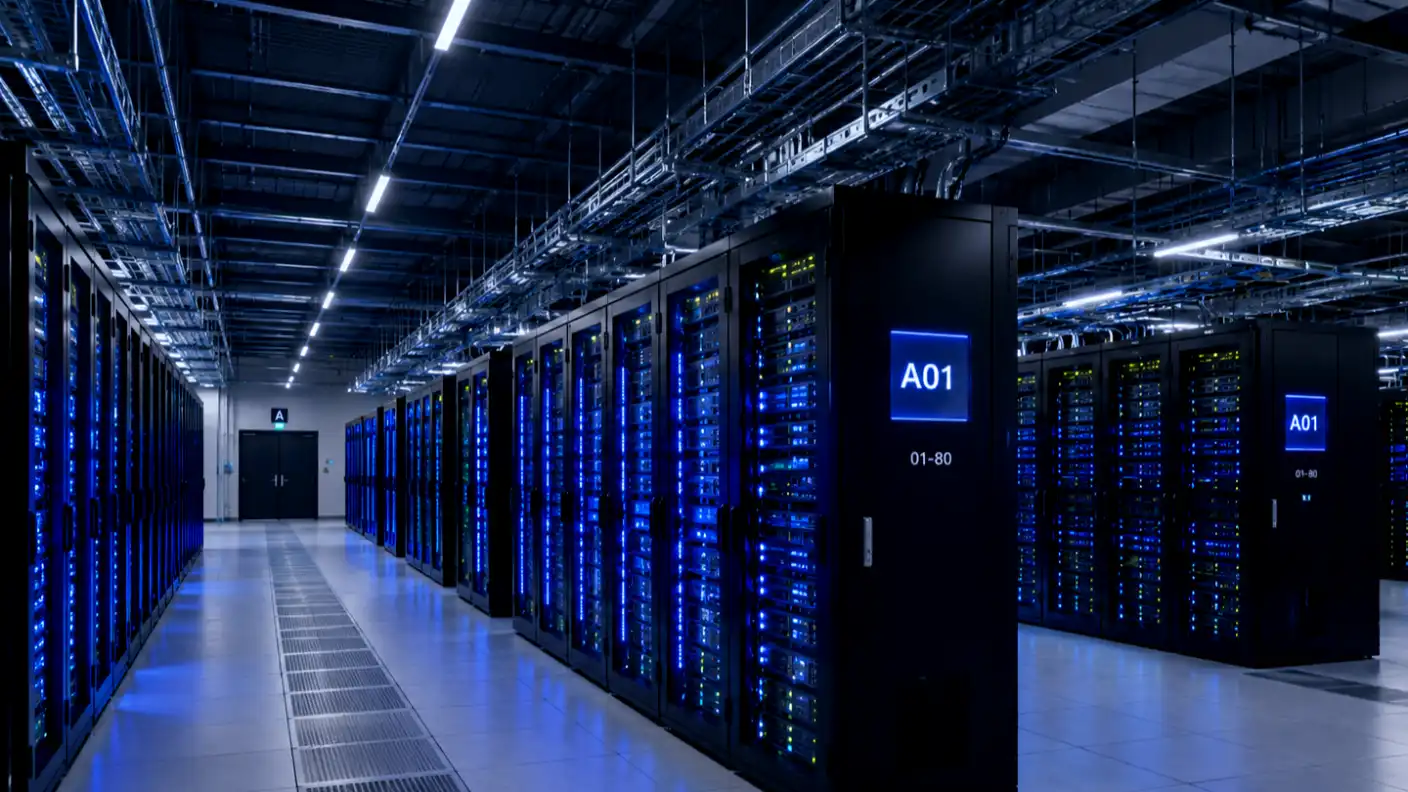
The core grievances driving community outrage involve the immense physical footprint and resource consumption of modern computing campuses. Training and operating frontier machine learning clusters requires enormous quantities of continuous electricity and millions of gallons of cooling water every day. Residents in affected towns complain that tech developments strain regional power grids, drive up monthly residential utility bills, deplete agricultural groundwater wells, and create constant background humming noise, all while receiving generous local property tax exemptions.
The political resistance has inflicted a heavy financial toll on technology developers. Industry tracking data reveals that more than 800 community advocacy groups across 49 states are actively organizing against approximately 1,500 planned data center facilities. In the first half of the year alone, local citizen opposition successfully blocked or delayed 75 major projects representing over $130 billion in planned construction capital, matching the total volume of delayed projects recorded in all of the previous year.
In high-stakes electoral races, data center developments have become potent campaign weapons. In Ohio, a major hub for Midwestern tech construction, the issue has taken center stage in a fiercely contested United States Senate race. Internal campaign memos from national political committees privately warned candidates that public hostility toward data centers represents a dangerous sleeper issue that could cost incumbents their seats, prompting challengers to air television advertisements labeling opponents as the face of unvetted tech expansion.
State governors are moving quickly to establish strict regulatory guardrails to appease voters. In Pennsylvania, executive leadership issued binding directives that strip data center developers of fast-track construction permits and tax subsidies unless they prove local community approval, cover 100% of their electricity infrastructure costs, and deploy closed-loop technologies to minimize water use. Similarly, in Florida and Texas, prominent gubernatorial and legislative candidates have adopted aggressive platforms demanding strict regional quotas and moratoriums on new commercial computing campuses.
The political consequences of backing data center developments have already claimed notable political casualties. In Utah, established state lawmakers and county commissioners lost primary elections after approving large-scale data center projects backed by celebrity investors. Ousted officials openly acknowledged that local community anger over water usage and electrical grid strain directly cost them their seats, sending a chilling signal to politicians nationwide.
The public backlash has spilled into mainstream culture and commercial advertising. Consumer beverage brands and national personalities have launched satirical advertising campaigns mocking the millions of gallons of clean drinking water evaporated by server cooling towers. The viral mockery highlights how the physical infrastructure of artificial intelligence has evolved from an invisible technical asset into a visible symbol of corporate resource extraction.
As the tech industry races to build out the multi-gigawatt computing infrastructure needed to sustain artificial intelligence development, the emerging political backlash represents its greatest non-technical hurdle. Technology conglomerates can secure billions in funding and purchase millions of advanced processors, but they cannot build server farms without local land, power, and water permits. How political leaders and tech executives address community concerns in the upcoming elections will determine whether America’s computing buildout continues or grinds to a regulatory halt.