Key Points:
- Chinese robotics startups are rolling out intelligent robot arms in commercial logistics warehouses to automate package handling.
- Advanced vision models enable robotic arms to identify, pick, and sort jumbled parcels at rates exceeding 1,800 items per hour with 98% accuracy.
- Deployments across major delivery hubs like China Post, SF Express, and Cainiao help logistics networks address persistent labor shortages.
- Startups are combining physical artificial intelligence software with cost-efficient hardware to challenge traditional automation systems.
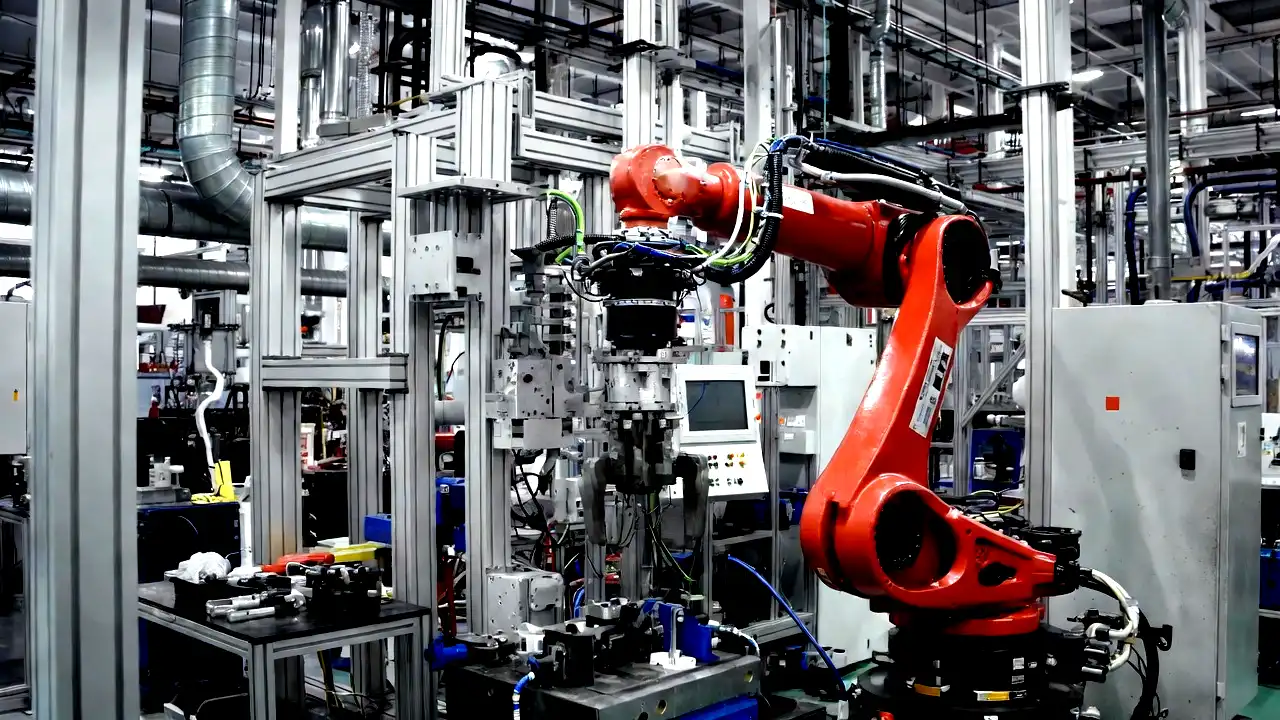
The logistics and e-commerce distribution sector in China is undergoing a major automation transformation. A new wave of artificial intelligence and robotics startups is deploying intelligent, multi-jointed robot arms directly into commercial logistics warehouses. Powered by advanced computer vision and physical artificial intelligence models, these robotic systems can autonomously sort, pick, and pack irregularly shaped parcels on live conveyor lines, taking over physically demanding tasks that historically required large teams of human workers.
Traditional industrial robotic arms excelled at repetitive, fixed movements in automotive factories, but they struggled in logistics warehouses where parcels arrive in unpredictable shapes, soft plastic bags, varying weights, and tangled piles. Newly deployed vision-guided systems solve this perception barrier. Equipping robotic arms with high-resolution depth cameras, tactile sensors, and real-time machine learning algorithms allows the machines to scan jumbled piles, determine optimal suction or gripper grasp points in milliseconds, and reorient packages correctly without damaging delicate contents.
Operational performance metrics from live warehouse deployments demonstrate human-level speed and precision. In commercial testing environments, intelligent robotic arm stations consistently process up to 1,816 parcels per hour with an accuracy rate exceeding 98%. By operating continuously across multi-shift schedules, a single robotic work cell can match the daily output of multiple manual sorting workers while eliminating sorting errors during peak holiday shopping surges.
Major Chinese delivery giants and e-commerce conglomerates—including China Post, SF Express, JD Logistics, and Alibaba’s logistics arm Cainiao—are rapidly integrating these robotic arms into regional distribution centers. High-volume sorting hubs that process millions of packages daily deploy automated robotic arm cells at primary conveyor induction points, where inbound freight trailers unload unsorted cargo onto moving transport belts.
The rapid commercial adoption arrives as logistics operators confront shifting demographic realities. China’s aging population and rising industrial labor costs have made recruiting night-shift warehouse workers increasingly difficult and expensive. Furthermore, intense consumer expectations for same-day and next-day deliveries put immense pressure on logistics networks to accelerate processing speeds. Automating parcel induction and sorting allows fulfillment centers to maintain high throughput without relying on unsustainable seasonal hiring sprees.
A critical competitive advantage driving the rollout is China’s mature domestic hardware supply chain. Local robotics startups source high-precision harmonic reducers, servomotors, carbon-fiber joints, and vacuum suction cups from domestic manufacturers at roughly 30% to 50% lower costs than European or Japanese competitors. This cost advantage enables startups to sell complete robotic work cells at accessible price points, delivering return-on-investment timelines under 18 months for warehouse operators.
Startups are scaling the intelligence of their robotic arms through specialized physical AI training centers and large-scale simulation environments. Across dozens of industrial testing hubs, robotic arms train on millions of real and synthetic parcel variations every month. Gathering terabytes of tactile pressure data and motion telemetry allows neural networks to learn how to handle difficult items—such as slippery polybags, fragile glassware, and heavy cartons—without requiring human programmers to write custom code for every package type.
The success of domestic warehouse deployments is encouraging Chinese robotics firms to eye overseas markets. As logistics providers in North America, Europe, and Japan grapple with acute warehouse labor shortages, Chinese automation startups are beginning to export intelligent robotic sorting arms to international freight forwarders and airport cargo hubs. This export push challenges legacy industrial automation vendors by offering flexible, software-driven robotic solutions at competitive commercial rates.
As the global logistics industry races toward full-process intelligent automation, deploying artificial intelligence into physical hardware is redefining modern supply chain logistics. By successfully mastering the complex, messy realities of parcel sorting in high-volume warehouses, Chinese robotics startups are proving that physical artificial intelligence can deliver massive economic productivity gains. The widespread adoption of intelligent robotic arms marks the beginning of an era where automated systems manage the physical flow of global commerce.