Key Points:
- Waymo officially announced plans to launch its driverless commercial ride-hailing service in Munich, Germany, by late 2027.
- The planned expansion marks the Alphabet subsidiary’s first entry into the European Union and its third international market.
- High-definition mapping and human-supervised road testing will commence across Munich streets in the coming weeks.
- Autonomous driving safety data from over 350 million kilometers demonstrates 16 times fewer serious injury crashes than human drivers.
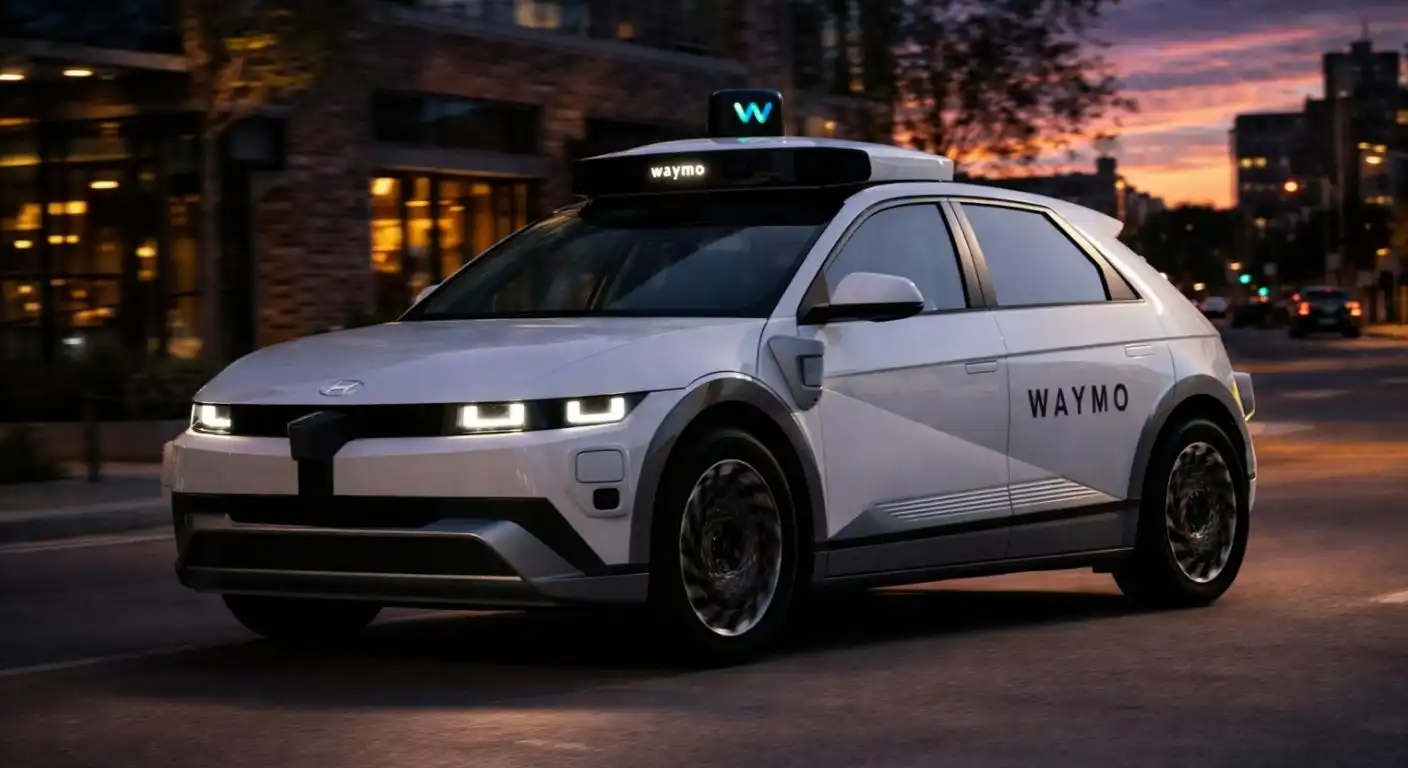
Autonomous driving leader Waymo is taking its commercial robotaxi operations across the Atlantic. The Alphabet-owned enterprise officially announced that it is laying the operational groundwork to launch fully autonomous ride-hailing services in Munich, Germany. Slated to open commercial service to the public toward the end of 2027, the deployment marks the company’s first commercial venture within the European Union and represents a major milestone in its global expansion roadmap.
The deployment follows a rigorous, multi-phase operational strategy honed during the company’s expansion across the United States. In the coming weeks, specially equipped Waymo vehicles will begin driving manually across the Bavarian capital. Autonomous vehicle technicians will perform comprehensive high-definition 3D mapping of Munich’s complex street networks, tram lanes, bicycle paths, and historic intersections. Once mapping concludes, the enterprise will initiate testing with trained safety specialists behind the wheel before transitioning to fully driverless passenger transport in late 2027.
Munich’s selection highlights Germany’s unique legal positioning in the global autonomous mobility race. In 2021, German lawmakers passed the world’s first comprehensive legal framework authorizing commercial Level 4 autonomous vehicles to operate on public roads without a human safety driver present. This legal certainty, combined with regional commitments from the Bavarian government to cut administrative red tape, provided corporate planners with the regulatory predictability required to commit multi-million-dollar fleet investments.
Establishing operations in Munich places the American technology company at the historical center of European automotive manufacturing. The Bavarian capital houses the global headquarters of legacy automakers like BMW, sits near Audi’s primary manufacturing base, and hosts hundreds of specialized automotive engineering suppliers. Furthermore, major American technology conglomerates, including Google, Apple, and Amazon, maintain expansive engineering campuses in the city, creating a deep pool of specialized software talent.
The European expansion builds upon explosive commercial growth across North America. Valued at $110 billion in private funding rounds, the enterprise operates active commercial robotaxi services across 11 major United States metropolitan areas, including Phoenix, San Francisco, Los Angeles, and Austin. The company completes more than 500,000 paid passenger journeys every week and has safely facilitated over 20 million commercial trips, proving that autonomous ride-hailing can scale into a viable public utility.
Executive leadership anchored its European expansion pitch with extensive real-world safety data. Data compiled from more than 350 million fully autonomous driving kilometers reveals that the company’s autonomous driver architecture is involved in 16 times fewer serious injury crashes compared to average human drivers. Furthermore, safety statistics indicate a 14-fold reduction in vehicle collisions involving pedestrians, providing a compelling public safety argument for municipal transport planners.
For its European fleet, the enterprise plans to deploy its sixth-generation autonomous driving architecture. The updated system utilizes custom application-specific integrated circuit processors, high-resolution cameras, advanced lidar, and imaging radar sensors integrated into purpose-built electric passenger vehicles developed in partnership with Geely’s Zeekr brand. By co-designing hardware and silicon directly, the company significantly reduces per-vehicle manufacturing costs while improving sensor vision in challenging European winter weather.
Germany represents the third major international frontier for the autonomous pioneer, joining ongoing testing and validation programs in London and Tokyo. As global mobility shifts toward electrification and autonomous software, legacy European automakers face mounting pressure from agile American tech platforms and low-cost Chinese electric vehicle builders. German transport officials welcomed the American firm’s investment while urging European industry to accelerate its own domestic autonomous driving technologies.
As high-definition mapping vehicles prepare to navigate the streets of Munich, Waymo’s European debut signals the beginning of a competitive new era for urban transportation. By combining proven autonomous safety records, cutting-edge machine learning compute, and Germany’s progressive legal framework, the company is positioning itself to lead the commercialization of driverless mobility across the European Union. The multi-year rollout will test whether Silicon Valley autonomous software can successfully adapt to Europe’s historic cities and reshape how the continent moves.