Key Points:
- Boeing and the union representing roughly 17,000 engineers and technical workers will resume formal contract negotiations on September 8.
- Union members overwhelmingly rejected Boeing’s initial four-year contract offer, with 64% of engineers and 72% of technical staff voting against it.
- Workers authorized a potential strike starting October 7 if both sides fail to reach an agreement before the current contract expires on October 6.
- An internal survey of nearly 13,000 members revealed that employees demand larger guaranteed base pay increases and improved retirement contributions.
Negotiators from Boeing and the union representing roughly 17,000 engineers and technical workers agreed to resume formal contract negotiations on September 8. The move follows a preliminary meeting between both parties to review employee concerns after union members overwhelmingly rejected a proposed four-year contract offer. With the current labor agreement set to expire on October 6, both sides face a narrow window of less than a month to forge a compromise and prevent a disruptive strike across major aerospace facilities.
The Society of Professional Engineering Employees in Aerospace represents white-collar professionals across Washington, Oregon, California, and Utah who design, test, and oversee Boeing commercial and defense aircraft. During an August vote, approximately 64% of professional engineers and 72% of technical workers rejected the company’s initial contract proposal. Alongside rejecting the package, union members voted by wide margins to authorize strike action if negotiators fail to reach a satisfactory agreement before the October deadline.
The initial proposal featured total wage pool increases approaching 30% across four years, offering annual compensation pools of 7% in 2027 and 5.5% annually through 2030. It also included an inflation-linked wage floor of up to 3%, additional paid time off, limits on mandatory overtime, and expanded hybrid telework provisions. However, rank-and-file workers pushed back strongly because the plan allocated a large portion of wage increases through discretionary merit pools rather than across-the-board guaranteed pay raises.
Following the contract rejection, the union surveyed nearly 13,000 members to identify non-negotiable bargaining priorities. The results revealed that workers demand higher guaranteed base salary increases that do not depend on management discretion. Members also identified larger performance-based bonus pools, stronger cost-of-living adjustments to shield paychecks from inflation, and enhanced company contributions to retirement 401(k) accounts as central demands for the upcoming bargaining sessions.
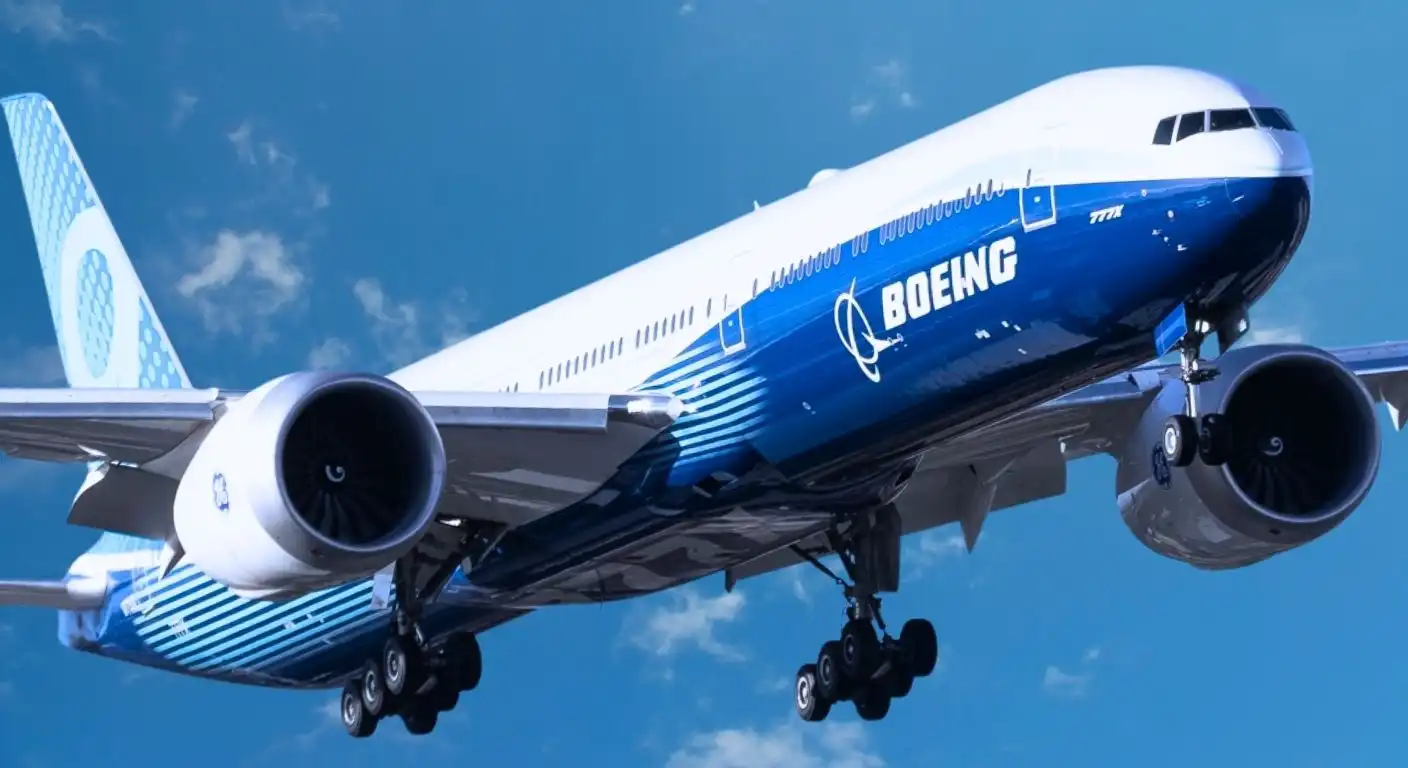
The threat of a walkout on October 7 creates severe operational risks for Boeing as the planemaker works to stabilize commercial airplane manufacturing. Engineers and technical staff play indispensable roles in aircraft safety testing, supply chain troubleshooting, and structural design validation. A prolonged labor stoppage would directly jeopardize certification flight tests for delayed aircraft programs, including the 737 MAX 10 airliner and the flagship 777-9 widebody jet.
Both aircraft models already trail their original delivery timelines by several years, and airline customers worldwide are waiting for long-overdue airframes to modernize their fleets. Grounding engineering activities would freeze critical compliance documentation required by the Federal Aviation Administration and halt technical support for commercial assembly lines in Renton and Everett, Washington. These disruptions would compound Boeing’s ongoing efforts to rebuild airline trust and restore financial health.
In response to the strike authorization vote, Boeing management initiated preliminary contingency planning to maintain core business operations. The aerospace company began posting listings for temporary contractor positions and preparing emergency staffing procedures to support active airline fleets in the event of a walkout. However, union leaders emphasized that contract workers cannot easily replicate the specialized technical knowledge of veteran aerospace engineers who have spent decades perfecting commercial jetliner systems.
The engineering contract dispute follows intense labor negotiations across the broader aerospace sector, where manufacturing unions recently secured significant wage increases and improved workplace protections. Having watched shop-floor machinists secure substantial financial gains after hard-fought contract campaigns, aerospace engineers feel empowered to demand comparable recognition for their specialized design and technical contributions.
Boeing leadership expressed a strong commitment to reaching a mutually beneficial agreement at the bargaining table before the existing contract lapses. Company officials recognize that avoiding labor unrest remains essential to sustaining factory momentum, meeting delivery targets, and improving operational cash flows. Resolving employee wage concerns quickly will allow the aerospace manufacturer to keep its skilled engineering workforce focused on critical flight safety and delivery schedules.
When formal bargaining reconvenes on September 8, both negotiating teams will confront the challenging task of restructuring wage formulas to satisfy member expectations. If negotiators can convert discretionary funds into guaranteed salary hikes and enhance retirement benefits, Boeing can eliminate a major source of corporate uncertainty. As the October 6 deadline approaches, the entire aviation industry will closely monitor the talks for signs of a breakthrough.