Key Points:
- South Korean President Lee Jae Myung and IEA Director Fatih Birol met in Seoul to address the global energy crisis.
- The IEA highlighted electrification as an essential policy tool to safeguard national energy security and drive decarbonization.
- The meeting built on South Korea’s proposal at the G7 summit to strengthen energy supply chains across the Asia-Pacific.
- The discussion follows the IEA’s emergency coordinated release of 400 million barrels of oil to stabilize global energy markets.
South Korean President Lee Jae Myung met with International Energy Agency Executive Director Fatih Birol at Cheong Wa Dae in Seoul to coordinate strategic responses to the worsening global energy crisis. The high-level bilateral meeting focused on mitigating the severe economic fallout caused by escalating military conflicts in the Middle East, which have disrupted international shipping lanes and sent crude oil prices soaring. President Lee emphasized that while geopolitical turmoil has complicated South Korea’s green energy transition, the country will work closely with international energy watchdogs to stabilize energy supply chains.
The diplomatic meeting served as an official follow-up to proposals that President Lee introduced during the Group of Seven (G7) summit in June. During those international talks, South Korea urged major democratic economies to establish multilateral frameworks to strengthen energy supply chain resilience across the Asia-Pacific region. Because East Asian manufacturing hubs depend almost entirely on imported hydrocarbons, regional economies face severe financial vulnerabilities whenever military hostilities threaten Persian Gulf export terminals.
Birol identified rapid electrification—the comprehensive transition from fossil-fuel combustion to clean electric power across transportation, heating, and industrial manufacturing—as the primary defense against global energy shocks. The IEA chief praised the South Korean administration’s domestic electrification initiatives, emphasizing that replacing imported petroleum with domestic clean electricity protects national sovereignty, insulates industrial manufacturers from volatile commodity markets, and accelerates carbon reduction targets.
South Korea faces acute exposure to global energy disruptions due to its heavy reliance on foreign fuel imports. The country imports more than 93% of its primary energy supplies, purchasing hundreds of millions of barrels of crude oil and tens of millions of tons of liquefied natural gas (LNG) annually. The vast majority of these maritime shipments pass directly through the Strait of Hormuz, making the nation’s heavy industrial sectors—including steel, petrochemicals, and automotive manufacturing—highly vulnerable to naval blockades and maritime shipping surcharges.
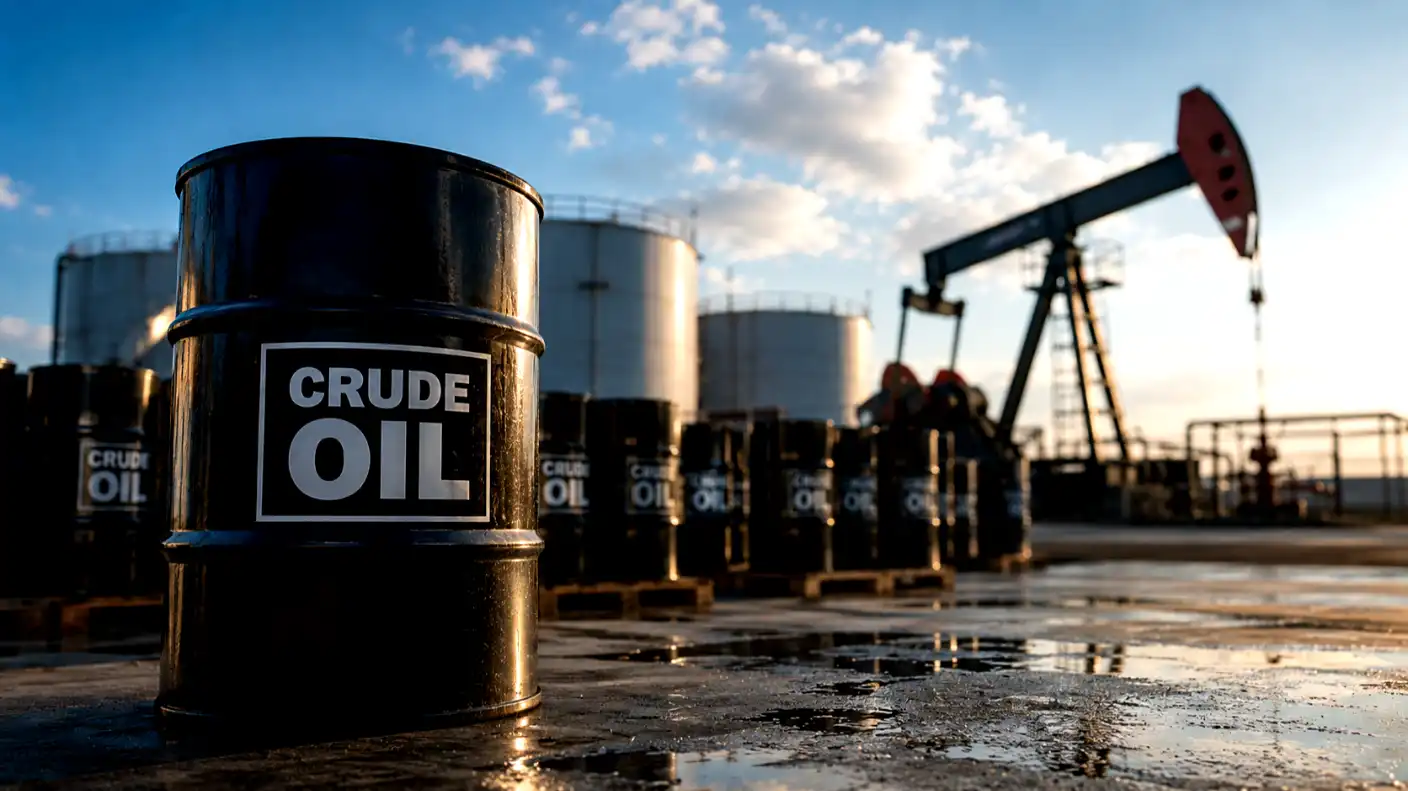
The global energy crisis has intensified following recent military exchanges between the United States and Iran, which restricted commercial tanker traffic through the Persian Gulf. International benchmark Brent crude oil surged past $98 per barrel to touch multi-month highs near $109, while Asian spot LNG prices held above $21 per million British thermal units. These elevated commodity prices have increased electricity generation costs across South Korea, driving up operating overhead for export-oriented manufacturers and raising domestic consumer utility bills.
To counter severe supply disruptions earlier in the year, the International Energy Agency organized the largest emergency oil reserve release in its history. Under Birol’s leadership, IEA member countries agreed in March to release a collective 400 million barrels of crude oil and refined petroleum products from their strategic government stockpiles. The massive coordinated drawdown injected immediate physical liquidity into international energy markets, preventing acute fuel shortages across Europe and East Asia during the initial outbreak of Middle Eastern hostilities.
In response to persistent geopolitical risks, the South Korean government is accelerating investments in domestic clean energy generation and transmission infrastructure. The administration is channeling tens of billions of dollars into expanding commercial nuclear power generation, constructing large-scale offshore wind farms off the southwestern coast, and deploying utility-scale solar arrays. South Korea aims to increase the share of carbon-free electricity on the national power grid to more than 60% by 2035, reducing long-term exposure to imported fossil fuels.
Industrial electrification across South Korea’s world-leading automotive and battery sectors represents a major pillar of national energy security. Domestic battery pioneers, including LG Energy Solution, Samsung SDI, and SK On, are expanding domestic manufacturing facilities to produce next-generation high-nickel and lithium-iron-phosphate battery cells. Concurrently, top automakers Hyundai Motor and Kia are expanding their electric vehicle lineups, supporting a nationwide policy goal to electrify 30% of new passenger vehicle sales before the end of the decade.
Beyond domestic power generation, President Lee and Director Birol discussed expanding bilateral cooperation on clean hydrogen ecosystems and carbon capture technologies. South Korea is developing nationwide hydrogen distribution pipelines and specialized ammonia-cracking terminals to import zero-emission green hydrogen from overseas production hubs in Australia and the Middle East. Integrating clean hydrogen into heavy industrial steelmaking and power generation allows South Korea to decarbonize energy-intensive manufacturing without sacrificing industrial output.
As global energy markets navigate persistent supply chain bottlenecks and volatile fuel benchmarks, the strategic dialogue between South Korea and the IEA establishes a unified roadmap for energy resilience. By combining emergency international stockpile coordination with long-term domestic electrification, advanced nuclear power, and renewable energy investments, South Korea is building a secure and sustainable energy architecture designed to protect national economic growth in an increasingly volatile global landscape.