

Key Points:
- The multi-billion-dollar infrastructure buildout for artificial intelligence creates complex inflationary pressures for the Federal Reserve.
- Massive capital expenditures on specialized data centers, servers, and power generation drive up demand for raw industrial materials.
- Competing energy requirements for advanced computing facilities push up utility prices for commercial and residential consumers.
- Central bank policymakers face a difficult balancing act as technology-driven capital spending complicates overall macroeconomic stabilization.
The historic race to build artificial intelligence infrastructure is creating unintended economic ripples. As technology giants and cloud providers pour hundreds of billions of dollars into advanced data centers, specialized microchips, and dedicated power plants, the resulting economic boom complicates the Federal Reserve’s ongoing battle against inflation. While productivity gains from machine learning may eventually lower consumer prices over the long term, the immediate, heavy capital expenditure cycle generates distinct inflationary pressures across multiple industrial sectors.
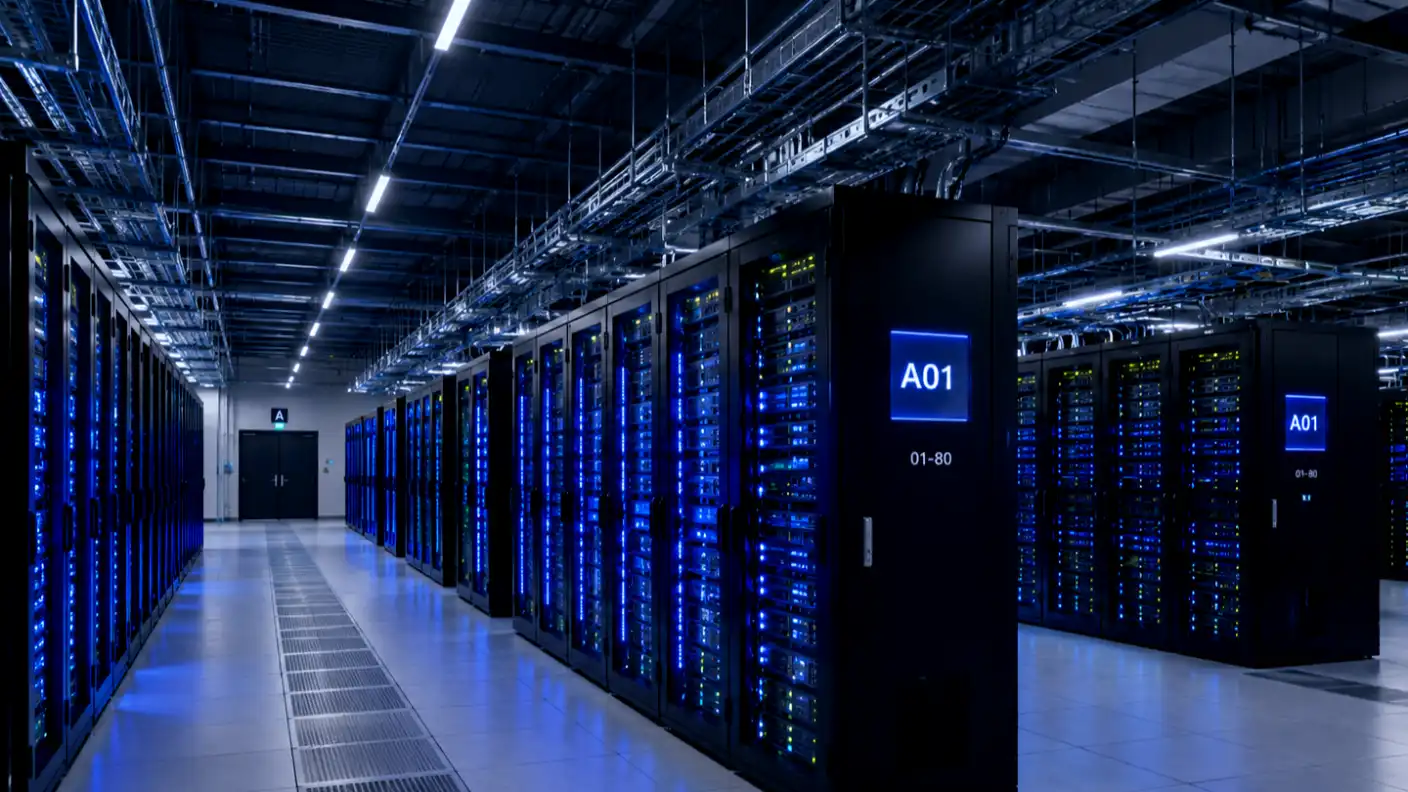
The primary driver of this economic friction is the sheer physical scale of the hardware build-out. Constructing massive data center campuses requires a continuous stream of copper, steel, concrete, and advanced cooling equipment. This sudden surge in commercial demand collides with tight global supply chains, driving up raw material costs and pushing industrial price indices higher. When major technology corporations outbid traditional manufacturers for scarce materials and specialized engineering labor, cost increases ripple throughout the broader economy.
Furthermore, the energy requirements of modern machine learning clusters present a major logistical hurdle for regional power grids. Artificial intelligence data centers operate around the clock, consuming gigawatts of electricity to power thousands of high-density graphics processing units. To secure reliable electricity, technology companies are directly partnering with nuclear, natural gas, and renewable energy providers. This massive corporate energy consumption frequently drives up utility rates for local businesses and residential households, adding directly to consumer price index calculations.
Federal Reserve officials monitor these trends closely as they weigh future monetary policy adjustments. Economic textbooks traditionally assume that corporate capital expenditures spur long-term productive capacity, which helps tame inflation. However, the unique nature of the artificial intelligence boom involves front-loaded physical construction and intensive energy consumption that absorbs resources immediately while software monetization takes years to mature. This dynamic forces central bankers to evaluate whether tech sector spending counteracts traditional monetary tightening.
As the multi-billion-dollar infrastructure cycle continues rolling forward, financial analysts remain divided on its net macroeconomic impact. Proponents argue that the long-term efficiency gains and automation breakthroughs unlocked by artificial intelligence will ultimately deliver massive deflationary benefits to the global economy. Until those software productivity gains materialize at scale, however, the high upfront cost of building the digital future remains a stubborn headache for monetary policymakers.






