Key Points:
- The massive buildout of AI data centers is driving up wholesale power prices and pushing consumer utility bills higher across the United States.
- Data center electricity consumption is projected to triple to between 325 and 580 terawatt-hours by 2028, reaching up to 12% of national demand.
- Commercial utilities filed a record $31 billion in rate increase requests as grid operators pass infrastructure upgrade costs to households.
- Regional grid capacity fees spiked over 800%, prompting lawmakers and local communities to demand dedicated industrial rate reforms.
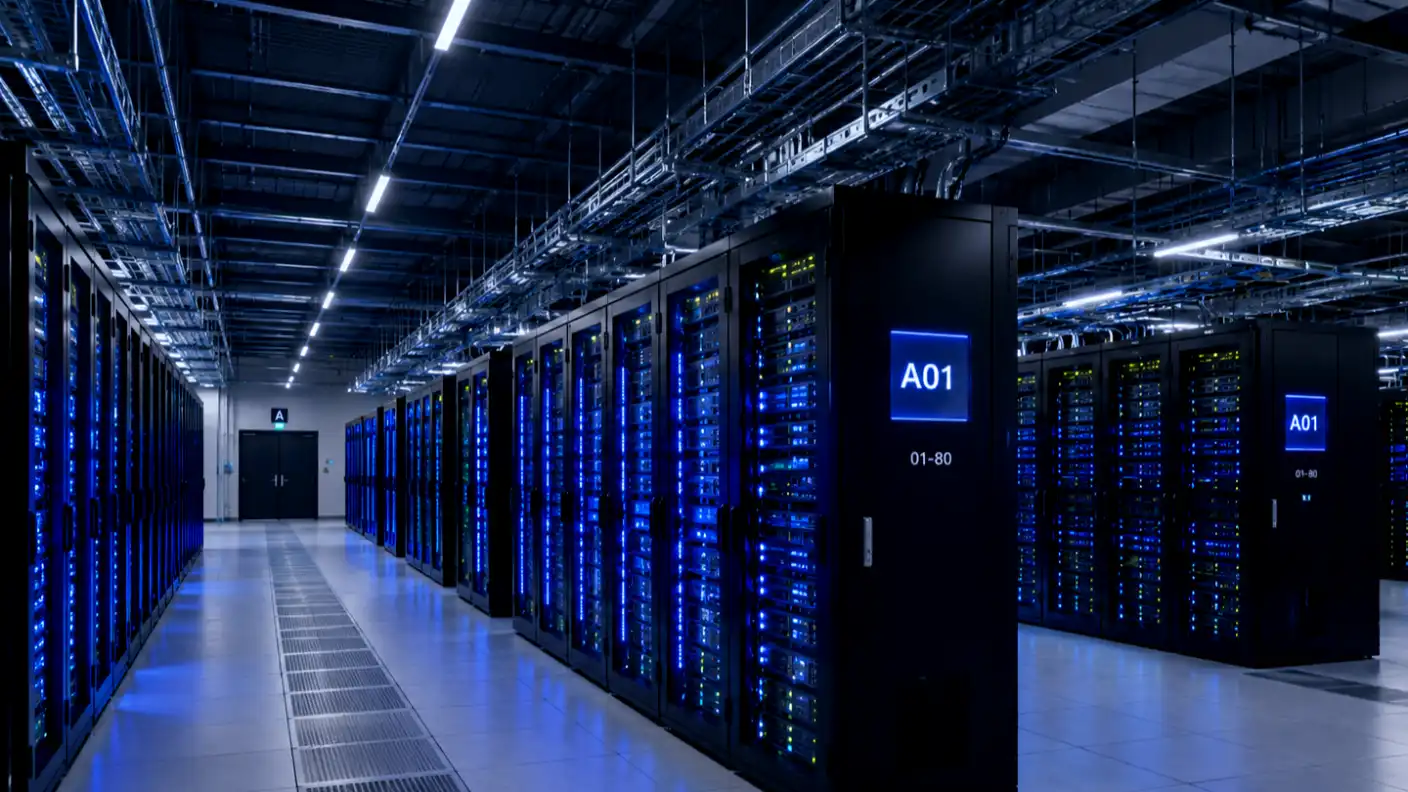
The massive physical expansion of artificial intelligence data centers is triggering unexpected economic side effects across the United States, driving up wholesale electricity costs, straining power grids, and pushing household utility bills higher. While Silicon Valley executives previously promised that artificial intelligence would create widespread economic deflation through rapid productivity gains, the initial construction and infrastructure buildout phase is having the opposite effect. Building gigawatt-scale computing campuses is intensifying competition for raw materials, electrical hardware, and regional power generation, creating near-term inflationary pressures across the broader economy.
Modern artificial intelligence workloads demand an unprecedented volume of electrical power compared to traditional digital cloud computing. Data centers consumed roughly 176 terawatt-hours of electricity in 2023, representing approximately 4.4% of total United States power consumption. Energy analysts project that data center electricity usage will triple to between 325 and 580 terawatt-hours by 2028, expanding the sector’s share of national power demand to as much as 12%. This sudden load surge has caught utility planners and regional transmission operators off guard after two decades of flat electricity demand growth.
The rapid increase in power consumption is already showing up in consumer electric bills. Commercial utilities across the country submitted a record $31 billion in rate-increase requests to state utility commissions over the past year to fund urgent grid modernization. Because traditional utility regulation allows power companies to recover the capital costs of constructing new substations, high-voltage transmission corridors, and natural-gas peaking plants by spreading these expenses across their entire customer base, residential households are effectively subsidizing the infrastructure required to power Big Tech’s AI servers.
Wholesale electricity markets in data-center-heavy regions are experiencing severe pricing spikes. In the PJM Interconnection grid—a regional transmission network that spans 13 states from Virginia to Illinois—capacity auction prices recently jumped by more than 800%. Capacity auctions determine the standby fees that utilities pay power generators to ensure electricity is available during extreme weather events. Independent grid monitors determined that data center demand accounted for nearly three-quarters of that price increase, raising wholesale power costs for municipal providers across the Mid-Atlantic.
Financial institutions and economic researchers are warning that electricity price inflation will accelerate over the next two years. Economic models suggest that consumer electricity prices could climb between 6% and 10% annually through 2027, with the generation portion of retail bills rising up to 30% faster than if data center growth had remained at historical baselines. These cost increases fall disproportionately on lower-income families, who spend a larger share of their monthly household income on essential cooling and heating bills.
The infrastructure race is also driving up capital costs across construction and industrial manufacturing supply chains. Tech hyperscalers are spending hundreds of billions of dollars on high-voltage electrical transformers, backup diesel generators, cooling chillers, and structural steel, creating severe equipment backlogs for municipal utilities and local manufacturing plants. Lead times for large power transformers now stretch past four years, forcing regional utilities to delay routine grid upgrades or pay steep emergency surcharges to procure electrical equipment.
Rising utility bills and grid reliability concerns have ignited political and grassroots resistance across local communities. In states like Virginia, Ohio, Missouri, and Kansas, local city councils and county boards have blocked proposed multi-billion-dollar data center campuses, citing concerns over power shortages, noise pollution, and excessive water consumption for server cooling. In response to resident complaints, federal and state lawmakers are introducing legislation to mandate that technology corporations fund 100% of their dedicated grid expansion costs rather than passing fees onto local ratepayers.
To bypass transmission grid bottlenecks and mitigate public backlash, major technology companies are pursuing private power arrangements. Cloud developers are negotiating direct power purchase agreements with nuclear power stations, constructing on-site natural gas generators, and investing in advanced geothermal and small modular reactor technologies. However, energy experts note that private power contracts take years to construct and license, meaning tech giants will remain dependent on shared regional utility grids for the immediate future.
Federal monetary policymakers are closely monitoring the economic fallout of the AI infrastructure boom. Central bankers note that heavy capital expenditures in computing facilities and energy distribution are stimulating short-term gross domestic product growth, but the concentrated demand for electrical equipment and power generation is complicating efforts to bring core consumer inflation sustainably down to the 2% target. Policymakers must weigh the long-term technological promise of artificial intelligence against the near-term cost pressures it imposes on everyday consumers.
As the artificial intelligence buildout accelerates, state regulatory commissions and federal energy officials face the complex challenge of redesigning utility rate structures. Establishing specialized industrial tariffs, requiring tech developers to pay upfront interconnection fees, and enforcing transparent cost-allocation models will be essential to protect residential consumers. Balancing the electrical demands of the digital economy with affordable utility rates will determine whether the AI revolution strengthens the broader economy or deepens cost-of-living strains for millions of households.