Key Points:
- Within a five-hour window, Apple and Microsoft implemented steep price hikes on some of their most popular consumer hardware, including iPads, Macs, and Xbox consoles.
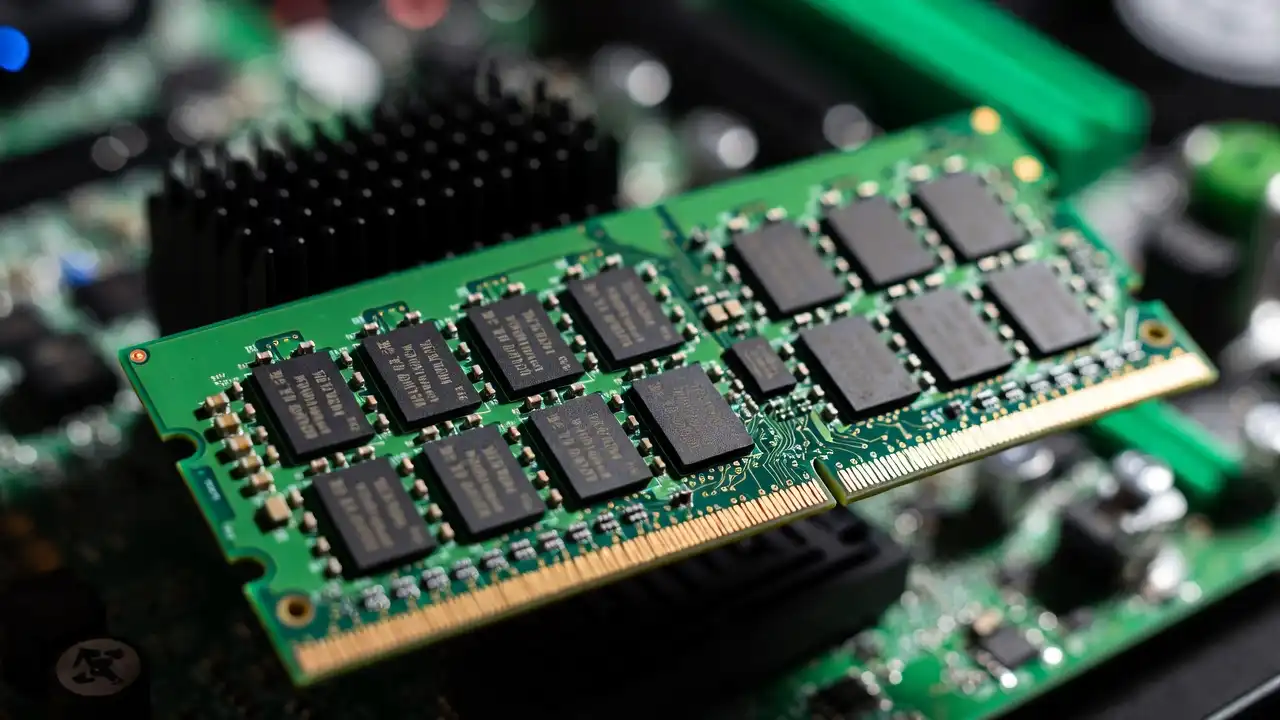
- The sudden price adjustments are a direct result of an unprecedented global shortage of memory and storage chips, which have been heavily monopolized by the AI boom.
- Apple raised prices on several devices by up to $1,300, while Microsoft announced that Xbox console storage and memory costs have surged by more than 2.5 times.
- Supply chain executives warn that the critical hardware shortage will persist for years, with component prices expected to double again by the fall of 2027.
The era of cheap, steadily declining consumer electronics prices has come to a sudden halt, driven by the realities of the global computing race. Within a span of just five hours, technology titans Apple and Microsoft announced massive, unexpected price increases across some of their most popular consumer devices, including iPads, MacBooks, and Xbox video game consoles. Both companies explicitly blamed a severe, structural shortage of memory and storage chips, which have been heavily prioritized for artificial intelligence data centers. This rapid wave of hardware inflation represents a significant turning point, proving that the corporate rush to secure AI processing power is now directly taxing everyday consumers.
Apple led the charge by updating its official pricing channels with steep price increases affecting multiple product tiers. The company’s budget-focused MacBook Neo, which launched earlier this year at an attractive $599 price point to win over entry-level students, jumped by nearly 17% to $699. The MacBook Air 512GB increased from $1,099 to $1,299, while the standard one-terabyte MacBook Pro surged by $300 to reach $1,999. Tablet buyers did not escape the margin pressure, as the base price of the iPad Air rose by $150 to $749, and the premium iPad Pro jumped to $1,199. The most extreme price hike was reserved for the enterprise-grade Mac Studio with the M3 Ultra chip, which saw an astounding $1,300 price surge to retail at $5,299.
Shortly after Apple’s announcement, Microsoft followed with its own aggressive hardware pricing restructuring. Effective August 1, the company will completely discontinue the high-capacity, two-terabyte version of its Xbox Series X console, which previously retailed as its premium gaming option. Simultaneously, the retail price of the entry-level 512-gigabyte Xbox Series S will increase by $100 to $499.99, while the one-terabyte models of both the Series S and Series X will jump by $150 to reach $599.99 and $749.99, respectively. This major adjustment is particularly painful for gamers, as it follows a separate round of price hikes that Microsoft implemented just last year, establishing a brand-new baseline for console gaming.
The official statements released by both companies paint a highly concerning picture of the global semiconductor supply chain. Apple’s corporate communications team noted that the firm has never seen a component price increase of this scale, occurring so rapidly. The company explained that while it had successfully shielded its customers from rising chip costs in recent quarters, component pricing had reached a critical threshold where passing the bills to consumers became unavoidable. Microsoft’s hardware division echoed these concerns, revealing that console storage and memory prices have surged by more than 2.5 times in recent months, with internal projections pointing to another doubling of memory costs by the fall of 2027.
The severity of the semiconductor crisis has drawn public validation from some of the tech sector’s most prominent leaders. Tesla CEO Elon Musk publicly backed Apple Chief Executive Officer Tim Cook’s description of the ongoing components crisis. Writing on the social media platform X, Musk confirmed that the current surge in memory pricing is the single largest supply chain issue facing the global tech sector, noting that his own electric vehicle and AI ventures are also feeling the immense financial strain. This high-profile alignment proves that the memory squeeze is not a localized corporate issue, but a systemic crisis affecting every segment of modern manufacturing.
The primary driver behind this severe hardware shortage is the massive, capital-intensive artificial intelligence data center boom. Global technology conglomerates are investing hundreds of billions of dollars to construct massive computing hubs capable of training and running complex AI models. Because these data centers require massive quantities of specialized, high-bandwidth memory (HBM) and enterprise-grade dynamic random-access memory (DRAM), leading chip manufacturers like Samsung, SK Hynix, and Micron have shifted almost all of their production capacity to meet these lucrative corporate orders. This massive shift has left the consumer electronics sector starved of conventional memory wafers, triggering a historic supply squeeze.
Market analysts warn that these price hikes will have highly uneven effects across different segments of the tech industry. For high-margin, premium devices like MacBooks and iPads, the price increases are unlikely to heavily deter loyal customers, as Apple’s consumer base historically displays high brand stickiness and can absorb premium pricing. However, for highly commoditized segments like smart speakers and streaming TV boxes—such as the Apple TV, whose price tag recently jumped nearly 55% to $199—these price hikes could prove devastating. Analysts predict that these increases will drive budget-conscious consumers directly into the arms of cheaper, subsidized alternatives from Google and Amazon.
While trillion-dollar conglomerates can use their immense financial reserves and supply chain leverage to secure components, smaller hardware developers are facing a full-blown existential crisis. Market intelligence firms point out that memory suppliers are currently prioritizing high-volume, premium contracts, leaving smaller developers completely locked out of the supply chain. Startups and mid-tier manufacturers who cannot negotiate bulk pricing are finding themselves pushed to the volatile spot market, where they must pay exorbitant prices to secure basic memory chips. If the current components crisis continues, it could force a massive wave of consolidation, wiping out independent hardware innovation.
Ultimately, the sudden price hikes from Apple and Microsoft prove that the physical realities of the silicon supply chain will heavily dictate the pace of digital innovation. While the software sector continues to promote the boundless potential of the cloud, physical hardware must still be built, packaged, and shipped to consumer homes. Industry executives warn that this structural memory shortage is unlikely to resolve before 2028, as building new semiconductor fabrication plants requires years of planning and capital. Until supply and demand return to a balanced state, consumers must prepare for an era where their favorite gadgets, personal computers, and gaming consoles will remain significantly more expensive.