

Key Points:
- Jeff Bezos is personally steering an AI-first redesign of Amazon Prime Video codenamed “Project Lighthouse.”
- The overhaul will expose over 200 million Prime Video subscribers to generative AI recommendations and conversational search.
- The interface features AI-generated viewing tiles driven by natural prompts like “1980s action movies” or “Christmas rom-coms.”
- The initiative showcases Amazon’s $200 billion annual capital investment in artificial intelligence technologies.
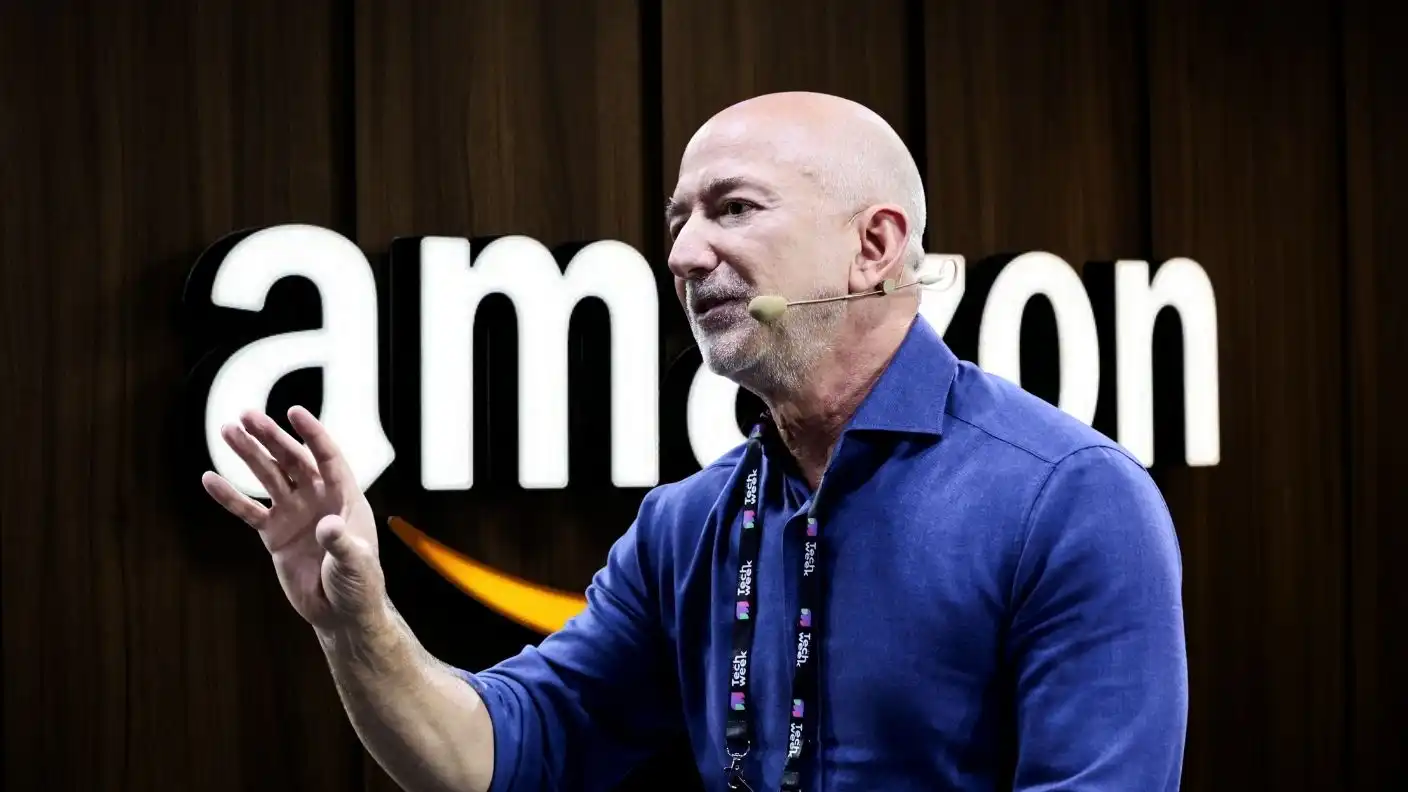
Amazon founder and Executive Chairman Jeff Bezos is personally driving a radical, artificial intelligence-led redesign of the Amazon Prime Video streaming platform. Internally codenamed “Project Lighthouse,” the initiative aims to transform how more than 200 million active subscribers discover and interact with movies, television series, and live sports. The high-profile overhaul aims to turn Prime Video into a prominent consumer showcase for the hundreds of billions of dollars Amazon is pouring into artificial intelligence technologies.
The impetus for Project Lighthouse emerged following a contentious internal presentation between Bezos and senior streaming executives last autumn. Bezos expressed strong dissatisfaction that initial plans to update the app interface failed to place artificial intelligence and personalized user recommendations at the center of the customer experience. Following Bezos’s direct intervention, Prime Video Chief Executive Officer Mike Hopkins and Global Head of Design Kam Keshmiri scrapped their previous design frameworks and pivoted entirely to an AI-first architecture.
Project Lighthouse introduces significant changes to the traditional grid-style streaming homepage that viewers have navigated for years. Instead of static carousels categorized solely by rigid genres, the app will feature dynamic AI-generated viewing tiles built around natural language prompts. Subscribers can expect personalized recommendation rows categorized by specific thematic requests, such as “1980s sci-fi thrillers” or “Christmas romantic comedies,” generated in real time based on individual viewing habits and search history.
In addition to visual interface changes, Project Lighthouse integrates conversational artificial intelligence directly into Prime Video’s search bar. Viewers will interact with an upgraded version of the Alexa voice assistant capable of processing complex, natural spoken requests rather than simple keyword searches. Subscribers can speak directly into their smart TV remotes or mobile devices to request nuanced movie recommendations, query character backgrounds during playback, or locate specific scenes without manually browsing menu tabs.
The aggressive streaming overhaul reflects Amazon’s broader corporate strategy to justify its massive capital expenditure on artificial intelligence infrastructure. Amazon committed approximately $200 billion toward total capital spending in 2026, allocating the vast majority toward high-density data centers, custom silicon chips, and generative AI research. Furthermore, Amazon invested an initial $23 billion into frontier AI developers OpenAI and Anthropic, with corporate plans allowing for up to $40 billion in total commitments to maintain a competitive edge against tech rivals Google and Microsoft.
By embedding artificial intelligence into the core streaming interface, Amazon seeks to solve a persistent issue in modern digital entertainment: viewer choice paralysis. Industry studies show that average streaming subscribers spend over ten minutes searching through endless menus before selecting a program, frequently abandoning platforms altogether. By leveraging large language models to predict viewer preferences and curate content immediately, Prime Video aims to increase total watch hours, reduce customer churn, and drive higher engagement across its $8.5 billion MGM studio library.
Project Lighthouse builds upon previous AI experiments and platform modifications that Amazon deployed over the past two years. Amazon previously integrated its Amazon Bedrock foundation models into Prime Video to write concise plot summaries and create personalized content collections. Concurrently, Amazon introduced ad-supported tiers and upgraded 4K playback options, generating multi-billion-dollar advertising revenues. Bezos’s personal involvement in Lighthouse ensures that future interface updates harmonize advertising goals with seamless, AI-driven content discovery.
Amazon is already testing early prototype versions of the Lighthouse interface with small, select groups of global subscribers. While executives have not finalized the ultimate design layout or announced a firm public launch date, internal development teams are actively evaluating viewer feedback on conversational voice search and dynamic tile arrangements. Traditional search bars, live sports hubs for Thursday Night Football, and top-screen promotional banners for major releases will remain intact alongside the new AI discovery modules.
Jeff Bezos’s hands-on direction of Project Lighthouse signals a major shift in how entertainment companies deliver digital media to consumers. As competing platforms explore basic recommendation algorithms, Amazon’s attempt to place generative AI at the center of its user interface sets a new benchmark for the streaming industry. If successful, Project Lighthouse will not only elevate Prime Video’s market position against Netflix and Disney+, but also demonstrate to investors that Amazon’s multi-hundred-billion-dollar artificial intelligence bet can directly enhance everyday consumer products.






