Key Points:
- Apple developed its first foldable smartphone, the iPhone Ultra, over a ten-year engineering cycle that began in 2016.
- The device is expected to start around $2,199, with higher-tier storage configurations approaching nearly $3,000.
- The handset features a 5.5-inch cover screen that unfolds into a 7.8-inch crease-free OLED display powered by a 2nm A20 Pro chip.
- Rising memory component costs, up over 300% in a year, pushed the starting price above Apple’s original $1,999 target.
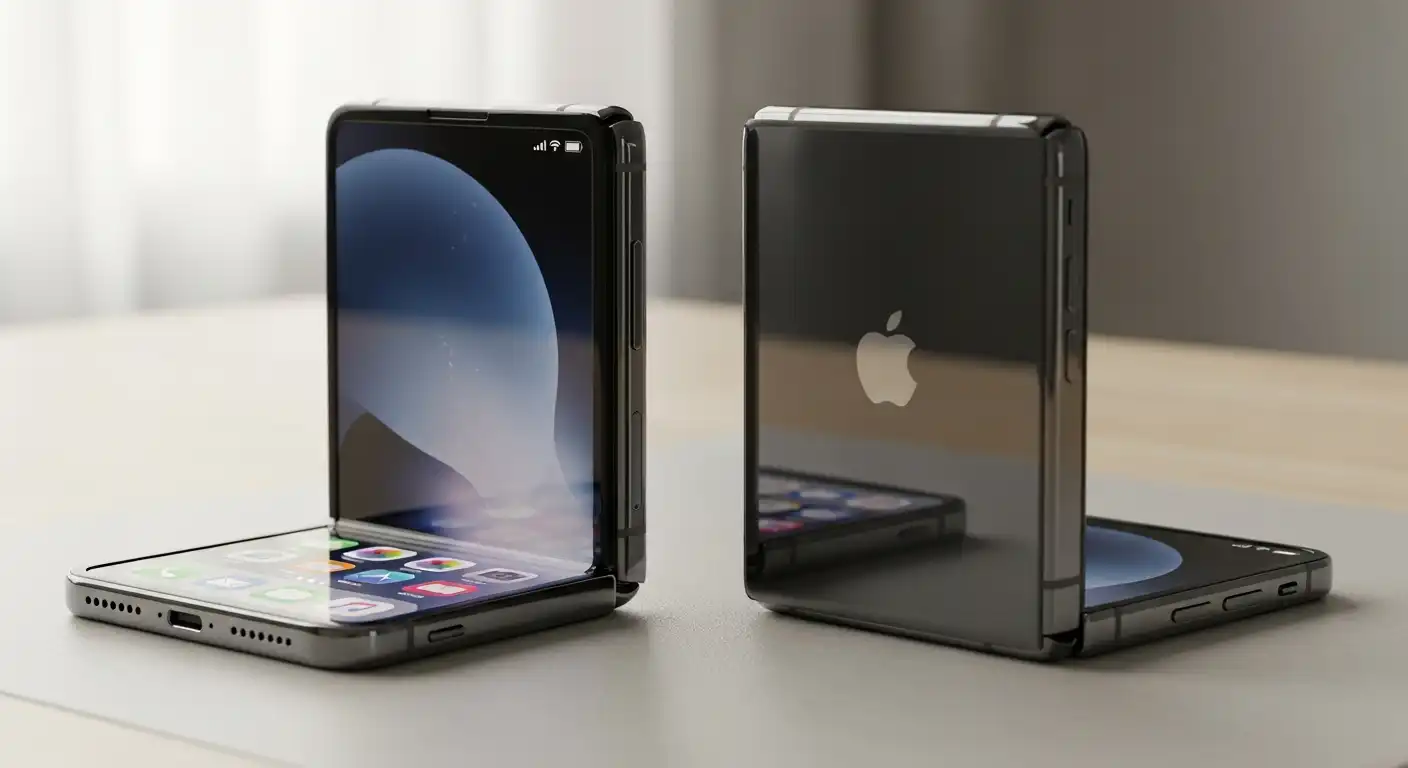
Apple is preparing to enter the foldable smartphone market with the launch of its long-awaited foldable iPhone, a luxury device developed under the internal codename iPhone Ultra that carries a price tag exceeding $2,000. The landmark product represents the culmination of a decade of intensive engineering and display research dating back to 2016. As new Chief Executive Officer John Ternus prepares for his first major hardware keynote since succeeding Tim Cook, the ultra-premium foldable marks Apple’s boldest industrial design transformation in nearly two decades.
The pricing strategy for the device reflects both its complex mechanical engineering and recent inflationary pressures across global component supply chains. Apple originally targeted an entry-level retail price of $1,999 to recreate the psychological impact of the original iPhone X launch in 2017. However, an acute global memory shortage and rising semiconductor fabrication costs pushed internal pricing targets to roughly $2,199. With premium storage configurations spanning up to 2 terabytes, top-tier editions of the device could approach $3,000.
The decade-long development path gained decisive corporate momentum around 2020 following a strategic executive intervention by former Chief Executive Tim Cook. After returning from a series of visits to Asia, Cook observed firsthand the rapid consumer adoption of folding smartphones manufactured by rivals like Samsung and Huawei. Cook urged Apple’s hardware engineering division to accelerate its development timeline and redirected the project away from an experimental folding iPad concept toward a mainstream foldable iPhone.
Hardware engineers designed the device around a book-style passport form factor that prioritizes pocketability and expansive screen real estate. On the exterior, the handset features a 5.5-inch OLED cover display with a 120Hz refresh rate for quick daily interactions and one-handed texting. When opened, the device reveals a massive 7.8-inch flexible OLED internal display with an iPad-style 4:3 aspect ratio, giving mobile professionals ample digital canvas for split-screen multitasking, document editing, and immersive media playback.
Solving the persistent screen crease issue that has plagued rival foldables became a primary engineering obsession for Apple’s design laboratories. The iPhone Ultra incorporates a specialized multi-gear hinge crafted from amorphous alloy metals and liquid-cast titanium. The mechanism allows the flexible panel to fold in a gentle teardrop shape within the chassis, creating a virtually seamless, crease-free viewing surface while keeping the device exceptionally slim at approximately 4.5 millimeters when unfolded.
Beneath the display, the foldable phone runs on Apple’s next-generation A20 Pro processor, fabricated on an advanced 2-nanometer manufacturing process by Taiwan Semiconductor Manufacturing Company. The chip utilizes a custom architecture paired with 12 gigabytes of high-bandwidth unified RAM to power complex on-device Apple Intelligence models, real-time voice translation, and spatial computing interfaces. To maintain sustained peak performance, engineers integrated a full-span vapor chamber cooling plate directly behind the battery cells.
Achieving an ultra-thin folding profile required specific hardware trade-offs. To minimize chassis thickness, Apple replaced the front Face ID depth sensor with a high-speed capacitive Touch ID fingerprint sensor integrated into the side power button. The camera housing adopts a streamlined dual-camera array featuring a 48-megapixel primary sensor with sensor-shift optical stabilization alongside a 48-megapixel ultra-wide lens. The device utilizes a split dual-cell battery design with a combined capacity of 4,883mAh distributed across both halves of the chassis.
Rising component expenses explain why Apple is positioning its first foldable at the upper boundary of consumer electronics pricing. A global shortage of high-bandwidth memory has driven mobile DRAM prices up by more than 300% over the past year as memory fabricators allocate cleanroom capacity toward artificial intelligence server clusters. This industry-wide supply crunch lifted average smartphone production costs by over 27%, forcing premium device makers to raise retail prices or sacrifice gross margins.
The debut of the iPhone Ultra lands squarely in a mature, competitive folding landscape where Asian manufacturers have refined multi-folding hardware for over six years. Samsung recently expanded its lineup with the Galaxy Z Fold 8 series, while Huawei and Xiaomi launched second- and third-generation tri-fold and book-style devices. However, Apple’s commanding lead in luxury consumer electronics and high customer retention rates give the company a decisive advantage in converting affluent smartphone buyers into foldable users.
As Apple prepares to unveil the iPhone Ultra alongside its standard flagship lineup, the $2,000-plus device marks a critical test for new CEO John Ternus and Apple’s hardware strategy. By delivering a refined, crease-free folding display backed by custom 2-nanometer silicon, Apple is attempting to redefine the luxury smartphone category and set the standard for the next decade of mobile computing.