Key Points:
- Australia’s gross domestic product grew 0.4% in the June quarter, topping economists’ forecasts of 0.3% and rising 2.1% year-on-year.
- Household consumption increased 0.4%, driven largely by electric and hybrid vehicle purchases, while essential spending fell 0.3%.
- Services imports dropped 4.9% as elevated fuel prices and geopolitical tensions in the Middle East disrupted international travel plans.
- Annual unit labor costs rose to 3.6% alongside flat productivity, keeping central bank policymakers on high alert over persistent inflation.
Australia’s economy expanded slightly faster than economists anticipated during the second quarter, although cautious household spending and cooling private investment signaled underlying softness across domestic demand. Official national accounts data showed that real gross domestic product (GDP) rose 0.4% in the three months through June, accelerating from a revised 0.3% increase in the March quarter and topping consensus forecasts of 0.3%. On an annual basis, economic output grew 2.1%, moderating from 2.5% in the prior quarter but exceeding the 1.8% rate projected by financial markets.
While the quarterly top-line figure delivered an upside surprise, detailed expenditure numbers reveal narrow, fragile momentum across the broader economy. Household consumption rose 0.4% during the June quarter, but gains remained heavily concentrated in selective categories. Discretionary spending climbed 1.4%, with nearly half of that increase stemming from car purchases as Australian drivers continued shifting toward electric and hybrid models. Conversely, spending on everyday essentials slipped 0.3%, highlighting the ongoing financial pressure on family budgets.
Higher energy prices and geopolitical turbulence in the Middle East directly impacted consumer spending patterns and international trade flows. Soaring automotive fuel costs discouraged domestic road travel, while airline schedule disruptions caused service imports to plunge 4.9% as households canceled or delayed overseas holiday trips. This sharp pullback in outbound tourism represented the steepest quarterly drop in foreign travel spending since the pandemic era.
Stronger export volumes provided crucial support to quarterly output. National exports expanded 0.8% over the quarter, driven by a rebound in thermal and metallurgical coal shipments following weather-related mining disruptions earlier in the year. Goods imports grew 2.4%, led by deliveries of imported passenger vehicles, commercial aircraft, and specialized industrial transport equipment. Net international trade contributed 0.1 percentage points to quarterly growth, registering its first positive contribution since late 2023.
Business capital expenditure lost steam after a strong expansion in the opening months of the year. Total private capital investment remained virtually flat as corporate spending on machinery and data center computing equipment tapered off following aggressive artificial intelligence infrastructure buildouts in the first quarter. While delivery of newly purchased commercial airplanes and heavy mining vehicles cushioned the decline, overall private business investment showed growing caution among corporate executives.
Public sector spending also moderated as major state and federal infrastructure projects reached operational maturity. Public investment growth slowed to an annualized rate of just 0.7%, falling well below the pre-pandemic historical average of 3.2%. State governments across New South Wales and Victoria are scaling back transport megaprojects to manage budget deficits, releasing construction labor and heavy equipment into residential housing and renewable energy developments.
In an unexpected development for household balance sheets, real disposable income climbed 0.6% during the quarter. Steady wage growth and modest tax adjustments helped lift household purchasing power despite higher mortgage repayments and utility bills. Consequently, the household savings ratio ticked slightly upward, suggesting that families chose to rebuild emergency cash buffers rather than increase daily retail spending.
Price and labor cost metrics inside the national accounts raised fresh concerns for monetary authorities. Employee compensation climbed 1.5% over the quarter, pushing annual labor cost growth to 3.6% from 3.2% in the March quarter. At the same time, labor productivity remained flat over the quarter and contracted by 0.2% compared to the prior year. Rising unit labor costs and persistent services inflation create ongoing challenges for economic policymakers striving to bring consumer price inflation back to target.
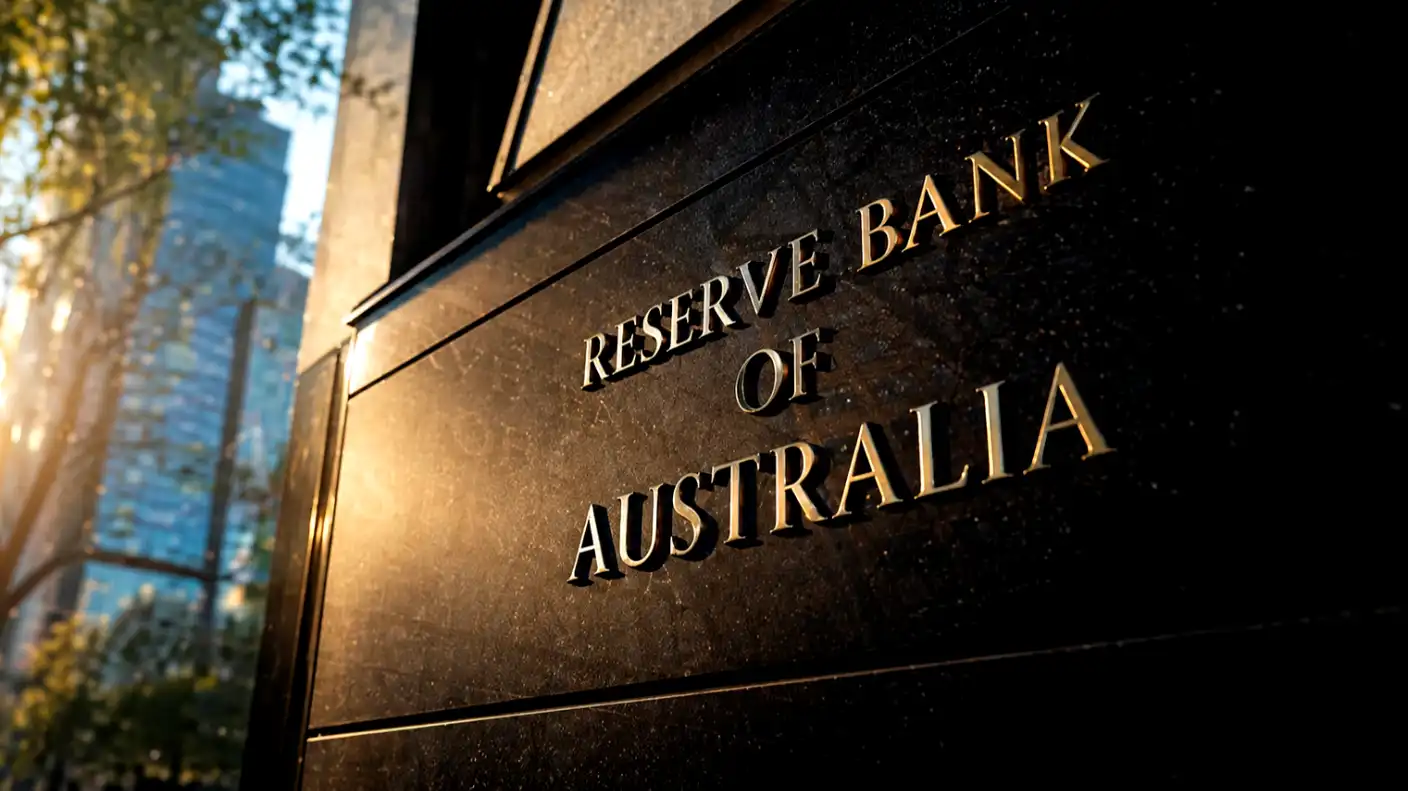
The stronger-than-expected GDP reading complicates the policy outlook for the Reserve Bank of Australia. The central bank raised its official cash rate three times earlier this year to combat elevated price pressures, with recent consumer price index readings showing headline inflation running at 3.5%. Because the economy is performing slightly firmer than the central bank’s 1.9% annual forecast, policymakers may feel compelled to maintain restrictive interest rates or consider additional monetary tightening before inflation returns to its 2% to 3% target corridor.
Economic analysts expect Australian economic growth to remain sluggish throughout the remainder of the year. Restrictive monetary policy, elevated living expenses, and uncertain global trade conditions will continue to restrain private consumption and corporate investment. While long-term investments in artificial intelligence data infrastructure and renewable energy grids offer structural support, the Australian economy faces an extended period of below-trend expansion as policymakers balance inflation control against economic growth.