Key Points:
- BETA Technologies completed its first operational flights under the FAA’s electric vertical takeoff and landing Integration Pilot Program (eIPP).
- Using the Alia CX300 electric aircraft, the mission transported manufactured organs developed by United Therapeutics over 275 nautical miles.
- The flights navigated a multistate corridor connecting four airports across Virginia and Maryland to test real-world medical logistics.
- Backed by the Trump administration, the eIPP initiative spans 26 states to gather critical data for permanent airspace regulations by 2028.
The next chapter of advanced air mobility has officially taken off in the United States, transitioning from speculative technical trials to active, real-world logistics. Vermont-based aerospace innovator BETA Technologies recently completed the first operational flights under the Federal Aviation Administration’s landmark eVTOL Integration Pilot Program, known as the eIPP. Operating in partnership with regional aviation authorities across three states, the electric aircraft completed a multi-stage, cross-border mission. The historic flight marks a major regulatory milestone for the electric vertical takeoff and landing sector, proving that zero-emission aircraft can safely navigate busy national airspace to execute high-stakes, time-sensitive missions.
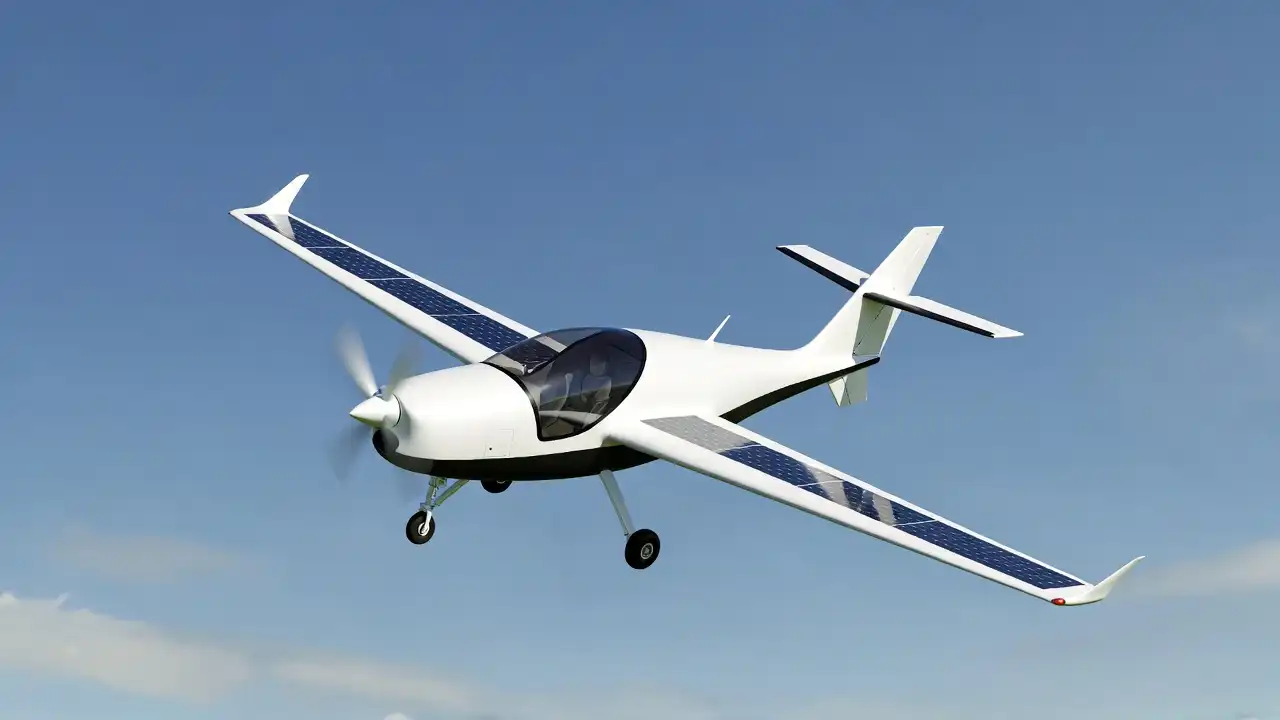
The initial flights served a critical, life-saving purpose: transporting manufactured organs developed by biotechnology pioneer United Therapeutics Corporation. The cargo included synthetic lungs and other bioengineered organs currently undergoing clinical trials. In a highly coordinated logistical sequence, the custom-built Alia CX300 electric aircraft carried the manufactured tissues safely over 275 nautical miles through a designated test corridor. The mission demonstrates how electric flight can drastically lower the cost and improve the speed of critical medical transport, helping deliver transplantable organs to regional hospitals and surgical teams before the fragile biological materials degrade.
The operational route tested the aircraft’s ability to navigate diverse, high-traffic commercial environments under standard air traffic control. The plane flew between four regional airports connecting Virginia and Maryland, beginning at Virginia Tech/Montgomery Executive Airport in Blacksburg, Virginia. It then touched down at Charlottesville-Albemarle Airport before crossing the state border to land at Frederick Municipal Airport in Maryland. The final leg of the flight concluded at Martin State Airport in Baltimore County. Navigating this complex, 275-nautical-mile corridor required close, real-time coordination with local air traffic controllers, demonstrating the platform’s readiness for standard regional operations.
This historic flight represents the first major milestone of a wider, multi-year federal initiative designed to fast-track advanced air mobility. Outlined in President Donald Trump’s “Unleashing Drone Dominance” Executive Order, the eIPP was established by the Department of Transportation and the FAA to accelerate the integration of electric vertical takeoff and landing systems. The program spans eight distinct pilot projects across 26 states, bringing together local authorities, aircraft manufacturers, and cargo operators. The goal is to collect extensive, real-world operational data over three years to help the FAA write permanent airspace regulations before commercial passenger service officially begins.
While several tech companies are participating in the federal program, the Vermont-based manufacturer has established a dominant lead. Federal selections show that the company is participating in seven of the eight active eIPP launch projects—more than any other competitor in the aerospace sector. This extensive involvement allows the firm to test its aircraft across diverse applications, including urban air taxi operations, regional cargo logistics, and offshore energy-sector transport. By securing a central role in nearly every federal test site, the company is ensuring its hardware design and operational software help write the regulatory rules for the next generation of flight.
The firm’s successful execution of the flight relies on a highly advanced, dual-platform aircraft strategy. The company is developing both the vertical takeoff eVTOL version and a conventional takeoff electric aircraft, the Alia CX300, which handled the medical flights. Additionally, the company is building the physical backbone for the entire industry by deploying a standardized, open-access aircraft charging network across the continent. To date, the company has successfully brought more than 123 charging sites online across the United States and Canada. This infrastructure footprint generates highly scalable, long-term aftermarket revenues while giving the firm a massive head start over its competitors.
Despite these highly encouraging technical milestones, the commercial advanced air mobility sector continues to navigate a challenging macroeconomic landscape. The aerospace startup went public on the New York Stock Exchange in November 2025, raising over $1 billion and securing an initial valuation of approximately $7.4 billion. However, like many high-profile tech IPOs, the stock has faced severe pressure over the past eight months, with shares falling roughly 50% from their listing peak. This valuation contraction reflects broader investor anxiety over regulatory delays and the high capital costs of bringing revolutionary physical hardware to market.
In contrast to the volatile capital markets of the aerospace sector, the company’s biotechnology partner has demonstrated exceptional financial and clinical strength. With a robust market capitalization of approximately $23 billion, United Therapeutics’ stock has gained over 84% over the past year. The firm’s strong performance follows a series of successful regulatory clearances for its bioengineered organs, including FDA approvals to initiate clinical trials for its heart, kidney, and bridge-liver systems. To support its long-term goal of manufacturing thousands of transplantable organs daily, the biotech firm requires a highly reliable, low-cost, and zero-emission transit network, making its long-term partnership with the aircraft manufacturer a key strategic pillar.
Ultimately, the successful completion of the first eIPP operational flights marks a critical pivot from speculative technology to practical reality. While the advanced air mobility industry continues to battle near-term capital constraints and regulatory hurdles, the physical flights carrying lifesaving organs prove that the technology is ready to deliver real-world utility. As the three-year federal testing program continues to collect critical operational data, it will pave the way for the FAA to grant full commercial type certification, currently targeted for 2028. The coming years will show how successfully these platforms scale their operations, but the physical foundations for an electric, autonomous aviation ecosystem are now officially flying in American skies.