Key Points:
- A Brazilian judge ordered the immediate suspension of environmental licenses and mining at Sigma Lithium’s Grota do Cirilo site.
- The civil lawsuit, filed by the Federation of Quilombola Communities, alleges that the mine infringes on traditional Afro-Brazilian lands.
- Technical records show the mine operates approximately 2.7 kilometers from the community, inside the mandatory 8-kilometer consultation buffer.
- Grota do Cirilo represents Brazil’s largest lithium mine, with an annual capacity of up to 330,000 metric tons of concentrate.
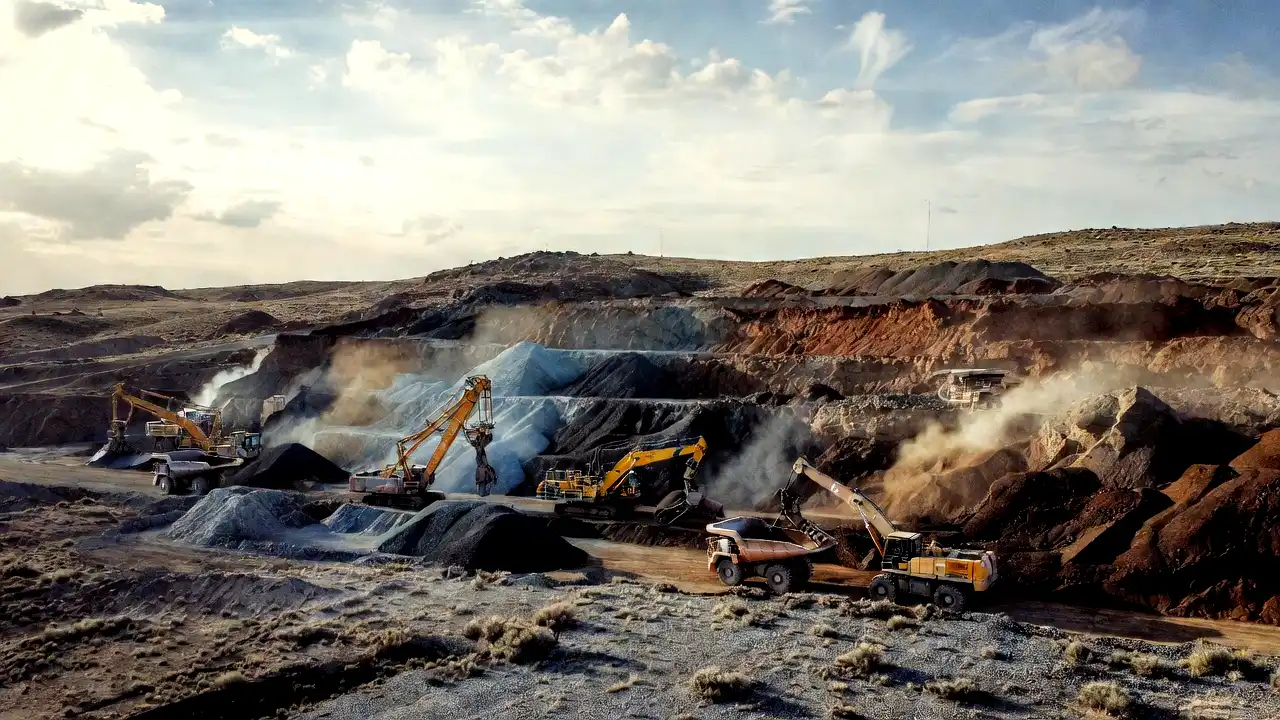
A Brazilian court ordered the immediate suspension of environmental licenses and mining operations at Sigma Lithium’s flagship Grota do Cirilo project in the state of Minas Gerais. The judicial injunction requires the company’s operating subsidiary, Sigma Mineracao, to halt all extraction activities at the site, which ranks as Brazil’s largest lithium-producing complex. The emergency ruling follows a civil lawsuit filed by traditional Afro-Brazilian community representatives, disrupting one of the Western Hemisphere’s primary hard-rock lithium supply hubs.
Judge Antonio Lucio de Oliveira Barbosa issued the suspension order in response to a lawsuit brought by the Federation of Quilombola Communities of Minas Gerais. The legal complaint alleges that the mining company misrepresented the geographic distance between its industrial pits and the traditional territory of the Bau Quilombola community. Quilombola settlements, established centuries ago by descendants of escaped enslaved people, hold protected legal status under the Brazilian Constitution, requiring specialized environmental and social impact reviews for nearby industrial projects.
In his ruling, the judge determined that the lithium mining complex operates well within the direct area of influence of the Bau community. Court records cited independent technical studies indicating that the community’s land sits approximately 2.7 kilometers (1.7 miles) from active extraction zones, placing it far inside the statutory 8-kilometer (5-mile) protection buffer that mandates formal community consultation. The judge warned that ongoing heavy blasting, seismic vibrations, and constant earthmoving just a few kilometers from traditional settlements create an immediate risk of irreparable harm to local residents.
In addition to halting current mining and processing operations, the court imposed strict administrative restrictions on regional government authorities. The judge ordered environmental agencies in Minas Gerais to freeze the issuance of any new operational or expansion permits for the mining site. The court also ordered an independent georeferencing survey to map the exact geographic boundaries between the mining concessions and the traditional Afro-Brazilian territory.
Sigma Lithium defended its operations, maintaining that the project complies with all state environmental regulations and operates outside the formal impact radius. Company representatives argued that state environmental regulators granted all operational licenses lawfully following comprehensive public reviews. The miner also asserted that because local community members do not possess finalized legal land deeds, the special statutory consultation framework should not apply to the existing mining site.
The judicial freeze deals a significant operational blow to the Grota do Cirilo complex, which serves as Sigma Lithium’s sole producing commercial asset. Located in the Jequitinhonha Valley—a region promoted by state officials as Brazil’s strategic “Lithium Valley”—the mine holds an annualized production capacity of 270,000 to 330,000 metric tons of high-purity lithium oxide concentrate. The project plays a critical role in supplying battery-grade spodumene to international electric vehicle battery manufacturers in North America and Asia.
The company has built its international brand around sustainable “green lithium” extraction, marketing its product as an environmentally responsible alternative to conventional open-pit mining. The Grota do Cirilo facility utilizes 100% dry-stacked tailings to eliminate the need for dangerous tailings dams, powers processing equipment with renewable hydroelectric energy, and reuses 100% of its industrial water. However, local community advocates argue that even dry-stacking methods generate excessive airborne dust and structural vibrations that disrupt daily life in neighboring villages.
This court-ordered shutdown marks the latest in a series of regulatory and legal confrontations facing the mining complex over the past year. State environmental inspectors previously suspended activity at specific waste rock piles following complaints regarding unpermitted dumping near regional creek systems, while labor inspectors reviewed workplace safety protocols. Although the company resolved prior administrative notices through compliance agreements with state officials, the civil lawsuit over traditional land rights introduces a more complex judicial challenge.
The suspension threatens to tighten global supply dynamics across the broader lithium market. With automotive manufacturers racing to secure non-Chinese raw material supplies to comply with Western clean energy trade rules, international supply chains rely heavily on South American hard-rock lithium producers. Halting shipments from Brazil’s top producer could trigger supply bottlenecks for international battery makers and push spot lithium spodumene prices higher.
Legal representatives for Sigma Lithium are preparing an emergency appeal to overturn the injunction in the Minas Gerais State Court of Justice. The company will request an expedited stay of the suspension while independent experts complete the georeferencing survey. The high-stakes legal showdown will test the balance between Brazil’s ambitions to become a global green energy superpower and its constitutional obligations to protect traditional community rights.