Key Points:
- Hybrid vehicles accounted for nearly one in four registrations in California during Q2, outstripping electric vehicle market share.
- EV registrations fell 8.2% year-on-year, driven down by high costs, the end of federal tax credits, and political shifts.
- Driven by Middle East hostilities, soaring gasoline prices reached $5.52 per gallon in California, fueling the demand for hybrid efficiency.
- Despite the wider EV slowdown, Tesla registrations in California rose 11.8% in Q2, recovering from political backlash last year.
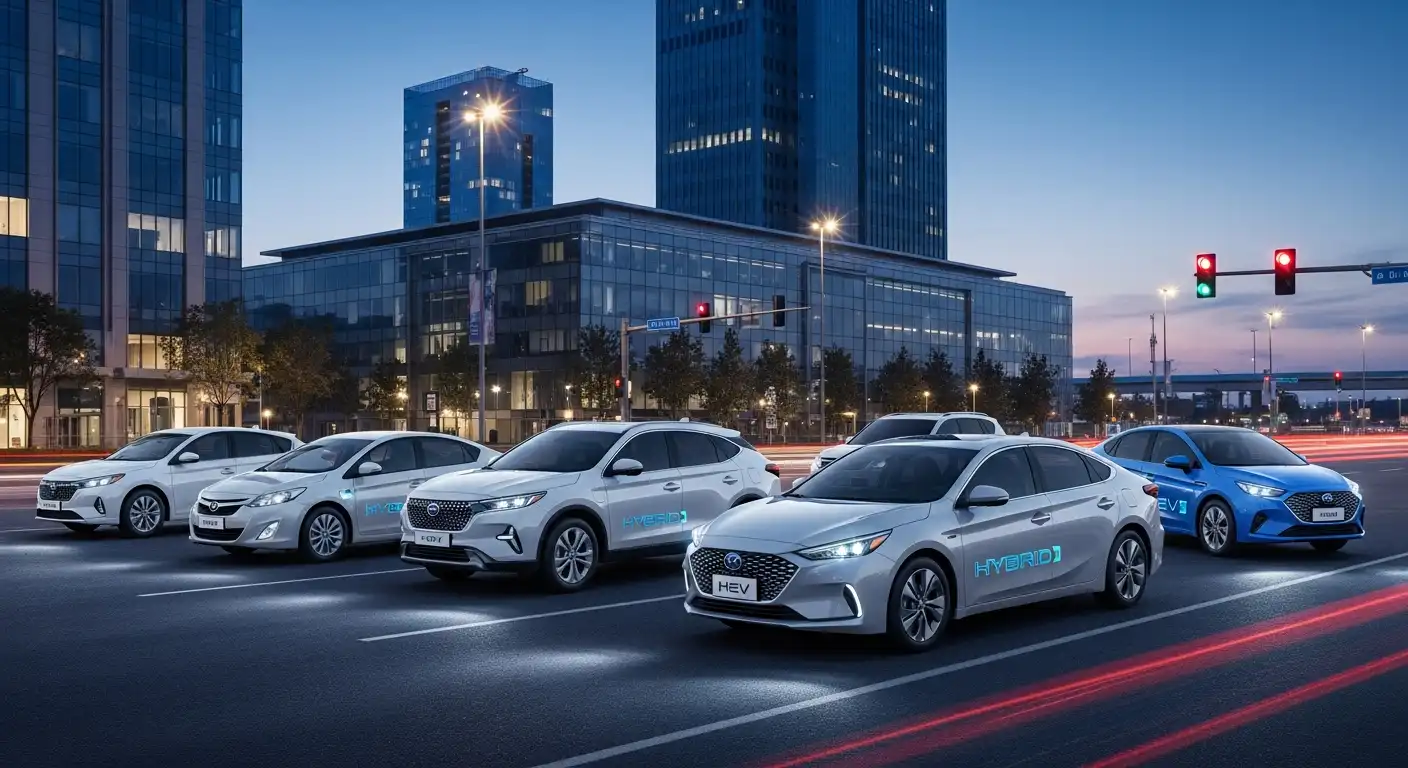
Even in America’s strongest redoubt for electric mobility, car-buying preferences are shifting rapidly toward a more practical alternative. The California Hybrid Car Boom has taken center stage, with gasoline-electric hybrid vehicles accounting for nearly one in four new automobile registrations in the state during the second quarter of the year. This sudden surge in hybrid popularity has outpaced the market share growth of pure electric vehicles (EVs), demonstrating that consumers are seeking fuel efficiency without the infrastructure anxieties and premium pricing of battery-only fleets.
In contrast to the booming hybrid market, pure electric vehicle registrations have suffered a significant, year-on-year contraction. EV registrations in California fell 8.2% compared to the same three-month period last year, capturing only 17.8% of the total quarterly market share. This downward trend represents a major cooling from the peak performance of previous years. Nationally, the story is even more severe, with total U.S. EV sales dropping 27% during the first quarter as automakers scale back production and consumers reconsider their all-electric transition plans.
The primary driver behind this sudden EV market cooling is a combination of rising vehicle prices, high borrowing costs, and the termination of vital government incentives. The federal $7,500 tax credit for U.S.-made electric vehicles expired permanently on September 30, 2025, instantly raising the effective purchase price of battery-powered cars for the average consumer. This loss of federal support, coupled with the high manufacturing costs of early-stage platforms, has forced several major automakers to take billions of dollars in write-downs, delay next-generation EV lines, and shift their focus back to more profitable internal combustion and hybrid models.
While the loss of subsidies has slowed the EV market, a sharp and persistent energy crisis is driving consumers directly into the arms of hybrid manufacturers. Ongoing military conflicts in the Middle East and shipping blockades in the Strait of Hormuz have pushed crude oil prices past $91 a barrel, triggering a massive price spike at domestic fuel pumps. The national average price for a gallon of regular gasoline has climbed past $4.02, while California motorists face a staggering average of $5.52 per gallon. For drivers looking to slash their monthly fuel bills without making the major lifestyle changes required to run a full EV, hybrid cars present the ultimate economic solution.
This high-volume shift is highly visible in the specific vehicles dominating the state’s best-sellers list. Highly efficient crossovers like the Honda CR-V hybrid and the Toyota RAV4 hybrid have emerged as major volume engines, outperforming standard gasoline models and rival electric crossovers. By combining a reliable, low-emission internal combustion engine with an integrated electric motor, these highly popular vehicles deliver exceptional fuel economy without requiring drivers to navigate the country’s still-unreliable and fragmented public charging infrastructure.
Despite the broader EV slowdown, the market leader managed to record a surprising regional recovery in California. The company registered 45,953 new vehicles in the state during the second quarter, representing an 11.8% increase compared to the previous year. This rebound represents a significant, hard-fought stabilization after a highly challenging previous year, when political backlash over the chief executive’s controversial social media commentary and aggressive political involvement led to a sharp drop in regional sales, with angry buyers spray-painting cars and boycotting the brand in its former Bay Area stronghold.
However, this short-term sales rebound has not entirely erased the long-term damage to the automaker’s balance sheet. On a year-to-date basis, the company’s total registrations in California remain down 6.5%, proving that the brand’s overall regional dominance is slowly eroding. Nationally, the picture looks even more challenging, with total domestic deliveries dropping by 13.1% during the most recent quarter as legacy carmakers and cheap, incoming Chinese imports chip away at its core market share. Nevertheless, the Model Y remains the best-selling vehicle of any kind in California, proving the enduring popularity of its core crossover.
To combat the broader decline in zero-emission vehicle (ZEV) sales and offset the loss of federal tax credits, the state government is taking matters into its own hands. State leadership has proposed a new, $200 million tax rebate program designed specifically to lower the cost of new and used electric vehicles for first-time, low-and-middle-income buyers. To qualify for the program, which requires matching funds directly from participating automakers, car buyers must meet strict income thresholds, ensuring that public subsidies target the price-sensitive consumers most likely to defer their purchase due to the loss of federal incentives.
The rapid cooling of the EV market has forced major American automakers to dramatically scale back their ambitious electrification targets. Companies like Ford, General Motors, and Stellantis have taken billions of dollars in write-downs, canceled highly anticipated electric truck platforms, and postponed the construction of several battery manufacturing facilities. By retreating from their previous all-electric roadmaps, these legacy carmakers are choosing to protect their near-term cash flows and prioritize the production of high-margin combustion-engine trucks and profitable hybrid crossovers.
Ultimately, the massive boom in hybrid vehicle registrations in California proves that the transition away from fossil fuels is taking a much more gradual and pragmatic path than many policymakers originally envisioned. By choosing the practical efficiency of gasoline-electric hybrids over the high upfront costs and charging infrastructure anxieties of pure EVs, consumers have sent a clear message to the automotive industry. As high fuel prices persist and automakers continue to adjust their product portfolios, the success of this hybrid-first model will determine how the global transport sector balances environmental goals with consumer reality.