Key Points:
- Beijing has established strict boundaries regarding development rights, semiconductor access, and tariff thresholds before major international trade discussions.
- Chinese diplomats emphasize an inalienable right to development while rejecting external pressure concerning domestic economic policies.
- Officials warn against semiconductor export controls and any tariff adjustments that exceed thresholds established in previous bilateral agreements.
- Beijing is also communicating these non-negotiable boundaries to European Union partners to prevent transatlantic alignment on restrictive trade actions.
International trade dynamics face fresh friction as Beijing establishes strict boundaries regarding its economic model ahead of pivotal negotiations with Western powers. As preparations ramp up for comprehensive discussions with both the European Union and the United States, Chinese officials have made it clear that core components of their state-guided economic framework remain completely non-negotiable. This diplomatic positioning signals that Beijing enters the upcoming dialogue from an unyielding stance, ready to push back against external demands for structural reform.
The core of Beijing’s boundary-setting centers on what leadership defines as an inalienable right to national development. In practical diplomatic terms, this translates to fierce opposition against foreign semiconductor restrictions and technology export bans. Chinese representatives argue that aggressive trade controls implemented by Western governments unfairly target domestic high-tech industries under the guise of national security. Consequently, restrictions on advanced chips and artificial intelligence hardware remain primary sticking points that Beijing refuses to compromise on.
Tariff thresholds also form a major part of these newly drawn red lines. Following recent tariff adjustments by Washington that imposed duties ranging between 10% and 12.5% on select imported goods, Chinese diplomats issued clear warnings against further escalation. Beijing insists that tariff rates must not breach historical ceilings established during prior high-level presidential summits, specifically pointing to a 20% cap negotiated in earlier diplomatic accords. Any unilateral actions pushing tariffs beyond that boundary will trigger immediate retaliatory measures.
Beyond traditional trade metrics, Beijing is actively pushing back against foreign inquiries regarding industrial overcapacity and labor practices. Western governments frequently criticize domestic manufacturing subsidies, arguing that state support creates unfair global market imbalances. In response, Chinese officials frame these accusations as protectionist pretexts designed to justify new punitive duties on export goods. Diplomacy channels reject any external interference in domestic industrial planning or manufacturing strategies.
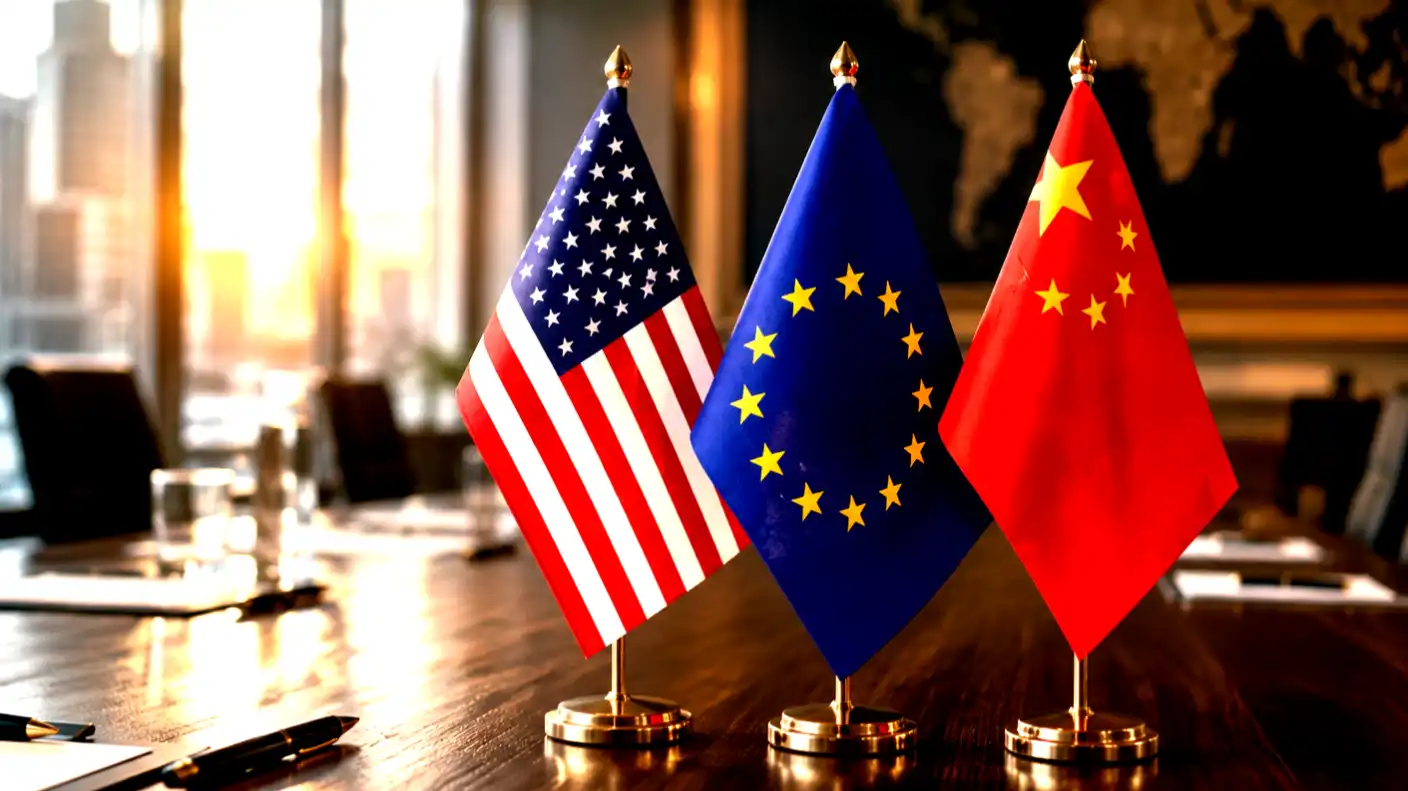
Simultaneously, Chinese trade envoys are engaging European Union capitals to prevent a united transatlantic front against domestic exports. Recognizing the delicate balance of European economic interests—where nations wish to preserve lucrative manufacturing ties while addressing supply chain dependencies—Beijing seeks to carve out separate diplomatic pathways. By establishing firm expectations early, officials hope to dissuade European regulators from adopting aggressive trade restrictions similar to those enforced by Washington.
As global supply chains navigate these mounting geopolitical divisions, the upcoming trade talks carry immense weight for the international economy. Both Western leaders and Eastern policymakers face the challenge of balancing domestic political pressures with the necessity of maintaining open commercial channels. Until both sides find common ground on technology access and tariff limits, global markets will remain sensitive to every shift in diplomatic posture.