Key Points:
- Chinese President Xi Jinping proposed creating a BRICS Open-Source AI Zone to share models and tech training across the Global South.
- The proposal introduces five major initiatives covering AI collaboration, smart manufacturing, trade zones, and cloud infrastructure.
- The expanded 11-nation BRICS bloc represents over 40% of the global population and approximately 25% of global economic output.
- The initiative promotes open-source AI architectures as an alternative to proprietary models developed by Western tech giants.
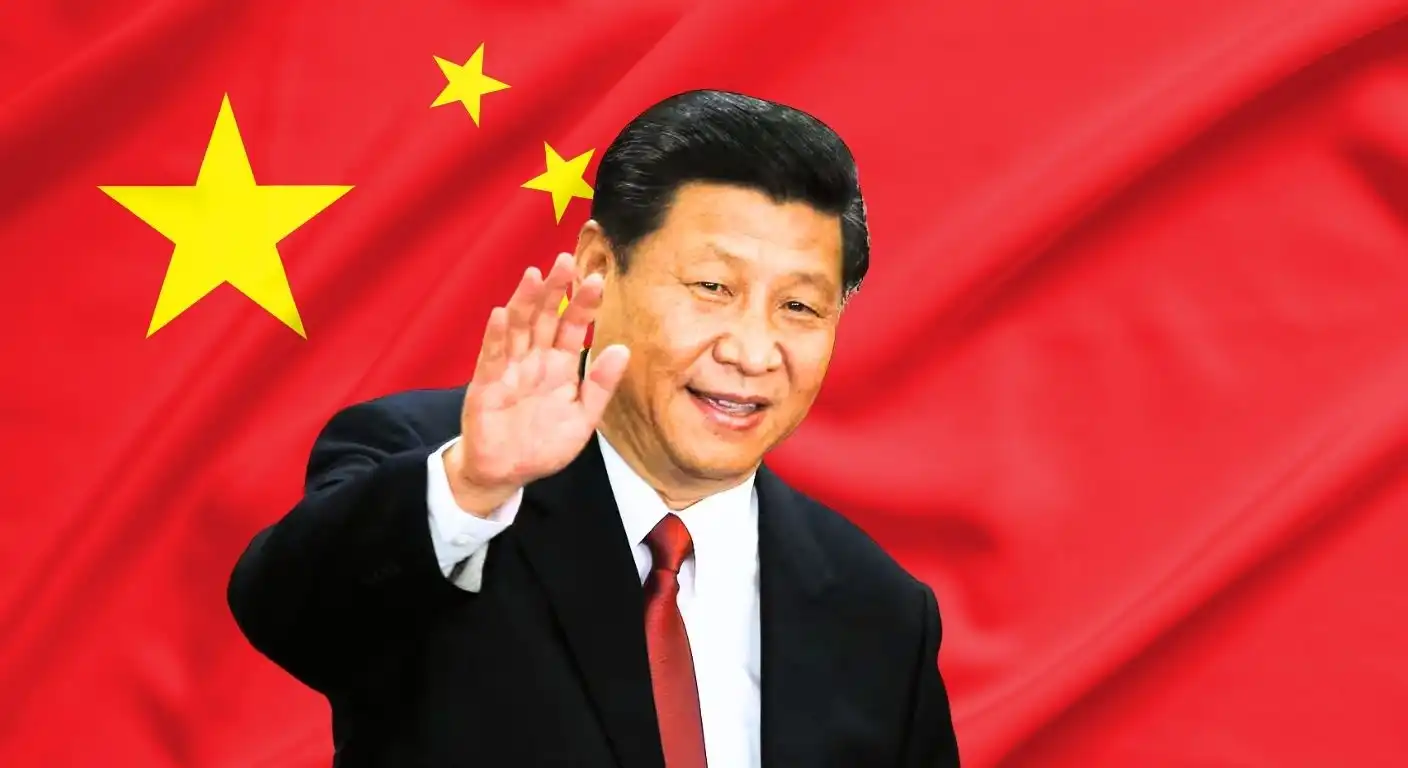
Chinese President Xi Jinping proposed creating an open-source artificial intelligence zone for member nations of the expanded BRICS bloc, offering to share Chinese foundation models and advanced digital infrastructure across the Global South. Speaking at the 18th BRICS Summit in New Delhi, Xi presented a comprehensive five-point technology roadmap designed to deepen cooperation on large language models, smart manufacturing, and cloud computing platforms. The initiative marks an ambitious move by Beijing to build an alternative global technological ecosystem that challenges Western dominance in generative artificial intelligence.
Under the proposed initiative, China will take the lead in establishing the BRICS AI Open-Source Community to help emerging economies develop, train, and deploy advanced artificial intelligence applications. The framework includes specialized research and technical training programs, technology transfers, and the creation of a shared BRICS digital ecosystem cloud platform. By providing accessible software architectures, China aims to help developing nations integrate machine learning into public services, healthcare, and industrial manufacturing without paying expensive licensing fees to Western tech corporations.
The proposal highlights a fundamental strategic divide in global artificial intelligence development. While leading American tech labs—including OpenAI, Google, and Anthropic—have largely pursued proprietary, closed-door commercial models, Chinese software firms have championed open-weight releases that allow outside developers to download, inspect, and modify model code freely. Promoting open-source AI allows Beijing to expand its digital influence across emerging markets, embedding Chinese technical standards into digital infrastructure across Asia, Africa, the Middle East, and Latin America.
The technology push formed part of a broader five-point cooperation framework presented to leaders of the 11-nation bloc. Alongside the open-source artificial intelligence zone, Xi proposed establishing a BRICS Special Economic Zone partnership to coordinate industrial policies, create an engineering training alliance, launch youth scientific innovation exchanges, and host an international service trade forum. The proposals aim to cultivate new economic growth drivers and stabilize cross-border supply chains among emerging economies.
The summit marked the 20th anniversary of BRICS cooperation, showcasing the rapid expansion of a diplomatic group that originally comprised Brazil, Russia, India, China, and South Africa. Following recent diplomatic expansions, the alliance now includes Egypt, Ethiopia, Indonesia, Iran, and the United Arab Emirates. Together, the 11 member nations represent more than 40% of the world’s population and roughly 25% of global economic output, giving the bloc substantial collective weight in international commerce and natural resource markets.
Xi urged member nations to reject unilateral trade restrictions and power politics, emphasizing that all countries deserve equal participation in shaping the rules of the global digital economy. The Chinese leader called for establishing a broad, consensus-based international governance framework for artificial intelligence, arguing that technological development should foster shared prosperity across the Global South rather than reinforcing monopolies controlled by developed Western nations.
However, the technology proposals revealed underlying competitive tensions within the bloc. Summit host Indian Prime Minister Narendra Modi delivered a pointed counterpoint, warning international leaders against weaponizing critical mineral supply chains or using emerging technologies as instruments of economic coercion. While BRICS members share a collective desire to reduce reliance on Western financial systems and trade sanctions, regional rivalries and security concerns continue to shape how member states evaluate digital technology sharing.
The Chinese technology offensive arrives amid escalating semiconductor export restrictions and trade tariffs imposed by the United States. Washington has enacted sweeping export controls on advanced graphics processing units, high-bandwidth memory, and semiconductor manufacturing equipment to slow down China’s artificial intelligence development. By partnering directly with BRICS member states, Beijing is creating export markets for domestic hardware and open-source models, mitigating the impact of Western trade blockades.
The diplomatic initiative also sets the stage for upcoming high-level bilateral trade talks between Xi Jinping and United States President Donald Trump. Artificial intelligence governance, advanced semiconductor trade restrictions, and bilateral tariff policies will serve as central negotiating points during the high-stakes summit. Demonstrating broad technological alignment with Global South economies provides Beijing with diplomatic leverage as it pushes back against unilateral American tariffs and tech export controls.
As BRICS working groups evaluate the implementation of the open-source AI zone, China’s digital diplomacy signals a defining shift in the global technology race. By pairing open-weight artificial intelligence models with cloud infrastructure and industrial training across 11 major emerging economies, Beijing is actively constructing an interconnected digital network designed to reshape global technology governance and accelerate the technological independence of the Global South.