Key Points:
- The Federal Reserve kept benchmark interest rates steady in the 3.5% to 3.75% range.
- Three central bank officials dissented, voting for an immediate interest rate increase.
- Policymakers expressed rising concern over stubborn inflation, crude oil spikes, and new import tariffs.
- Financial markets weighed the unexpected hawkish shift as a sign of potential rate hikes ahead.
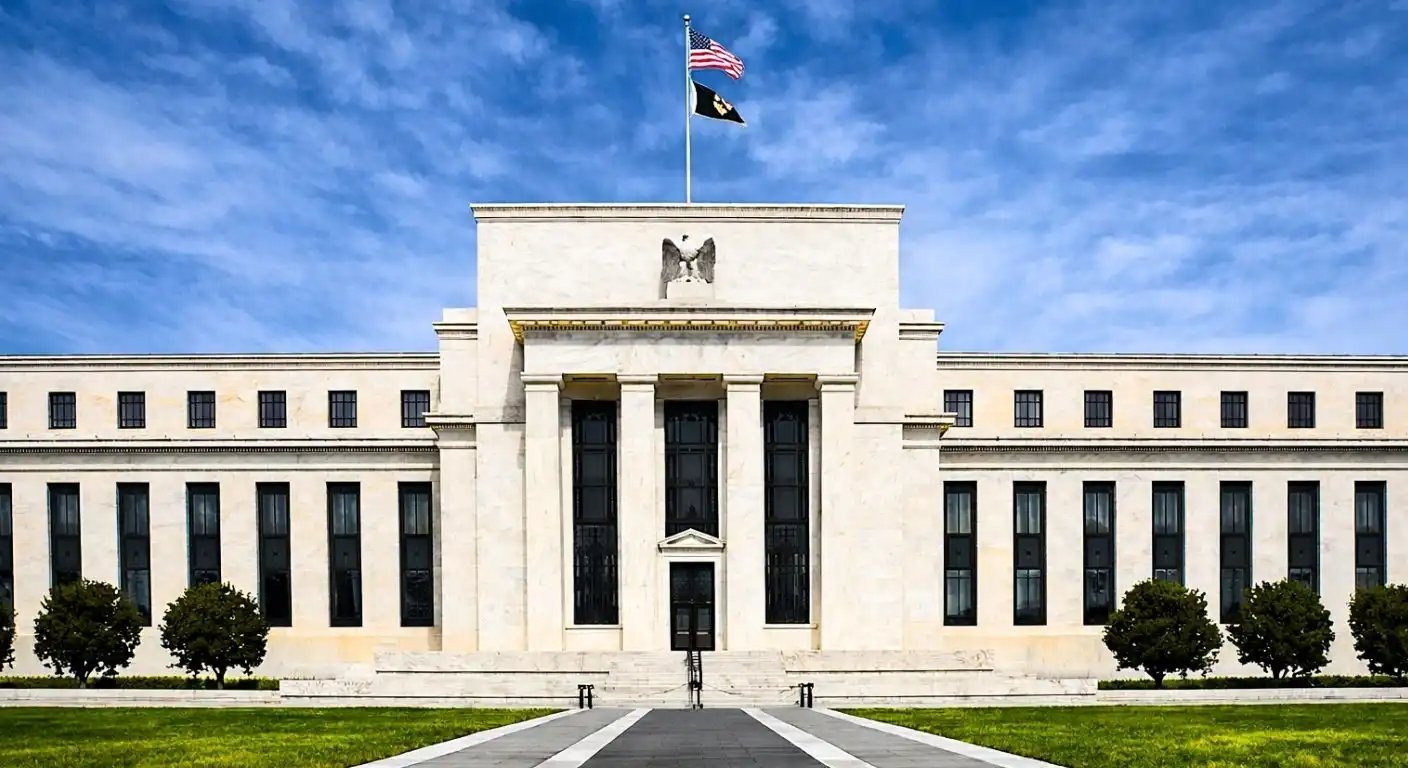
The United States Federal Reserve voted to keep its benchmark interest rate steady, but an unexpected surge in internal dissent revealed growing anxiety among central bankers over persistent inflationary pressures. During its scheduled monetary policy meeting, the Federal Open Market Committee maintained the federal funds rate in the 3.5% to 3.75% range. However, three regional Federal Reserve bank presidents broke ranks to vote in favor of a rate increase, marking one of the most significant splits within the central bank leadership team in recent years.
The rare triple dissent caught Wall Street traders completely by surprise, shifting market expectations regarding the future trajectory of monetary policy. While financial analysts broadly anticipated a unanimous rate pause, the dissenting policymakers argued that strong economic growth, climbing energy costs, and sweeping new federal trade tariffs require immediate preventative monetary tightening. The unexpected hawkish push signals that a growing faction of central bankers believes current interest rates are not restrictive enough to drag consumer inflation down to the 2.0% target.
Federal Reserve Chair Kevin Warsh addressed the internal division during his post-meeting press conference, acknowledging that policymakers face an increasingly complex economic backdrop. Warsh pointed to international crude oil prices holding above $90 per barrel, driven by geopolitical friction in the Middle East, alongside the implementation of Section 301 global import tariffs covering 99.4% of United States goods. These external cost shocks inject persistent upward pressure into the supply chain, complicating the final stretch of the central bank’s multi-year inflation fight.
The decision to hold rates steady while facing three dissents highlights the difficult balancing act confronting the central bank. On one side, dovish members emphasize that certain sectors of the economy are showing strain under 3.5% interest rates, pointing to high corporate debt costs and rising corporate bond yields. On the other side, the dissenting officials warn that pausing rate hikes too early risks unanchoring consumer inflation expectations, especially as heavy artificial intelligence capital spending drives up energy and industrial commodity prices nationwide.
Bond markets reacted swiftly to the hawkish policy signal. Yields on the benchmark 10-year United States Treasury note climbed toward 4.70%, while short-term bond yields pushed higher as traders priced in a higher probability of a policy rate hike later in the year. Higher government bond yields immediately translated into increased borrowing costs across commercial credit markets, pushing up mortgage rates and making corporate debt issuance more expensive for businesses seeking expansion capital.
Equity markets experienced heightened volatility following the release of the policy statement and dissent tally. High-valuation technology shares and growth stocks retreated as investors calculated the economic impact of prolonged high interest rates. Wall Street strategists noted that the unexpected division among Federal Reserve officials removes the certainty of a dovish pivot, forcing portfolio managers to reevaluate portfolio risk exposure across equities and fixed-income assets.
The unexpected triple dissent alters the political and economic landscape surrounding American monetary policy. As the central bank navigates persistent energy shocks, trade tariff adjustments, and robust consumer spending, incoming economic data releases will carry extreme significance. If upcoming employment and inflation reports show continued economic resilience or rising price pressures, the dissenting faction may convince additional committee members to support a rate increase at subsequent policy meetings.