Key Points:
- The “Freedom Fuel Network” suddenly launched 25 stations in Pennsylvania and New Jersey, offering heavily discounted fuel at $3.47 per gallon.
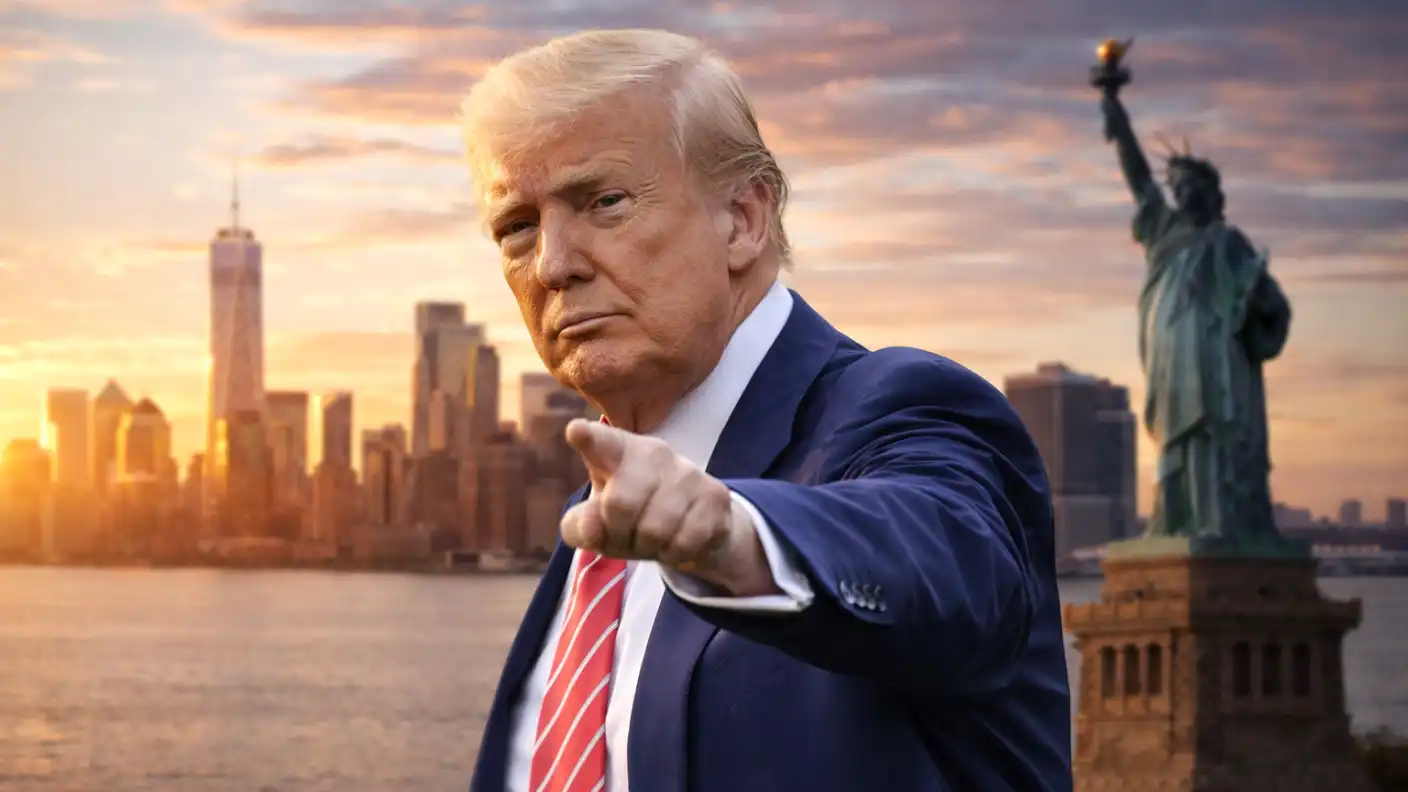
- President Donald Trump and the White House are actively promoting the network as proof of his administration’s efforts to lower pump prices.
- Industry experts and analysts question the economic sustainability of selling gas below market and wholesale rates without state subsidies.
- White House officials stated that the network is an entirely private venture operating with no federal funding or government subsidies.
A mysterious new player in the retail petroleum sector has suddenly emerged in the northeastern United States, offering heavily discounted gasoline that significantly undercuts both local market averages and standard wholesale costs. Dubbed the “Freedom Fuel Network,” the brand gained instant national attention after President Donald Trump and the White House actively promoted the franchise across social media platforms. The administration heralded the opening of the first location in Philadelphia, boasting a highly eye-catching retail price of $3.47 per gallon as a symbolic nod to Trump’s tenure as the nation’s 47th president. The sudden arrival of cheap fuel has brought relief to local motorists but has triggered intense scrutiny from energy market researchers and political analysts alike.
The newly branded network comprises 25 gas stations spread strategically across the greater Philadelphia metropolitan area and southern New Jersey. Rather than constructing new, ground-up retail outlets, the operators rapidly converted existing stations—previously operating under prominent national banners—slapping fresh red, white, and blue banners and decals over old pumps and convenience store structures. According to the network’s newly launched website, 20 of the participating locations sit within Pennsylvania, while the remaining five operate across the state border in New Jersey, establishing an immediate, high-volume retail footprint in a key regional transit corridor.
The high-profile rollout arrives at a highly sensitive moment, as motorists across the country continue to grapple with elevated fuel costs. National retail gasoline prices have been trending higher for months, driven primarily by raw crude oil price spikes linked to the ongoing military conflict in the Middle East. Independent motorist associations reported that the average price for a gallon of regular gasoline sat at approximately $3.84 nationwide and reached a painful $3.99 across Pennsylvania. By offering fuel at $3.47 per gallon, the new network provides drivers with immediate savings of roughly 20 to 50 cents per gallon compared to nearby competitors, offering tangible relief to cash-strapped families and college students.
The extremely low price point has sparked a fierce debate over whether the federal government is using public funds to artificially manipulate energy prices. Opponents and independent lawmakers have raised concerns, comparing the initiative to state-subsidized retail programs and raising questions regarding the separation of corporate and federal power. To defuse these criticisms, a White House spokesperson confirmed that the network is a completely private venture with zero connection to the federal government. Officials stated that the administration is not involved with the company, has provided no public funding or subsidies, and that no other public or private entity is subsidizing the discounted prices.
Despite the public denials of state-backed funding, the true ownership of the discount franchise remains shrouded in corporate secrecy. State business registries in Delaware show that “Freedom Fuel Network LLC” was officially incorporated as a limited liability company on June 23, 2026, just days before the first branded stations began opening their lanes. Because Delaware corporate laws allow companies to register without publicly disclosing their primary shareholders or executive board members, investigators have been unable to identify the individual investors or parent corporations financing the venture, fueling ongoing speculation regarding the true political and financial backing behind the price cuts.
Independent energy market analysts have expressed deep skepticism regarding the long-term economic viability of the company’s business model. Retail gasoline sales are traditionally a highly competitive, low-margin business, with individual station owners typically earning just a few cents of profit on each gallon of fuel sold while relying on convenience store items to cover their operational overhead. Industry experts point out that selling fuel at $3.47 per gallon—well below the prevailing wholesale cost of crude and refined petroleum—means the retail network is likely losing money on every single transaction. In a standard market economy, sustained losses of this scale are unsustainable unless a massive, well-capitalized outside entity is actively covering the deficit.
Some retail analysts suggest the network may be deploying a highly aggressive, short-term loss-leader strategy to capture market share. Under this model, businesses intentionally sell a high-volume product below cost to draw massive crowds into their stores, hoping to recoup the initial losses through the sale of high-margin convenience items, snacks, and car washes. However, while a temporary discount can work for a single independent station, running a sustained, multi-station discount network across two states requires immense capital reserves. If the low prices do not trigger a massive surge in high-margin convenience store sales, the operators will eventually have to raise their prices or face financial collapse.
The high-profile marketing campaign has also faced scrutiny over the authenticity of its promotional materials. When the President first announced the discount network on social media, the post featured an artificial-intelligence-generated image of a pristine, idealized gas station. This sparked immediate mockery from online critics, who claimed the “shadowy” network was a fictional marketing stunt. While real-world visits by local journalists have confirmed that physical, newly branded stations do exist, the reliance on synthetic imagery has added to the general sense of mystery and skepticism surrounding the brand’s rapid, highly coordinated launch.
Ultimately, the sudden arrival of the cheap fuel network highlights the deep-seated political sensitivity of energy prices in the United States. While the administrative mechanics and financial backing of the private corporation remain highly mysterious, the immediate benefit for local drivers is undeniable. The coming weeks will reveal how long the network can continue to lose money at the pump before market realities force a price adjustment, or whether other independent retailers will feel compelled to lower their own profit margins to compete. Until the corporate veil is lifted, the discount stations will remain a highly successful, yet controversial, experiment in local consumer relief.