Key Points:
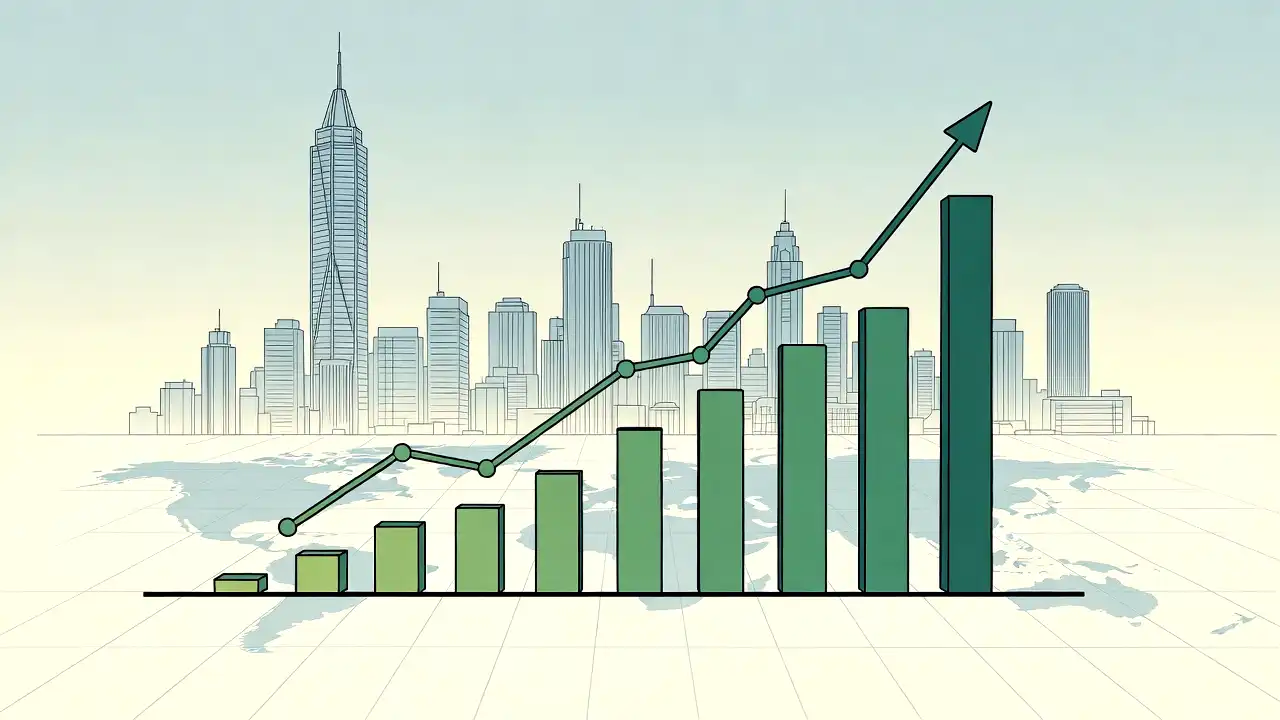
- German industrial production rose by 1.4% in June compared to the previous month, beating consensus market expectations.
- The automotive sector served as the primary growth engine, recording a sharp rebound in manufacturing output.
- Despite the monthly gain, economists note that structural challenges and weak global demand continue to weigh on the broader manufacturing sector.
- Federal statistics indicate that industrial output remains below pre-pandemic peak levels, signaling a slow long-term recovery.
The manufacturing sector in Europe’s largest economy is showing tentative signs of life. Official figures released by the Federal Statistical Office revealed that German industrial output rose by 1.4% in June on a month-on-month seasonally adjusted basis. This positive print outperformed the median economist forecast of a modest 0.4% increase, offering a welcoming glimmer of hope for a country struggling with prolonged economic stagnation.
The main catalyst behind the monthly factory expansion was a robust recovery in the automotive industry. Car manufacturers and component suppliers ramped up assembly lines after facing persistent supply chain bottlenecks and weak order books over previous quarters. Alongside car manufacturing, the machinery and equipment sector also posted decent gains, helping lift the headline industrial production index out of negative territory.
When looking at a broader quarterly picture, industrial production increased by 0.8% during the second quarter compared to the first three months of the year. This sequential improvement suggests that the manufacturing slump bottomed out, though momentum remains fragile. Energy-intensive industries, including chemicals and metallurgy, continue to grapple with elevated electricity costs and fierce international competition, preventing a more aggressive industrial rebound.
Despite the encouraging June data, macroeconomic analysts urge caution before declaring a full-scale industrial renaissance. Structural headwinds—such as high structural labor costs, regulatory burdens, and sluggish economic growth across key export markets—continue to constrain factory output. When compared on an annual basis, industrial production remains subdued, underscoring the deep structural adjustments German manufacturers must navigate.
The central bank and government economists continue monitoring incoming factory orders and business sentiment surveys closely to determine if the June uptick represents a turning point or a temporary statistical bounce. As global trade dynamics evolve and European monetary policy shifts, German industry faces a demanding path toward regaining its historic competitive edge on the global stage.