Key Points:
- Spot gold rose 1.8% to trade above $4,341 per ounce, rebounding from a six-week low following the Federal Reserve’s rate hike.
- A pullback in Brent crude oil toward $98 per barrel eased immediate inflation fears and stabilized energy markets.
- The 10-year United States Treasury yield fell to 4.93% from a multi-year peak of 5.04%, reducing carrying costs for bullion.
- Spot silver surged 3.59% to $65.12 per ounce, supported by industrial demand and a retreat in the US dollar index to 99.60.
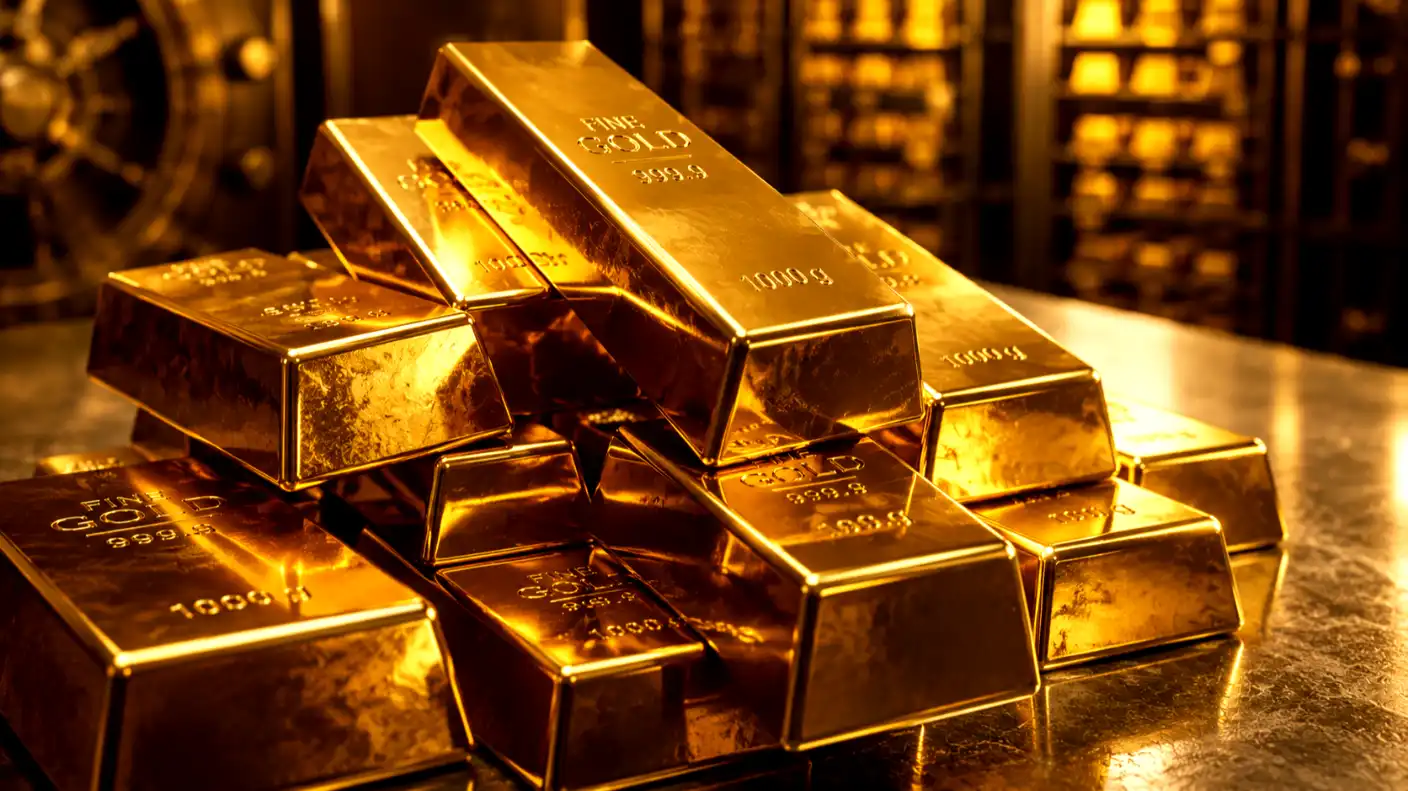
Gold prices rebounded sharply, climbing more than 1.8% to trade above $4,340 per ounce as retreating crude oil benchmarks and easing United States Treasury yields provided relief to precious metals markets. Spot gold rose to $4,341.20 an ounce, recovering from a six-week low of $4,234.65 recorded ahead of the Federal Reserve’s monetary policy decision. The precious metal mounted a strong recovery as international traders concluded that the central bank’s latest interest rate increase had already been fully factored into asset prices.
The bounce in bullion arrived immediately after the Federal Reserve approved its first benchmark interest rate hike in more than three years. In a unanimous 12-0 vote, the Federal Open Market Committee lifted the federal funds target rate by 25 basis points to a range between 3.75% and 4.00%. While higher interest rates traditionally raise the opportunity cost of holding non-yielding physical bullion, the quarter-point increase had been more than 90% priced into futures markets, triggering a swift wave of short-covering once policymakers delivered the expected decision.
A pullback in global energy commodities provided the primary macroeconomic catalyst for the precious metals rebound. International benchmark Brent crude futures retreated from multi-month highs above $107 per barrel toward $98 per barrel after Saudi Arabia arranged alternative export shipments through Oman and immediate military escalation in the Persian Gulf paused. Lower crude oil prices immediately reduced expectations for uncontrolled cost-push inflation, reassuring bond investors and easing upward pressure on sovereign yields.
Sovereign debt markets adjusted quickly to the cooling energy complex, removing a major headwind for precious metals. The yield on the benchmark 10-year United States Treasury note dropped to 4.93%, down from an intraday peak of 5.04% that marked its highest borrowing level since 2007. Lower long-term yields reduced the carrying cost of non-interest-bearing bullion, encouraging institutional asset managers to re-establish long positions in gold and silver.
The retreat in Treasury yields also weakened the United States dollar against major foreign currencies, providing direct currency support for dollar-denominated commodities. The United States dollar index slipped from a multi-week peak of 100.25 to trade near 99.60. A softer greenback makes gold significantly more affordable for overseas buyers holding foreign currencies, stimulating physical bullion demand across key importing hubs in Europe and Asia.
Companion precious metals mirrored gold’s upward momentum with substantial single-day gains. Spot silver prices surged 3.59% to trade at $65.12 per ounce, breaking through key technical resistance levels after testing summer support baselines. Industrial demand for silver remains exceptionally robust, driven by expanding manufacturing of high-efficiency photovoltaic solar panels and advanced electrical contacts for artificial intelligence server infrastructure.
Despite the short-term relief rally, the Federal Reserve’s updated economic projections maintain a restrictive policy framework over the medium term. The central bank’s updated “dot plot” revealed that 16 of 18 voting policymakers anticipate at least one additional rate increase before the end of the year, raising the median projected policy rate to 4.10%. Central bankers signaled that core Personal Consumption Expenditures inflation, which currently hovers near 3.7%, will require sustained policy vigilance before returning to the 2% target.
Broad structural forces continue to drive strong underlying demand for gold beyond short-term interest rate dynamics. The global “debasement trade” gained renewed momentum among institutional investors as United States national public debt surpassed $40 trillion and the Treasury Department expanded its sovereign bond buyback program. Central banks across emerging markets—led by monetary authorities in China, India, Poland, and Singapore—have maintained steady monthly bullion purchases to diversify official foreign exchange reserves away from the dollar.
Technical analysts identify the $4,320 to $4,340 price corridor as a crucial technical pivot zone for gold. A sustained daily close above the 100-day moving average near $4,320 allows bullion to target secondary resistance between $4,370 and $4,400 per ounce. Conversely, if crude oil prices resume their upward climb toward $100 per barrel and push 10-year Treasury yields back above 5%, gold could face another technical test of foundational support near $4,230.
As financial markets navigate central bank policy adjustments in Japan and the United Kingdom alongside ongoing diplomatic negotiations in the Middle East, gold has proven its resilience during a historic monetary tightening cycle. By climbing in the face of higher interest rates, bullion demonstrates that long-term sovereign debt concerns, geopolitical risks, and physical central bank accumulation continue to provide durable support for the world’s premier safe-haven asset.