Key Points:
- The American government’s brief 1973 soybean export embargo panicked Japan, prompting massive Japanese investments in Brazil that permanently broke the American soybean monopoly.
- China currently dominates global rare earth production and refining, frequently using export controls on elements like terbium and dysprosium to exert diplomatic pressure on countries like Japan and the U.S.
- Just like the soybean embargo, weaponizing critical minerals forces importing nations to aggressively invest in alternative mines and processing facilities, accelerating the loss of the monopolist’s market share.
- Backed by multi-billion dollar initiatives, the U.S., Japan, and G7 allies are rapidly building an independent rare earths supply chain, with a target to cap any single nation’s market share at 60% by 2030.
Geopolitical tension often pushes powerful nations to weaponize their monopolies on crucial resources. Today, the global battleground centers on rare earth elements, the vital minerals that power everything from electric vehicle motors to advanced military defense systems. As export restrictions from East Asia tighten, history offers a stark warning about the long-term survival of such monopolies. In June 1973, the American government made a sudden decision that forever changed global trade. Facing soaring domestic inflation, the Nixon administration suddenly banned the export of soybeans. At the time, the North American nation produced about 70% of the global soybean supply, and Japan relied on American farms for more than 90% of its soy needs. That brief embargo, lasting only a few weeks, sent absolute shockwaves through the Japanese food sector and birthed a lasting economic lesson known as the soy shock.
The panic in Tokyo was immediate, as soy is a primary ingredient in traditional staples like tofu, miso, and soy sauce. Instead of quietly accepting their vulnerability, Japanese officials and businesses took decisive action. They began pouring massive amounts of capital into agricultural development in other parts of the world, specifically targeting Brazil’s Cerrado tropical savanna. Before this sudden influx of funding, the region was widely considered unusable for large-scale farming. However, the investment paid off spectacularly over the following decades. By the 1980s and 1990s, Brazilian soybean production exploded. Today, Brazil stands as the absolute king of global soy exports, holding the number one spot and leaving American farmers to compete in a market they once completely dominated. A short-sighted political move designed to solve a temporary domestic issue permanently broke a powerful monopoly.
Now, a similar drama is unfolding in the high-tech sector, with rare earth elements replacing soybeans as the critical resource in question. For the past two decades, a single manufacturing superpower has held a tight grip on these materials, controlling up to 90% of the world’s rare earth refining and processing. This dominance gives the country immense geopolitical leverage, which it has not hesitated to use. When disagreements arise, export permits suddenly dry up. Recently, after a political dispute concerning regional security in East Asia, shipments of critical heavy rare earths like terbium, dysprosium, and yttrium oxide to Japan completely ceased. Customs data showed zero shipments of these crucial magnet ingredients for six consecutive months.
This chokehold is sending tremors through the international technology supply chain. Japanese electronics manufacturers, watchmakers, and automotive giants are increasingly warning investors about the risks of these prolonged supply disruptions. Terbium and dysprosium are irreplaceable for creating the super-strong permanent magnets that keep electric motors running efficiently. Without these minerals, the production of green technology and defense hardware faces severe bottlenecks. However, much like the soy shock of 1973, this aggressive strategy is backfiring on the monopolist by triggering a massive, well-funded counter-response from the rest of the world.
The fundamental flaw of using raw materials as a political cudgel is that it forces buyers to prioritize supply security over cost. Under normal market conditions, companies choose the cheapest supplier, which historically allowed the dominant player to maintain its monopoly through low-cost production. But when a supplier proves unreliable, the economic calculation changes instantly. Governments and multinational corporations gladly pay a premium to build alternative supply chains just to ensure they are never caught empty-handed again. Rare earths mining and refining are complex, but they do not require impossible technology. With enough capital and political will, any nation can establish its own processing facilities.
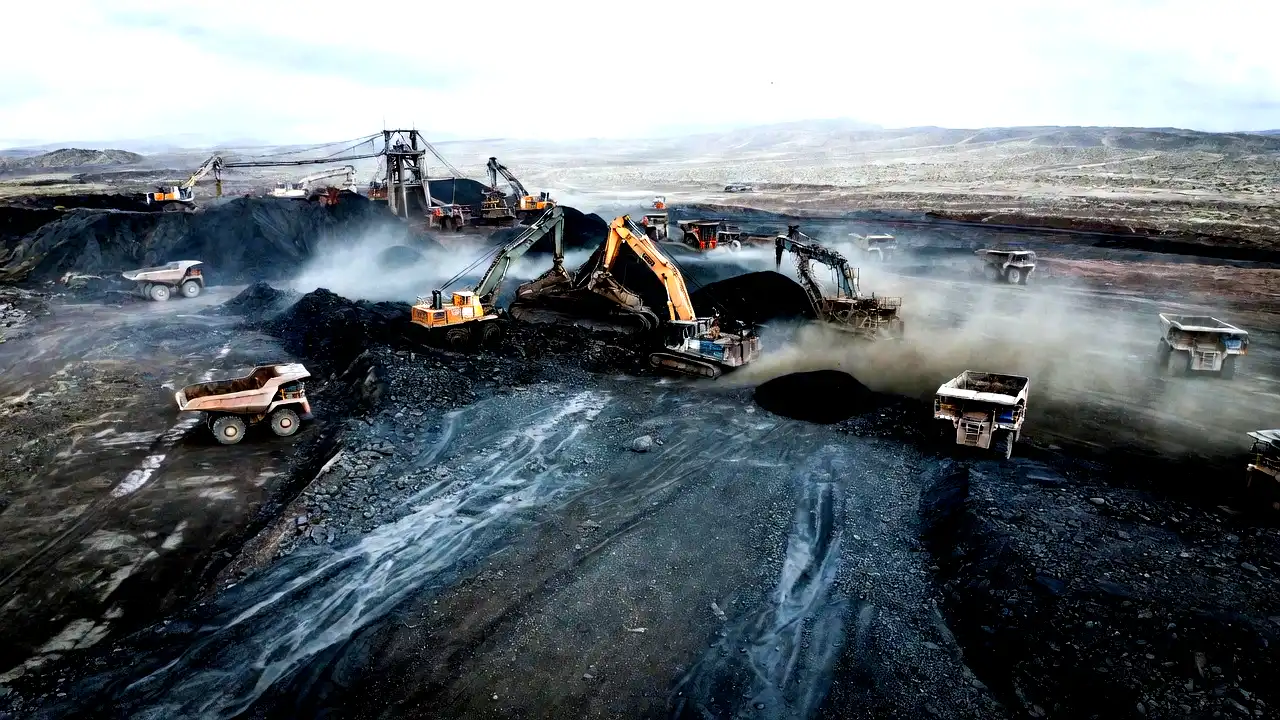
That global redirection of capital is now happening at an unprecedented pace. Governments in the West and Asia are pouring billions of dollars into domestic rare earths infrastructure. In North America, public funding has injected massive amounts of cash to rebuild the mining and refining pipeline. Major mining operators outside of East Asia, such as those in Australia and the United States, are rapidly gaining pricing power. Recently, a major critical minerals transaction valued at $2.8 billion aimed to establish a fully integrated, independent rare earth platform in South America. These massive investments are steadily chipping away at the dominant player’s market share.
The geopolitical consensus to decouple from this monopoly is hardening. Group of Seven leaders recently agreed on a historic target: no single nation should supply more than 60% of their critical rare earths and permanent magnet imports by 2030. They aim to reduce that exposure even further, down to 50% shortly after. To achieve this, the allied nations are setting up joint platforms to coordinate stockpiles, boost recycling programs, and fund new mining ventures across the globe. Experts predict that these combined efforts will successfully reduce the dominant market share from 90% down to 69% by 2030, and likely even lower in the years that follow.
Ultimately, the geopolitical playbook has not changed since 1973. Weaponizing a monopoly might yield short-term diplomatic wins or force temporary concessions, but it guarantees long-term defeat. By forcing the world to diversify, the monopolist inadvertently funds its own competitors. Just as the short-lived soybean embargo birthed Brazil’s agricultural empire, today’s rare earth restrictions are laying the groundwork for a highly diversified, resilient global supply chain. When the dust settles, the nation that tried to lock down the world’s technology inputs will find itself holding a much smaller piece of a much larger pie.