Key Points:
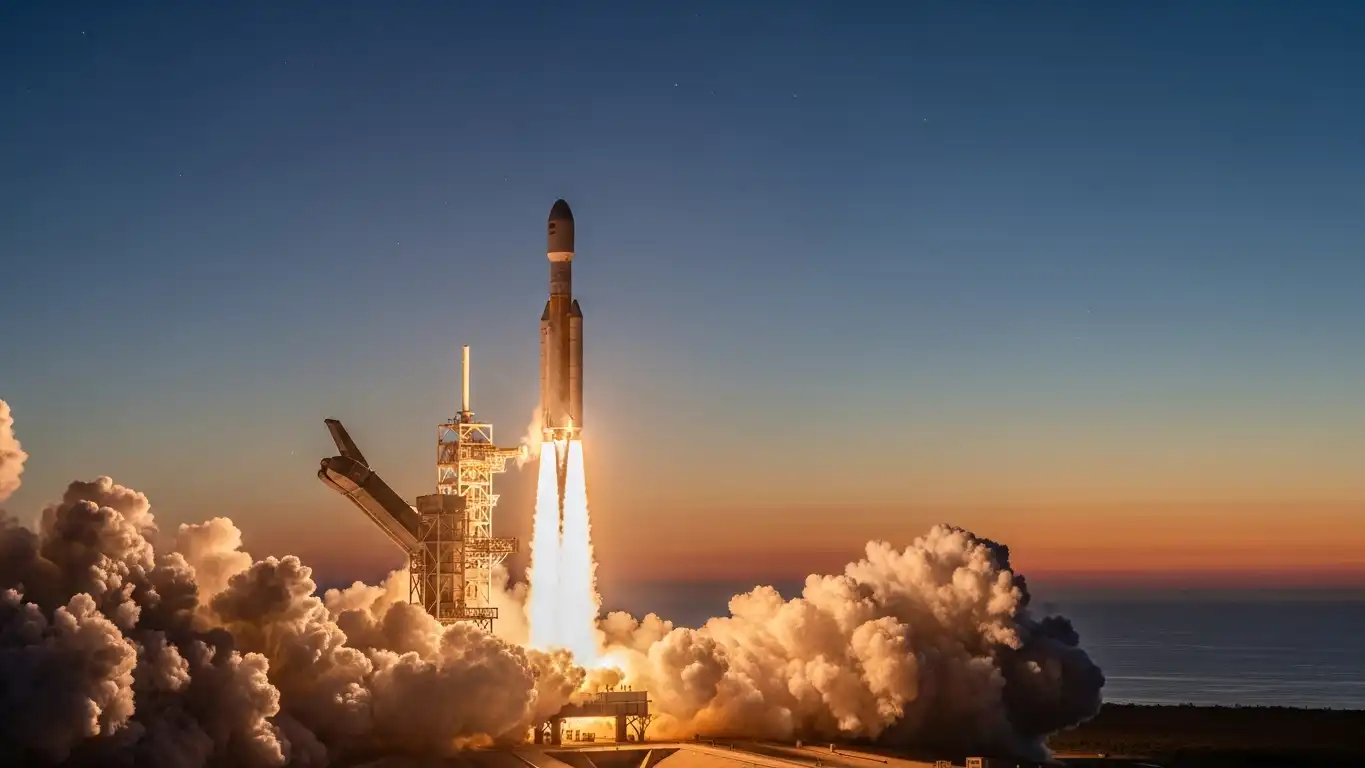
- Japan Aerospace Exploration Agency successfully launched its flagship H3 rocket from the Tanegashima Space Center.
- The heavy-lift launch vehicle carried an advanced Michibiki quasi-zenith positioning satellite into orbit.
- This successful flight marks a major commercial and national security milestone, establishing the H3 rocket as a reliable launch system.
- The new satellite will improve regional GPS precision, reducing location errors down to a fraction of a meter.
The aerospace capabilities of Japan reached a new milestone as the nation successfully launched its flagship H3 rocket. Propelling upward from the Tanegashima Space Center in Kagoshima Prefecture, the heavy-lift vehicle roared into the clear sky, carrying an advanced positioning satellite designed to upgrade national navigation accuracy. This successful mission reinforces the country’s strategic independence in space exploration and commercial satellite deployment.
The payload onboard the rocket was the Michibiki positioning satellite, part of a growing constellation intended to complement standard global positioning systems. Operating from high orbits, these specialized satellites ensure that location tracking remains reliable across urban canyons and mountainous terrain where conventional signals often struggle. The newly deployed hardware will improve commercial positioning precision from meters down to centimeters, benefiting autonomous driving systems, precision agriculture, and disaster management operations.
This successful flight holds immense importance for the nation’s space program following years of development hurdles. The H3 rocket was designed to replace the aging H-IIA vehicle as the workhorse for government and commercial missions. By offering a lower cost per launch combined with high structural reliability, the system aims to capture a competitive share of the international satellite launch market against formidable global rivals.
Engineers and mission control operators monitored every phase of the flight telemetry as the multi-stage rocket separated its boosters and core engines perfectly. The upper stage deployed the satellite into its targeted orbital path exactly as scheduled. Following post-flight data verification, space agency officials confirmed that the vehicle performed with high precision, validating design adjustments made after previous developmental testing anomalies.
With this successful mission in the books, the aerospace agency plans an aggressive launch manifest for upcoming years. Commercial clients and international partners express growing confidence in the vehicle’s structural capacity. As global demand for secure, high-precision orbital navigation networks expands, Japan cements its position as a reliable leader in advanced aerospace engineering and space-based infrastructure.