Key Points:
- LG Energy Solution officially started commercial production at its new 226-acre, $2 billion battery megafactory in Lansing, Michigan.
- At maximum capacity, the facility will produce up to 35 gigawatt-hours of battery cells annually and employ 1,700 workers.
- The plant manufactures nickel-manganese-cobalt cells for the upcoming Toyota Highlander EV and lithium-iron-phosphate cells for energy storage systems.
- The facility also supports a $4.3 billion supply agreement with Tesla to power American-made Megapack 3 energy storage units.
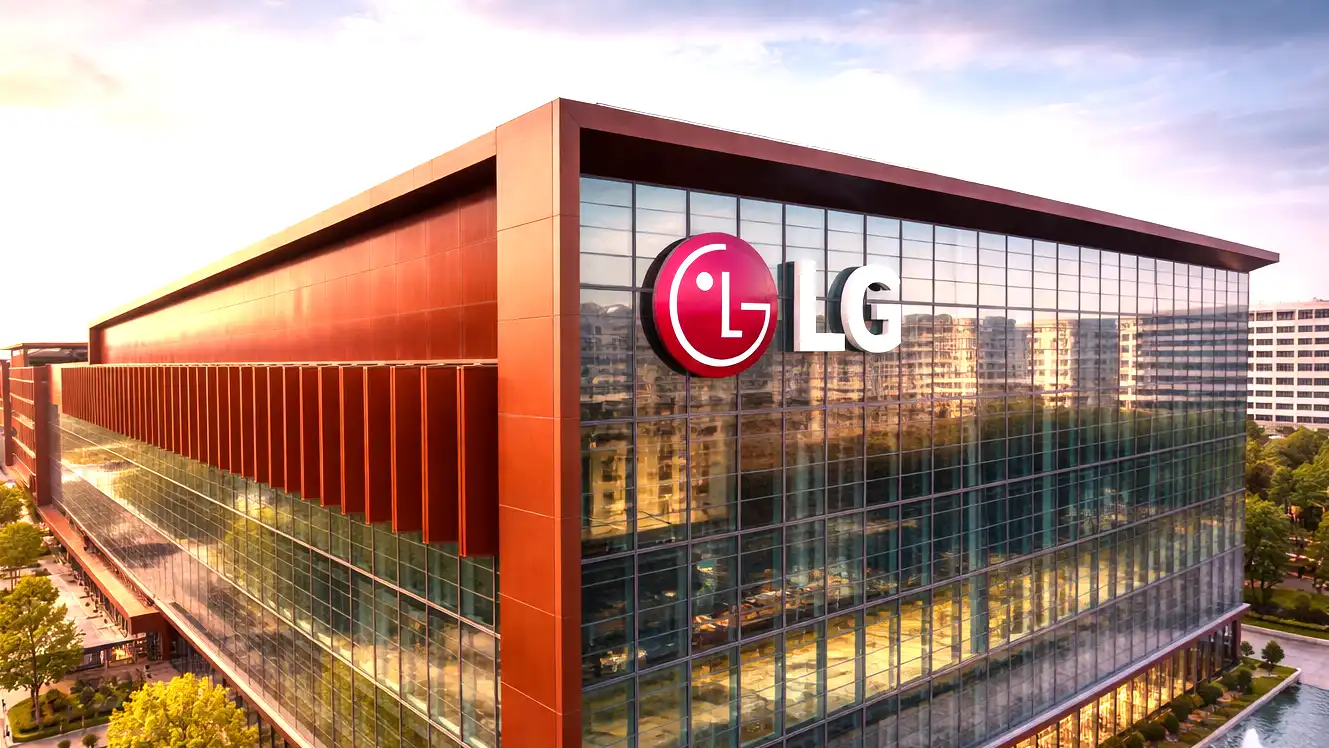
South Korean battery giant LG Energy Solution has officially launched production at its brand-new manufacturing megafacility in Lansing, Michigan. Representing a direct investment exceeding $2 billion, the 226-acre industrial complex marks a major milestone in the expansion of domestic battery manufacturing across the United States. The site serves as a dual-purpose production hub, supplying high-density electric vehicle batteries to automotive titan Toyota Motor while simultaneously delivering grid-scale energy storage cells to major technology and energy clients, including Tesla.
The launch of the Lansing plant significantly expands the company’s manufacturing presence in North America. When running at full commercial capacity, the factory will generate up to 35 gigawatt-hours of battery cells each year, providing enough energy storage to power hundreds of thousands of electric vehicles and large-scale electrical grids. The facility currently employs 900 workers and plans to scale its permanent local workforce to roughly 1,700 employees as additional assembly lines come online.
On the automotive side, the Lansing plant functions as a dedicated production base for advanced nickel-manganese-cobalt battery modules tailored for Toyota. These energy-dense cells will travel directly to Toyota Motor Manufacturing Kentucky in Georgetown, where the automaker plans to assemble the all-electric, three-row 2027 Toyota Highlander EV. Sourcing battery cells from Michigan enables the Japanese automaker to localize its North American supply chain, lower logistics costs, and comply with strict domestic manufacturing rules.
Beyond passenger vehicles, the Lansing megafactory plays a critical role in the fast-growing stationary energy storage market. The plant produces lower-cost lithium-iron-phosphate prismatic battery cells designed specifically for utility, commercial, and industrial power applications. These cells integrate directly into utility storage projects through the company’s energy storage division, supplying regional power providers like Michigan-based DTE Energy with systems capable of stabilizing power grids during peak demand hours.
The facility also supports an extensive commercial partnership with electric vehicle and clean energy leader Tesla. Under a $4.3 billion multi-year supply agreement, the Michigan plant will manufacture American-made lithium-iron-phosphate battery cells to power Tesla’s Megapack 3 commercial energy storage systems assembled in Houston, Texas. Sourcing cells domestically allows Tesla to reduce its dependence on battery imports from China, avoid costly trade tariffs, and safeguard its supply chains against international shipping bottlenecks.
The opening of the Lansing hub underscores a broader strategic pivot across the battery sector. While the adoption rate of passenger electric vehicles has moderated across Western markets, demand for grid-scale energy storage systems has surged dramatically. The explosive construction of artificial intelligence data centers, combined with national power grid modernization programs, requires massive battery installations to prevent blackouts and store renewable energy. Repurposing flexible production lines to serve both vehicles and utility storage ensures steady factory utilization and protects corporate revenue.
The project lifts LG Energy Solution’s cumulative manufacturing investments in Michigan past the $5 billion threshold since 2010. The company operates another standalone battery facility in Holland, Michigan, while managing joint-venture manufacturing plants across Ohio, Tennessee, and Ontario, Canada. Across all North American sites, the battery manufacturer is building out more than 50 gigawatt-hours of regional production capacity, positioning itself as the largest battery maker operating outside mainland China.
Federal and state officials emphasize that establishing localized battery hubs strengthens national energy independence and creates skilled manufacturing careers. By producing both high-performance automotive cells and cost-efficient grid storage units on American soil, the Lansing facility provides automakers and power utilities with a dependable domestic alternative to overseas suppliers. As energy demands climb across transportation and digital computing, the Michigan megafactory establishes a resilient manufacturing anchor for the clean energy economy.