Key Points:
- MinebeaMitsumi is investing 58 billion yen (approximately $360 million) to expand its precision ball bearing production capacity.
- The company plans to construct a new manufacturing facility in Southeast Asia, boosting overall bearing capacity by roughly 30%.
- The expansion addresses surging demand from AI data centers, where massive cooling fans and liquid pumps require highly reliable bearings.
- The investment aims to push the company’s total monthly bearing output past the milestone of 500 million units.
While high-profile semiconductors and processing units dominate discussions around the artificial intelligence boom, the physical infrastructure that keeps these advanced systems running is seeing its own massive capital expansion. Japanese precision components giant MinebeaMitsumi has committed 58 billion yen (approximately $360 million) to significantly boost the production of precision ball bearings. The heavy capital deployment underscores the growing realization that advanced digital software cannot function without a highly reliable physical hardware backbone. By focusing on these tiny but vital components, the manufacturer aims to secure a dominant position in the global supply chain that supports the world’s most demanding data centers.
The multinational manufacturer plans to construct a new dedicated production facility in Southeast Asia to support this expansion. This multi-million-dollar initiative will boost the company’s overall bearing manufacturing capacity by roughly 30%. Once the new assembly lines reach full operational speed, the expansion will push the group’s total monthly bearing output past the milestone of 500 million units. By leveraging its existing industrial presence in countries like Thailand, the firm can scale up operations rapidly while maintaining the strict cost discipline required for mass-market precision manufacturing.
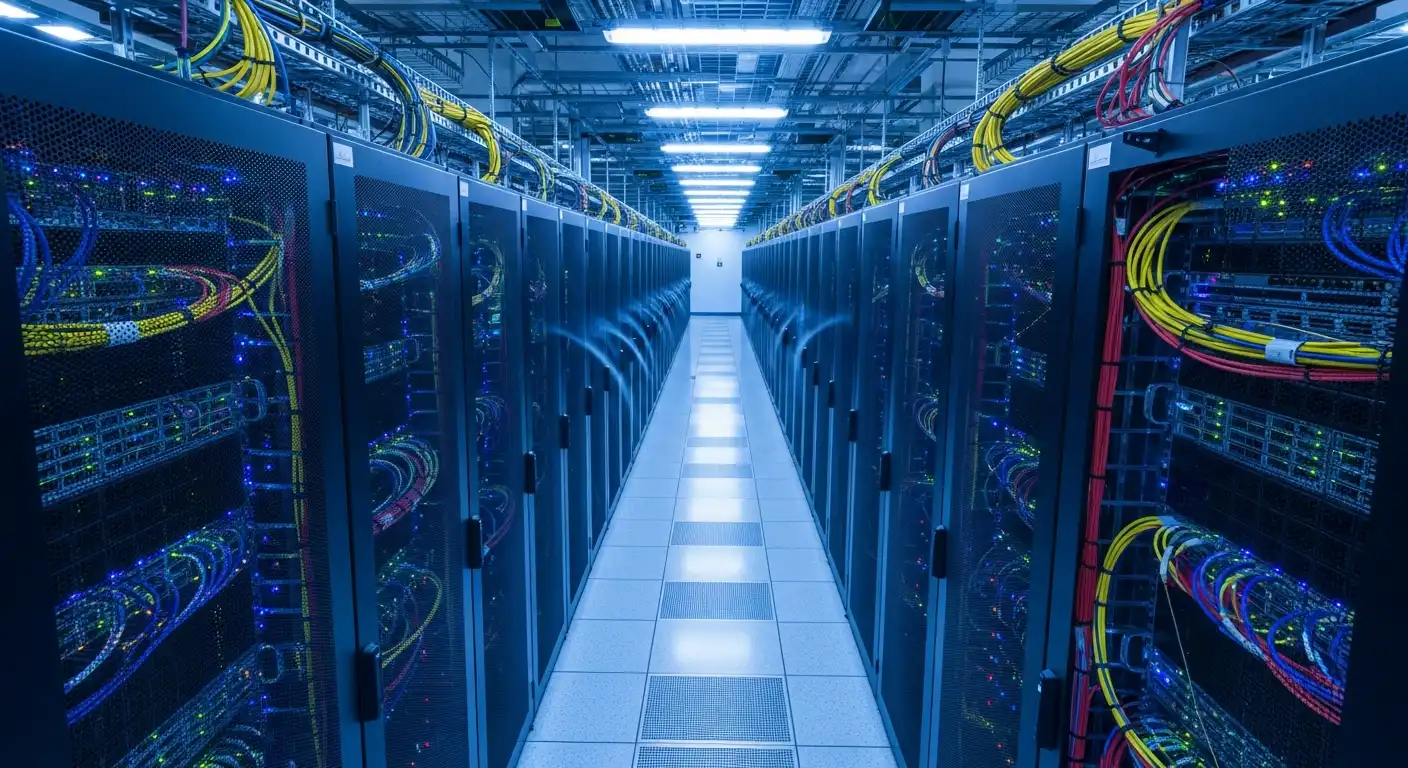
The urgent demand for high-grade bearings stems directly from the intense physical realities of artificial intelligence workloads. Modern servers running advanced graphics processing units and high-bandwidth memory chips generate unprecedented amounts of heat, requiring aggressive, continuous cooling to prevent hardware damage. Standard cooling fans and liquid cooling pumps must run at exceptionally high speeds for thousands of hours without a single mechanical failure. Precision ball bearings are the critical component that reduces friction, dampens destructive vibration, and ensures these cooling mechanisms can operate continuously without triggering costly data center downtime.
In addition to keeping server racks cool, these precision bearings play an equally vital role in modern data storage infrastructure. Processing massive datasets for generative model training requires rapid, continuous data retrieval. High-speed solid-state drives and hard disk drives rely heavily on miniature bearings to maintain rotational accuracy and prevent data read-write errors. As data centers expand their storage capacities to accommodate ballooning digital libraries, the demand for high-reliability bearings continues to climb, creating a highly lucrative secondary market for industrial component manufacturers.
The decision to execute this massive expansion follows exceptionally strong financial performance in the company’s core divisions. For the fiscal year ending March 2026, the manufacturer reported a 10.0% year-on-year increase in net sales to 281.1 billion yen, while operating income surged 11.8% to 62.2 billion yen. Sales of ball bearings remained the primary driver of this growth, supported by consistent, high-volume orders from global data center operators and commercial aircraft manufacturers. This solid revenue stream provides the company with the necessary capital to fund aggressive expansion plans without relying heavily on expensive debt markets.
This capital investment fits cleanly into the manufacturer’s unique corporate strategy, which focuses on dominating eight critical component categories, internally referred to as the “Eight Spears.” This integrated portfolio includes bearings, motors, sensors, semiconductors, power supplies, connectors, high-frequency components, and specialized software. By combining ultra-precision machining expertise with advanced electronic engineering, the company offers complete, system-level solutions to original equipment manufacturers. This integrated approach allows the firm to capture the computational demand of the AI era through thermal management and power systems today, while cultivating next-generation products for robotics and autonomous driving tomorrow.
To guarantee supply continuity to its global client base, the company maintains a highly diversified and resilient manufacturing network. The group operates across 28 countries, running 125 production and research databases alongside 101 sales offices worldwide. Rather than concentrating its manufacturing facilities in a single country, the firm uses a global “local-for-local” production model. This distributed footprint protects its supply chains from geopolitical trade disruptions, localized natural disasters, and regional labor shortages, assuring corporate buyers that they will receive high-volume shipments on schedule even during volatile market cycles.
As global concerns regarding the environmental footprint of digital infrastructure intensify, the company is aligning its manufacturing processes with strict ecological standards. The group’s corporate sustainability roadmap targets raising eco-efficient “Green Products” to 90% of total sales. By engineering low-friction bearings and highly efficient fan motors, the company’s products help global clients avoid an estimated 4.0 million tons of carbon dioxide emissions during product use. Additionally, the firm is working to cut its own total greenhouse gas emissions by 30% through energy-saving upgrades at its major Southeast Asian facilities.
Ultimately, the massive 360-million-dollar investment proves that the sustainable expansion of digital infrastructure depends heavily on basic mechanical precision. While Wall Street and global venture capital funds continue to chase flashy software startups and advanced chip designs, industrial realists recognize that the physical limits of hardware remain the true bottleneck of the digital era. By securing the supply chain for the basic mechanical parts that keep the servers spinning, the Japanese manufacturer has positioned itself to reap steady, long-term profits regardless of which software companies win the artificial intelligence race.